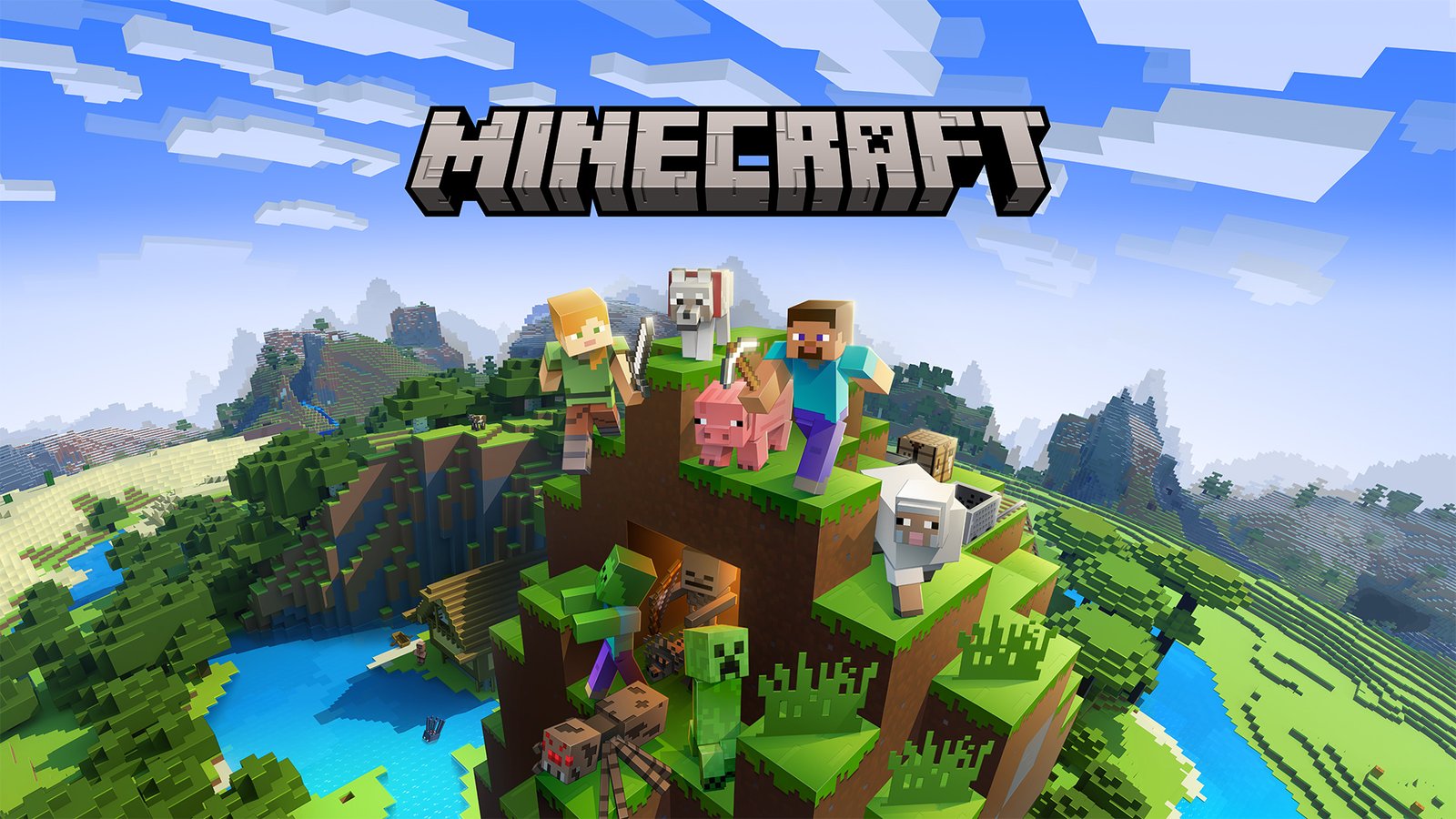
Why Is Minecraft So Popular with Kids?
Minecraft is the world’s best-selling computer game, captivating millions of children around the globe. From building castles to exploring virtual caves, kids seem glued to their screens for hours at a time. Parents often ask: Why is Minecraft so addictive?
The answer is more nuanced than “just a fun game”. Experts suggest it taps into deep psychological drives rooted in human evolution, child development, and even social needs.
Minecraft: A Digital Playground for Young Builders
At its core, Minecraft is a sandbox game. Unlike traditional games with rigid goals, it offers endless freedom to create, explore, and experiment. This open-ended nature is a big reason why children love Minecraft.
Children have always loved building: think of sandcastles, LEGO, or treehouses. Minecraft simply digitises that instinct. Using virtual blocks, kids can construct anything they imagine—from elaborate mansions with hidden rooms to sprawling cities or complex machinery.
Psychologist Peter Gray from Boston College explains:
“It’s not surprising that natural selection endowed young people with a strong drive to play at building things.”
For our species, the ability to build shelters, tools, and communities was vital for survival. Minecraft harnesses this deep-rooted drive in a modern, engaging format.
The Appeal of Creative Freedom
Unlike games with linear paths, Minecraft encourages players to define their own goals. Children can:
- Build intricate structures
- Design machines with Redstone circuits
- Explore vast, procedurally generated worlds
- Collaborate with friends online
This level of creative freedom fosters problem-solving, planning, and imagination—key cognitive skills in child development.
Social Connection in a Virtual World
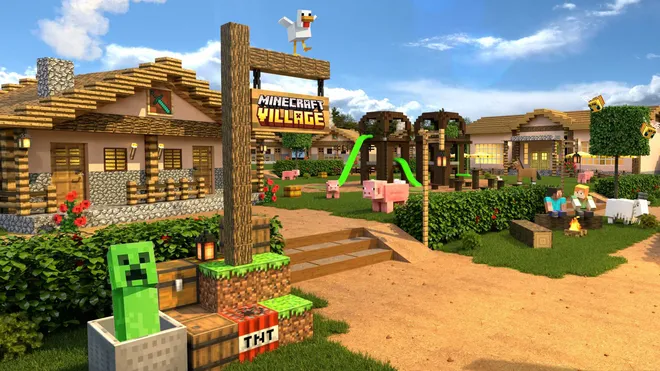
Minecraft isn’t just about solitary play. It offers rich social experiences:
- Multiplayer worlds where kids collaborate or compete
- Online servers that act as virtual hangout spaces
- Private games with friends and family
AJ Minotti, a father of three Minecraft-obsessed children, describes it as:
“Basically just a digital playground… When they can’t meet friends in person, they hang out in Minecraft.”
During times of social restriction (like the COVID-19 pandemic), Minecraft became an essential tool for maintaining friendships and family connections.
The Evolutionary Drive to Play
Psychologists note that all mammals play when young to practice survival skills. Predators practice hunting, prey learn to dodge. For humans, play is even broader. We build, imagine, and use language.
Minecraft’s gameplay mirrors these evolutionary training grounds:
- Creative play: designing buildings and worlds
- Survival play: fighting monsters in Survival Mode
- Social play: negotiating, collaborating, role-playing with others
Peter Gray suggests that kids are naturally drawn to activities that help them develop skills they’ll need in adulthood. In the modern world, that includes digital skills and creative thinking—both fostered in Minecraft.
Personality Expression Through Play
Research by Julian Togelius at New York University has shown that how people play Minecraft reveals their personalities:
- Independent players often ignore the main quest
- Family-oriented players build cosy homes and fortresses
- Curious players explore and experiment more
While these studies focused on adults, the implications for children are clear: Minecraft offers a unique medium for kids to express themselves, often more freely than in real life.
The “Flow” State: Why Kids Lose Track of Time
Ever noticed how hard it is to pull a child away from Minecraft? Part of its hook lies in the psychological concept of flow—a state of deep, rewarding focus.
Players in flow:
- Lose track of time
- Feel challenged but capable
- Experience immersion and satisfaction
Minecraft’s open-ended gameplay, combined with achievable goals and constant feedback, makes it ideal for triggering this state.
This isn’t unique to gaming—it happens in sports, art, and music practice. But Minecraft’s accessibility means many kids can experience it easily.
Educational Benefits of Minecraft
Far from being “just another video game”, Minecraft has been widely adopted as an educational tool:
- Minecraft Education Edition is used in classrooms worldwide.
- Teachers use it to teach language, history, maths, and even foreign languages.
- It encourages problem-solving, reading, writing, and digital literacy.
In Ireland, for instance, teachers have used Minecraft to help students learn Gaelic by building virtual restaurants and naming foods in the language.
Minecraft’s popularity in education underscores its power as a learning tool when used intentionally.
Screen Time Concerns and Safety
Of course, screen time is a worry for many parents. Children can spend hours immersed in Minecraft, sometimes at the cost of sleep, physical play, or other responsibilities.
Experts recommend:
- Balanced playtime: Combine screen activities with outdoor play, sports, and reading.
- Parental oversight: Know what your child is building and who they’re talking to online.
- Privacy and safety: Teach children about stranger danger in online spaces, as there have been documented risks of grooming on platforms including Minecraft.
The NSPCC offers guidance on keeping kids safe while gaming.
Gender Imbalance in Minecraft Play
Interestingly, not all children are equally drawn to Minecraft. A study in Australia found that 54% of boys aged 3–12 played Minecraft, compared to 32% of girls.
Experts suggest this is a reminder for developers and parents to ensure games are welcoming to all children—because digital skills developed through gaming are increasingly important for everyone.Minecraft’s success among children is no accident. It taps into fundamental human drives:
- The urge to build and create
- The need to socialise and collaborate
- The desire to play and learn
When balanced with other activities and approached with care, Minecraft can be far more than a distraction. It can be a playground for creativity, a classroom for problem-solving, and a social space for building friendships in the digital age.