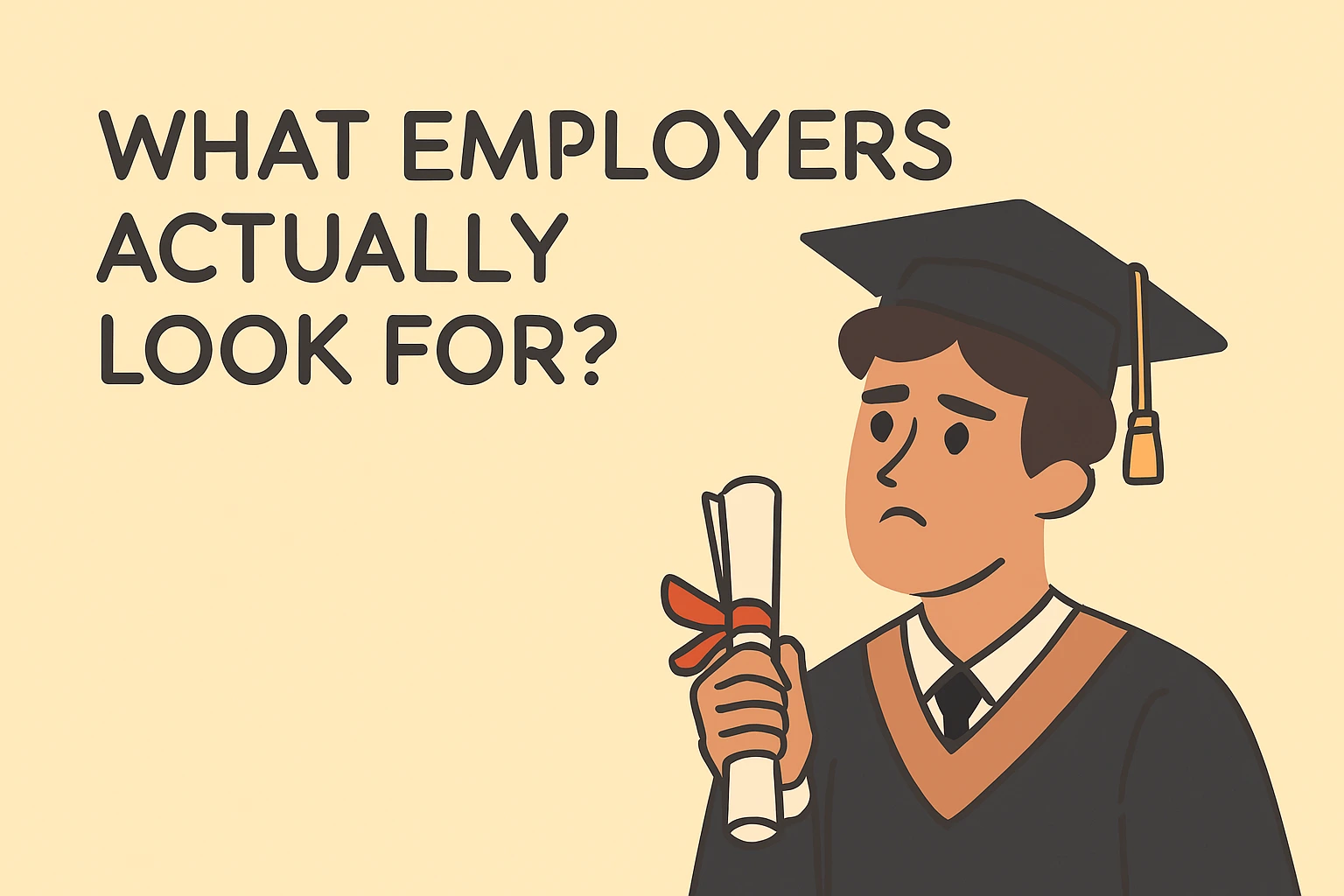
You’ve spent years chasing grades, attending lectures, and submitting assignments. Now graduation is around the corner, and the question hits: what do employers actually want?
Spoiler: It’s not just your degree.
The Shift from Academic to Applied
University teaches you how to think, research, and meet deadlines. But the working world asks for something more: how you show up, how you solve problems, and how you work with people. Employers aren’t just scanning your transcript, they’re looking for signs of initiative, adaptability, and emotional intelligence.
This doesn’t mean your degree is irrelevant. It means it’s the starting point, not the full story.
Emotional Intelligence Over Technical Perfection
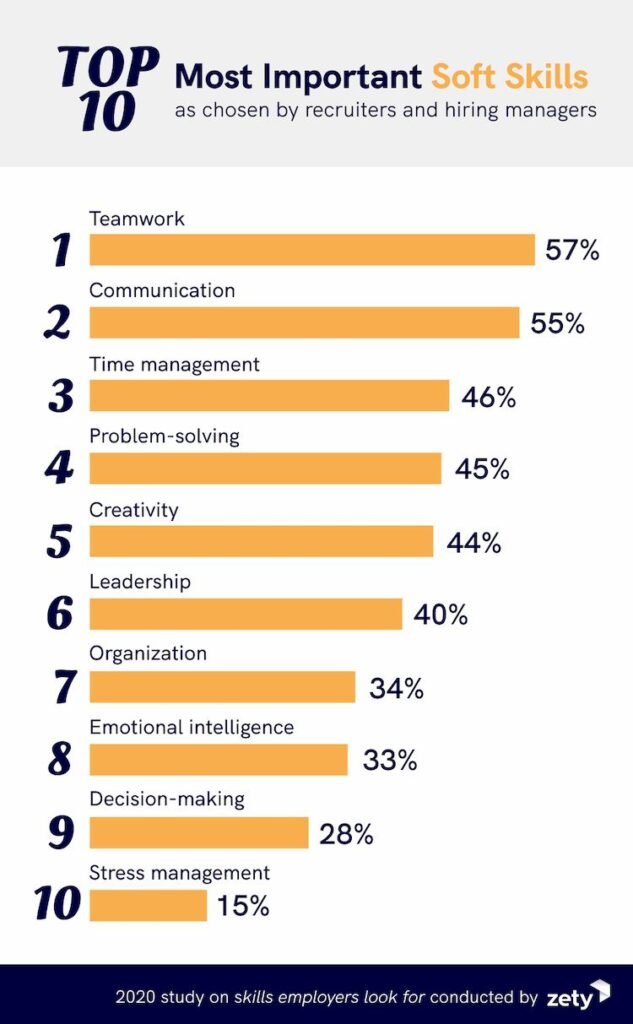
In interviews and team settings, emotional intelligence often matters more than technical brilliance. Can you listen? Can you handle feedback? Can you manage stress without spiraling?
Employers want people who can:
- Work under pressure without burning out
- Communicate clearly across teams
- Handle conflict with maturity
- Adapt when plans change
These aren’t soft skills.. they’re survival skills. And they’re often what separates a good candidate from a great one.
Proof Over Promises
Saying “I’m a good communicator” isn’t enough. You need to show it.
That’s where portfolios, projects, and real-world examples come in. Whether it’s a group assignment, a freelance gig, or a volunteer role, employers want to see how you’ve applied your skills. Not just what you’ve studied, but what you’ve built.
Ask yourself:
- Have I led a team, even informally?
- Have I solved a problem creatively?
- Have I created something that lives outside the classroom?
If yes, document it. If not, start now.
Communication Is Currency
In every field; from law to design to tech, communication is key. Employers look for candidates who can:
- Write clearly (emails, reports, briefs)
- Speak confidently (meetings, pitches, interviews)
- Listen actively (teamwork, client feedback)
This doesn’t mean being loud or extroverted. It means being clear, thoughtful, and responsive. If you can explain your ideas simply and adapt your tone to different audiences, you’re already ahead.
Curiosity Counts
Employers love candidates who ask good questions. Not just “What’s my salary?” but “How does this role contribute to the team?” or “What’s the biggest challenge you’re facing right now?”
Curiosity shows initiative. It signals that you’re not just looking for a job, you’re looking to grow. And in a fast-changing world, growth mindset is everything.
Cultural Fit Isn’t About Conformity
You’ll hear the term “cultural fit” a lot. It doesn’t mean you have to be exactly like everyone else. It means you understand the values, pace, and tone of the workplace and you can contribute to it without friction.
In Sri Lanka, this might mean being respectful of hierarchy while still speaking up. It might mean balancing tradition with innovation. It’s not about losing your identity.. it’s about knowing how to navigate different environments.
What You Can Do Now
If you’re still studying or just graduated, here’s how to start aligning with what employers actually want:
- Audit your skills
Make a list of what you’re good at, and where you need growth. Be honest.
- Start building your portfolio
Collect examples of your work: presentations, designs, writing samples, event plans, anything that shows initiative.
- Practice communication
Write LinkedIn posts. Join student panels. Volunteer to lead a group. Every moment is practice.
- Ask for feedback
From lecturers, peers, mentors. Learn how others see you, and how you can improve.
- Stay curious
Read outside your syllabus. Follow industry pages. Attend webinars. Ask questions.
Final Thought
Your degree is a tool. Employers want to know how you’ll use it.. not just what it says. Show them your mindset, your skills, and your ability to grow. That’s what gets you hired.