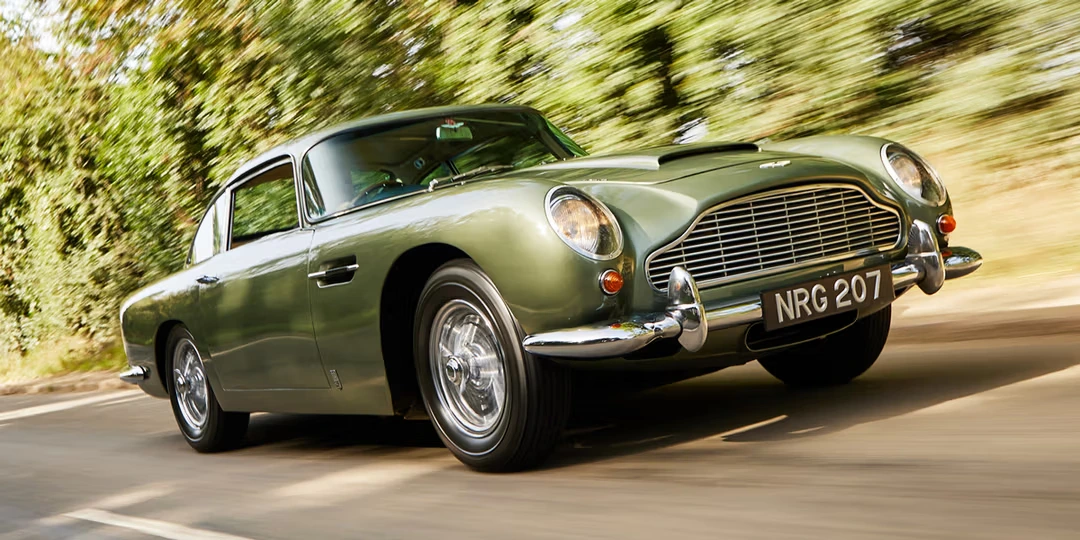
Few cars in automotive history command the universal admiration reserved for the Aston Martin DB5. This elegant British grand tourer, with its sleek lines and thunderous performance, transcends mere transportation to become a symbol of sophistication, power, and adventure. For car enthusiasts, it represents the pinnacle of 1960s craftsmanship from Newport Pagnell. For James Bond fans, it’s the ultimate spy vehicle, immortalized in Silver Birch paint, equipped with ingenious gadgets, and driven by Sean Connery’s suave 007. More than six decades after its debut, the DB5 continues to captivate collectors, appearing at prestigious auctions and evoking dreams of open-road escapades blended with cinematic thrill.
Read Previous Car Enthusiasm of the Editor: The Pristine Low-Mileage Ferrari Enzo: A Collector’s Ultimate Dream
Engineering Brilliance and Timeless Design of Aston Martin DB5
The Aston Martin DB5 emerged in 1963 as a refined evolution of the DB4, incorporating lessons from racing and grand touring heritage. Built during a brief production run ending in 1965, only around 1,023 examples were created, including approximately 900 coupes, 123 convertibles, and a handful of special variants. This limited output, combined with handcrafted quality, ensures its enduring rarity and appeal among discerning collectors.
At its core lies a glorious 4.0-liter inline-six engine, designed by Tadek Marek and featuring twin overhead camshafts with triple SU carburetors. In standard form, it delivers 282 horsepower, propelling the DB5 to a top speed of around 145 mph and accelerating from 0 to 60 mph in about 8 seconds impressive figures for the era. A high-performance Vantage specification, available later, boosted output to 325 horsepower with Weber carburetors and revised cams, shaving precious seconds off acceleration times. Power flows through a ZF five-speed manual gearbox, renowned for its precision, though a three-speed automatic was optional for effortless cruising.
The chassis, a steel platform with independent front suspension and a live rear axle, provides poised handling that balances comfort for long-distance tours with agility on twisting roads. Disc brakes all around ensure confident stopping power. The body, penned by Carrozzeria Touring of Milan using the Superleggera method, lightweight aluminum panels over a tubular frame gives the DB5 its signature graceful proportions: a long hood, short rear deck, and wire wheels that accentuate its athletic stance.
Inside, the cabin exudes luxury with Connolly leather seats, wool carpets, and polished wood accents. Instrumentation is comprehensive yet elegant, featuring chrome-rimmed gauges that evoke a sense of occasion every time you settle behind the wheel. For enthusiasts, driving a DB5 is a sensory experience the deep growl of the straight-six, the mechanical feel of the gears, and the effortless glide at high speeds make it a true driver’s car, blending performance with refinement in a way few contemporaries could match.
The Silver Birch Spy: Bond’s Most Famous Ride
No discussion of the Aston Martin DB5 is complete without celebrating its starring role in the James Bond franchise, beginning with the 1964 classic Goldfinger. Painted in iconic Silver Birch with red leather interior, the film’s DB5 registration BMT 216A, was transformed into Q Branch’s gadget-laden masterpiece. Features like revolving license plates, front-wing machine guns, bumper rams, an ejector seat, oil and smoke dispensers, and tire-slashing hub blades turned it into the ultimate secret agent’s tool.
Two primary cars were used for filming Goldfinger and the follow-up Thunderball, with additional promotional vehicles built featuring functioning gadgets. This cinematic exposure catapulted the DB5 to global fame, forever linking Aston Martin with Bond’s sophisticated persona. The car reappeared in later films, including Thunderball, GoldenEye, Tomorrow Never Dies, Casino Royale, Skyfall, Spectre, and No Time to Die, cementing its status as 007’s signature ride.
Bond enthusiasts revel in the DB5’s on-screen exploits, from high-speed chases through the Swiss Alps to outwitting villains with clever modifications. One of the original gadget-equipped cars sold at auction in 2019 for over $6 million, underscoring its cultural value. Aston Martin later honored this legacy by producing 25 limited-edition Goldfinger Continuation models, complete with replica gadgets (non-functional for road use), each commanding seven-figure prices and selling out instantly to devoted fans.
For both car lovers and Bond aficionados, the DB5 embodies escapism a machine that looks as stunning parked in a garage as it performs on the road or screen. Its blend of British elegance and playful ingenuity captures the spirit of the swinging sixties, making it a perennial favorite at concours events and film memorabilia collections.
In today’s collector market, pristine DB5s routinely fetch seven figures, with exceptional examples approaching or exceeding $2 million depending on provenance and condition. Convertibles and Vantage models command premiums, while those with documented history or subtle nods to Bond heritage attract fierce bidding. Ownership often means careful preservation rather than daily driving, allowing these classics to remain in remarkable condition for future generations.
The Aston Martin DB5 endures not just as a car, but as a cultural touchstone, a perfect fusion of engineering artistry, grand touring capability, and Hollywood glamour. Whether you’re drawn to its mechanical symphony, its poised dynamics on a coastal drive, or the thrill of imagining yourself as Bond evading pursuers, the DB5 delivers unmatched charisma. In an age of electrified supercars, it reminds us of the pure joy found in a naturally aspirated engine, timeless design, and a dash of secret agent fantasy.
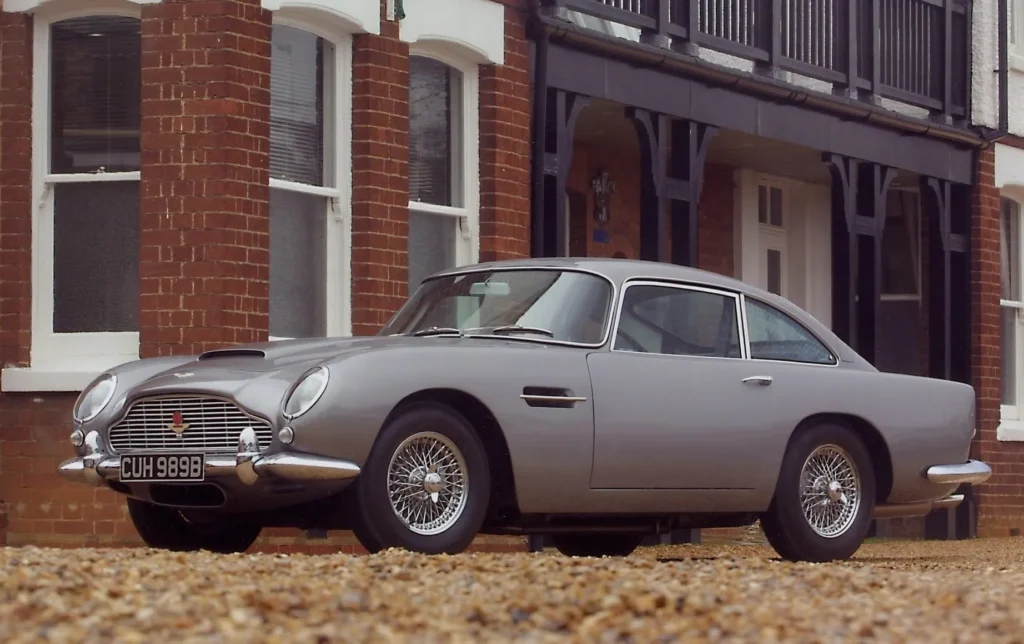
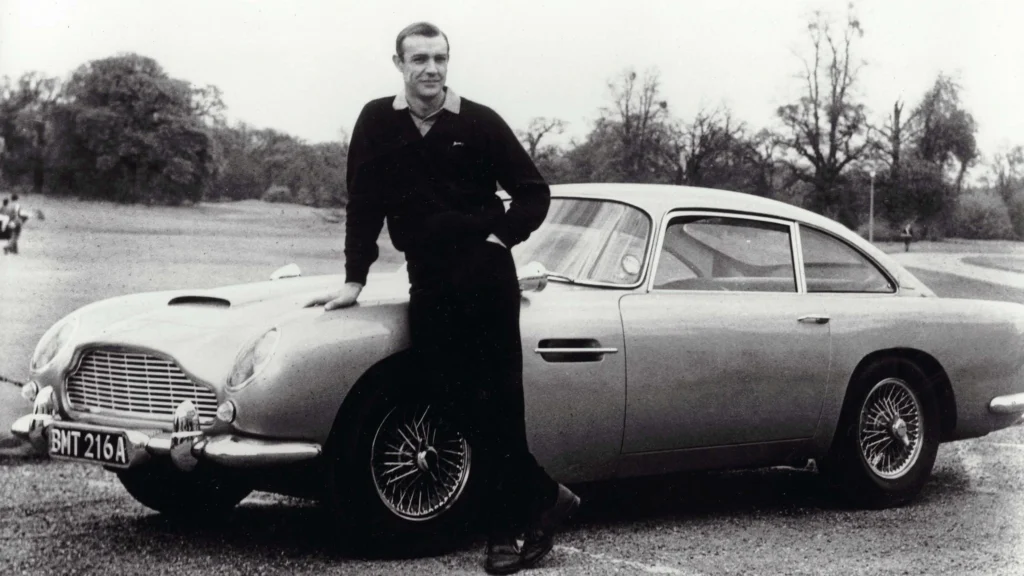
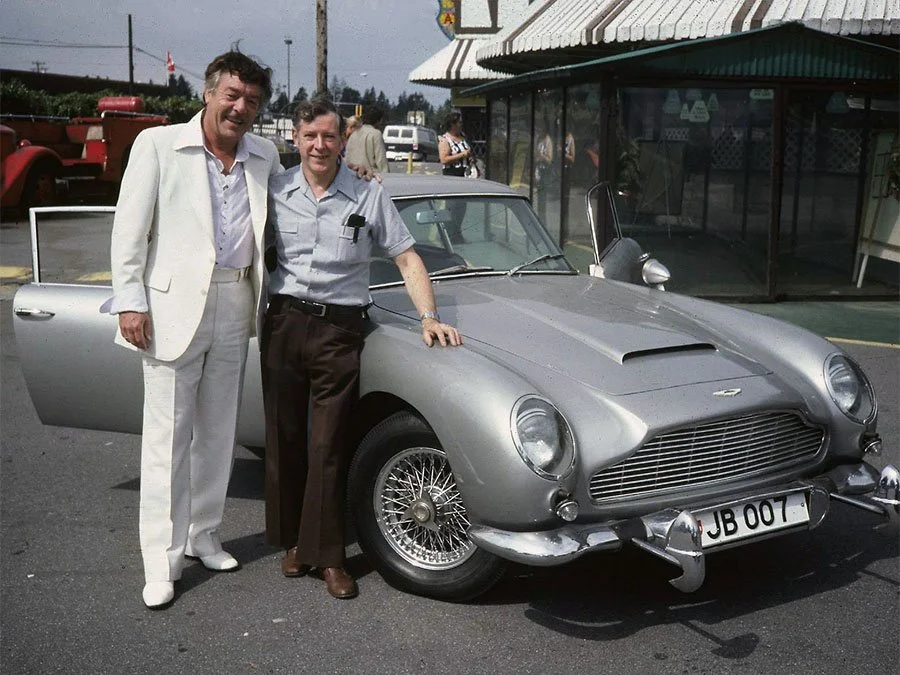
Image Source: Aston Martin
Read the Nostalgia Car Enthusiasm in this blog: Car Enthusiast