As we enter another week in 2026, it’s time for a fresh three-part series designed with Gen Z in mind, following last week’s focus on mental health management. This time, we’re tackling career and job advice essential for turning personal plans and emotional resilience into professional success. Over the next three days, we’ll cover navigating searches and applications, mastering interviews and networking, and crafting long-term fulfillment and balance. Drawing from my own experiences in the gig economy, freelance ups and downs, and that pivotal first “real” job, these steps are about authenticity in a world of AI-driven hiring and shifting industries.
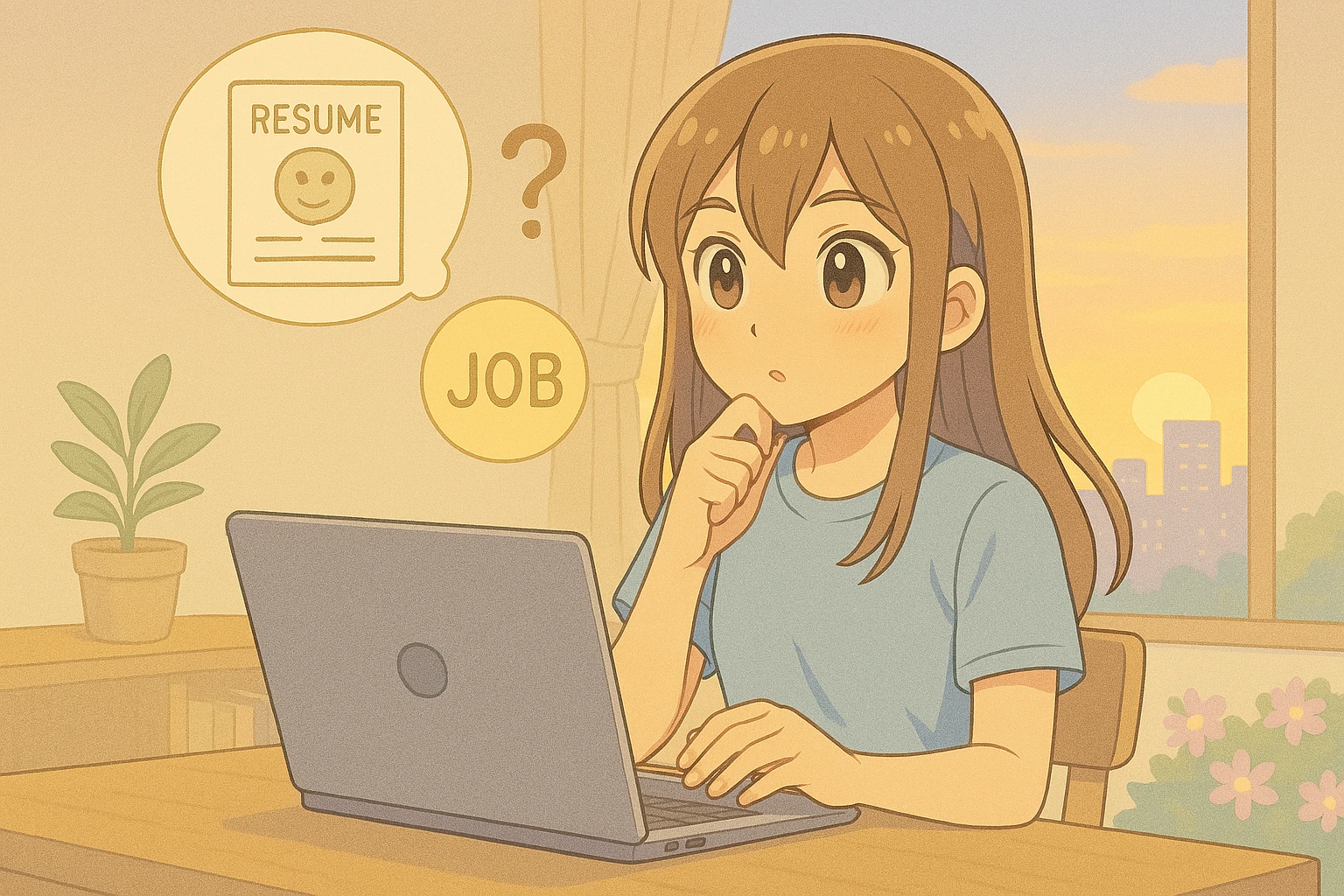
The job market in 2026 feels both exciting and intimidating remote roles abound, but competition is fierce with automation reshaping entry-level positions. I’ve been there: scrolling through listings late at night, wondering if my resume even gets seen. The key is starting smart: Understand what you want. Reflect on your skills, passions, and values from previous planning. Are you drawn to creative fields like content creation, or stable paths in tech or sustainability? This clarity guides your search.
Gen Z often asks, “How do I find jobs that match my vibe without endless scrolling?”
Use targeted platforms: LinkedIn for networking, Indeed for quick applies, Handshake for entry-level, or niche sites like Behance for creatives. Tailor searches with keywords like “remote junior marketing” or “sustainable business intern.” Set alerts to stay proactive without overwhelm.
Applications are where many falter. Customize your resume keep it one page, highlight achievements with metrics (Example – “Grew social media following by 30%”). I’ve learned the hard way: Generic resumes get lost. Use AI tools ethically for formatting, but infuse your voice. Cover letters? Make them personal tell a story of why this role excites you, linking your experiences to the company’s needs.
Standing out means showcasing soft skills like adaptability and emotional intelligence, prized in 2026’s hybrid world. Build a portfolio if applicable GitHub for coders, personal sites for writers. Address gaps honestly; employers value growth mindsets.
A common concern: “What if I lack experience?” Entry-level roles exist, focus on transferable skills from school, volunteering, or side projects. Freelance platforms like Upwork build your resume organically.
This sets the foundation. Tomorrow in Part 2, we’ll explore interviews and networking turning applications into opportunities. Join me to level up your approach.
Read the previous series in this blog: Learn & Improve