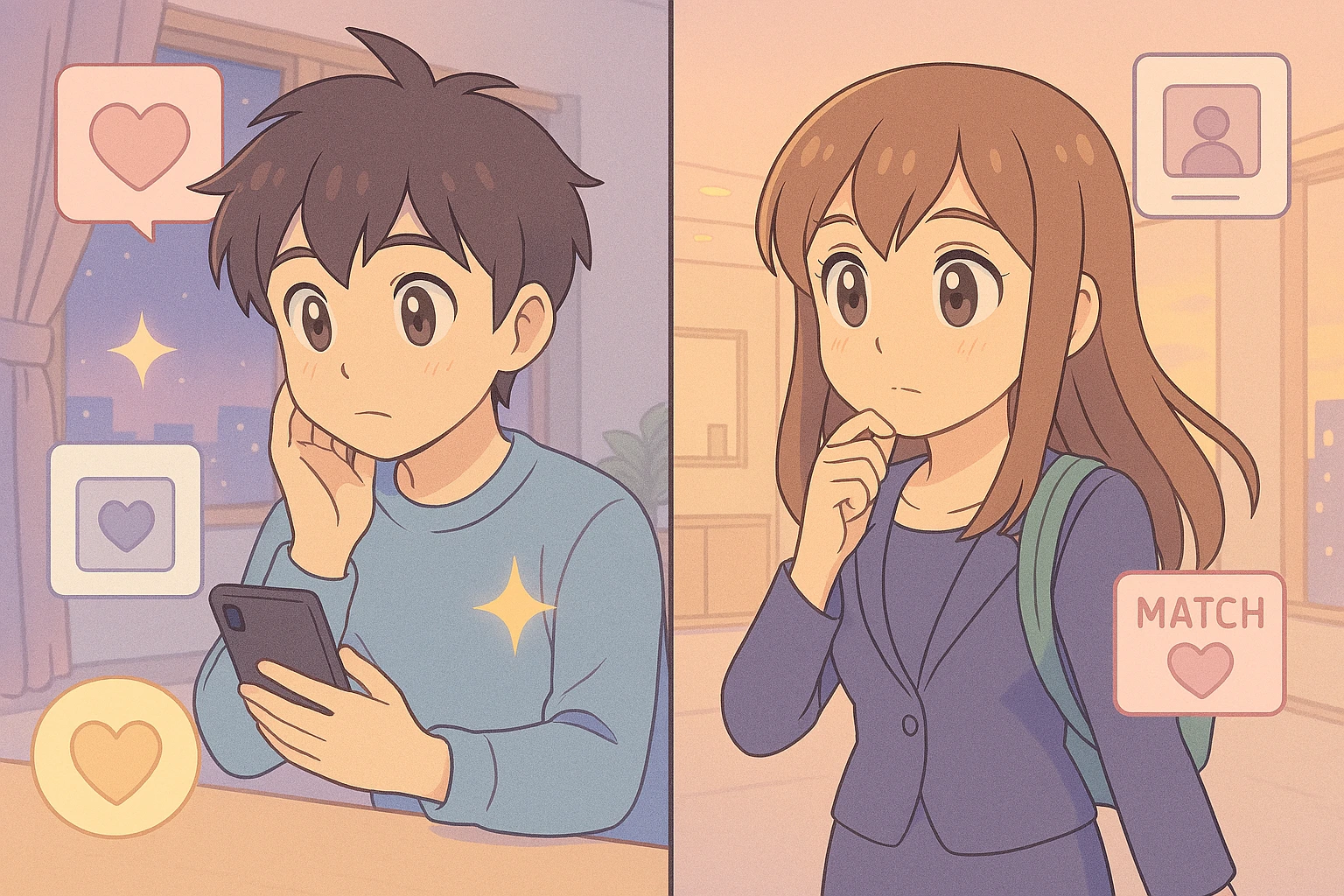
We’re kicking off a new three-part series this week, focused on relationships and dating for Gen Z in 2026 a topic that resonates deeply with many young people navigating love in a digital-first era. Following last week’s career advice, this series explores common experiences with apps, identifying flags, and building genuine bonds. Over the next three days, we’ll break down practical insights drawn from widespread patterns among peers, without the pressure of “perfect” stories. If you’ve ever felt confused by the endless options or ghosting culture, this is for you aiming to make dating less overwhelming and more intentional.
Dating apps dominate how young people meet today Tinder, Bumble, Hinge, and newer ones like Thursday or Feeld shape connections for millions. In 2026, with AI features suggesting matches and virtual dates common, apps promise efficiency but often deliver mixed results. Many Gen Z users report fatigue from superficial swiping, yet apps remain the primary way to expand social circles beyond school or work.
A frequent question is “How do I use dating apps without losing hope?”
Start with clarity: Define what you’re seeking casual fun, serious partnership, or just practice. Apps cater differently: Bumble empowers women to message first, Hinge prompts deeper responses. Create profiles that reflect you authentically, photos showing hobbies, prompts answering honestly. Avoid over-editing; genuineness attracts matches who vibe with the real you.
Common challenges include mismatched expectations or burnout. Young people often face “paradox of choice” too many options leading to indecision. Set limits: Swipe 20-30 minutes daily, unmatch inactive chats weekly. Engage meaningfully move to calls or meets sooner if sparks fly. But the AI era makes everything worse! Be careful dearest humans!
Safety matters immensely. Verify profiles, share locations with friends, meet publicly first. Apps have improved reporting, but trust instincts.
Many wonder “Are apps worth it?” For countless young people, yes.. they facilitate meetings otherwise impossible. But balance with real-life interactions: Events, mutual friends, hobbies. Because of course again technology at the peak era!
This foundation sets us up. Tomorrow in Part 2, we’ll cover spotting red and green flags essential for protecting your energy. Join me to navigate smarter. 😌
Read the previous series in this blog: Learn & Improve