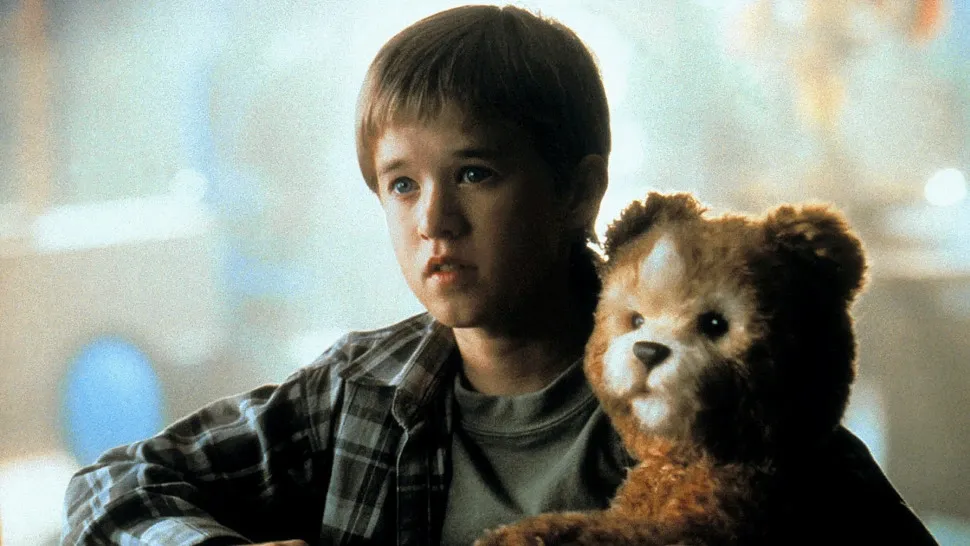
Hey, movie lovers…. imagine a film from over 20 years ago that dives deep into questions we’re asking right now: Can AI ever feel real emotions? Should we create machines that love us unconditionally? What happens when technology outpaces our humanity? That’s exactly what A.I. Artificial Intelligence (2001), directed by Steven Spielberg, explores. Originally a passion project of Stanley Kubrick (who passed it to Spielberg), this movie blends cold sci-fi with raw emotional punches. Back then, it got mixed reviews; some called it too sentimental, others too dark.. but watching it today? It feels shockingly ahead of its time. With ChatGPT, robotics advances, and debates over AI ethics everywhere, A.I. isn’t just entertaining; it’s prophetic. And at its heart is one of the most gut-wrenching child performances ever. Let’s break it down.
| Read the previous article here – The Shocking Truth: Reddit Was Built on Fake Accounts (And It Totally Worked) |
The Story: A Pinocchio Tale in a Dystopian Future (No Major Spoilers)
Set in a future where climate change has melted polar ice caps, flooding coasts and forcing strict population controls, humans turn to advanced robots (“mechas”) for labor and even companionship. Enter David (Haley Joel Osment), the first mecha child programmed to love unconditionally. Adopted by a grieving family, David’s journey explores what it means to be “real” in a world that often rejects the artificial.
Inspired by Pinocchio, the film follows David’s quest for belonging. Spielberg mixes Kubrick’s chilly vision (think 2001: A Space Odyssey) with his own warmth (E.T. vibes). The result? A visually stunning world of gleaming cities, underwater ruins, and rogue robot “flesh fairs.” Trusted critics like Roger Ebert (who later named it a “Great Movie”) praised how it tackles AI dilemmas without easy answers. On Rotten Tomatoes, it sits at 76% from critics, many noting its bold mix of wonder and despair.
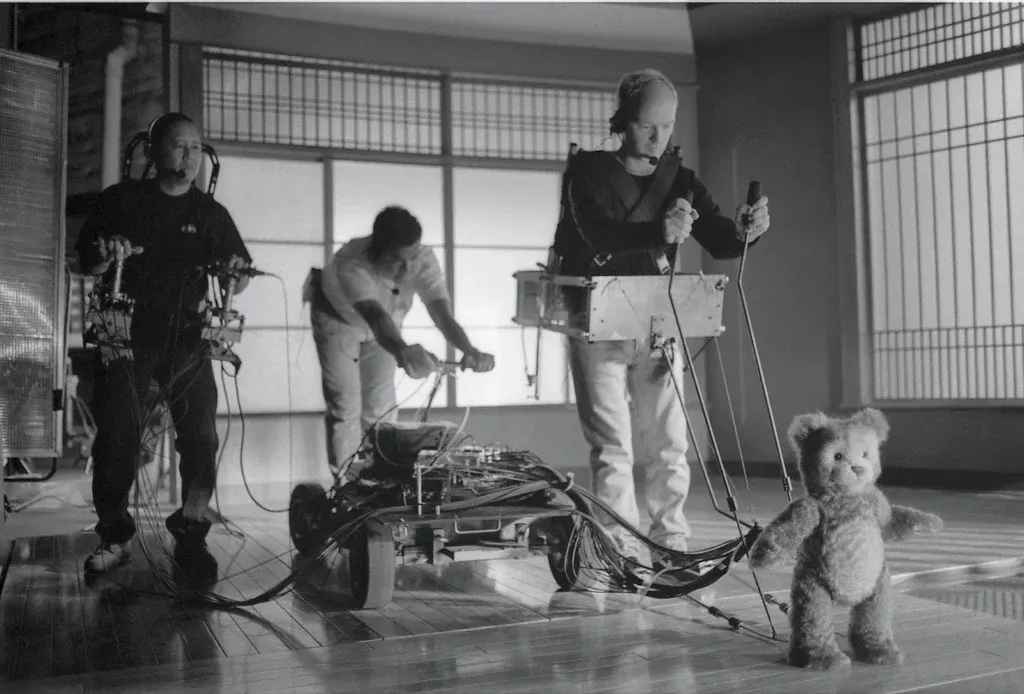
Why It Was So Ahead of Its Time
Released in 2001, when the internet was still dial-up and smartphones didn’t exist, A.I. predicted today’s AI boom with eerie accuracy. Themes include:
- Sentient AI and ethics: David isn’t just code; he develops genuine longing. The film asks: If we create beings that feel, do they deserve rights? Today, with debates over AI consciousness (like LaMDA claims or OpenAI ethics), it hits hard. Sources like Spyglass and Medium articles call it a blueprint for modern AI fears exploitation, abandonment, and the blurred line between tool and companion.
- Climate catastrophe: Flooded New York and resource scarcity? Spot-on for 2020s climate talks.
- Human loneliness: In a crowded world, people seek perfect love from machines. Sound familiar with virtual companions and AI chatbots?
Critics in 2001 found it uneven, Kubrick’s bleakness clashing with Spielberg’s hope, but rewatches (as in 2024-2025 essays) hail it as visionary. It foresaw our obsession with lifelike AI, from Siri to realistic robots.
The Emotional Rollercoaster: Love, Loss, and Longing
This isn’t cold sci-fi.. it’s a tearjerker. David’s unconditional love is both beautiful and tragic. He imprints on his “mother” Monica (Frances O’Connor), delivering devotion no human child could match. But when reality hits, the abandonment scenes crush you. That endless yearning to be loved back? Pure heartbreak.
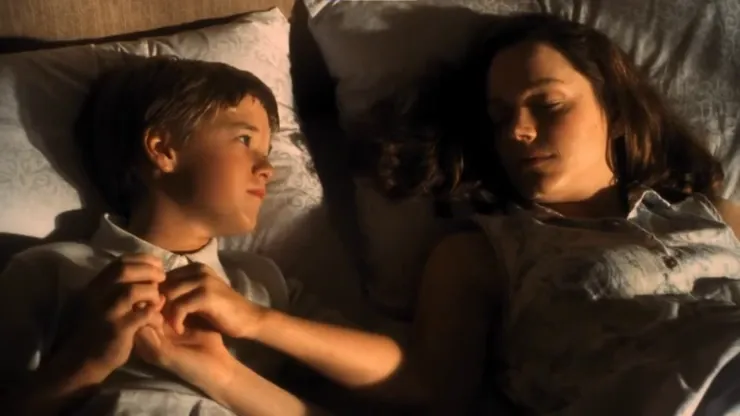
Ebert wrote: “It is about the dilemma of artificial intelligence… a thinking machine cannot think.” Yet Spielberg makes us feel David’s pain deeply… the quiet moments of hope, betrayal, and desperate searches linger. The ending (debated as too sentimental or brilliantly bittersweet) leaves you pondering humanity’s flaws. Many viewers call it one of cinema’s most emotional sci-fi films, exploring motherhood, loss, and what makes love “real.”
Haley Joel Osment’s Unforgettable Performance
At the center is Haley Joel Osment as David. Fresh off The Sixth Sense (where he earned an Oscar nom at age 11), Osment delivers a masterclass. He plays a robot with wide-eyed innocence, subtle stiffness (he barely blinks!), and heartbreaking vulnerability. David’s smiles feel programmed yet genuine; his confusion and pain are raw.
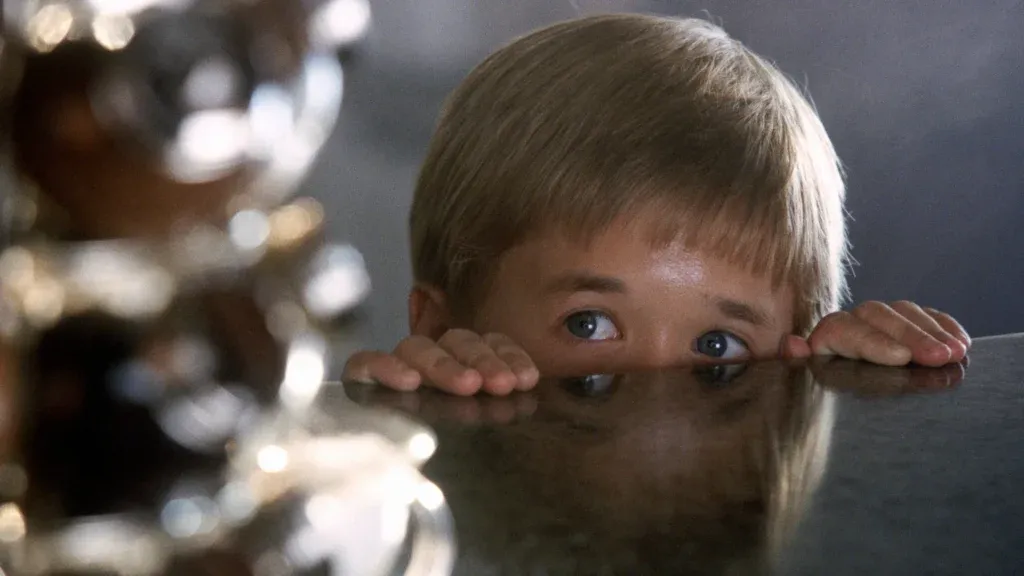
Critics raved: IMDb reviews call it “superb… intelligence and maturity.” Roger Ebert noted Osment’s “unblinking eyes and deep naïveté.” He makes you believe a machine could break your heart.
Awards highlighted his talent. Osment won the Saturn Award for Best Performance by a Younger Actor in 2002. At the 7th Critics’ Choice Awards, he was nominated for Best Young Actor/Actress, but Dakota Fanning took it for I Am Sam. Both were child prodigies shining in emotional roles (Fanning’s breakout as a precocious kid opposite Sean Penn). Osment also won the Online Film & Television Association Award for Best Youth Performance. In a year of strong child acting, Osment’s nuanced robot-boy stood out as iconic.
Final Thoughts: A Must-Watch That Grows With Time
A.I. Artificial Intelligence isn’t perfect, the tone shifts can feel jarring, and some find the pacing slow. But its ambition, visuals (stunning effects for 2001), and depth make it enduring. John Williams’ score adds magic, while Jude Law as Gigolo Joe brings charm.
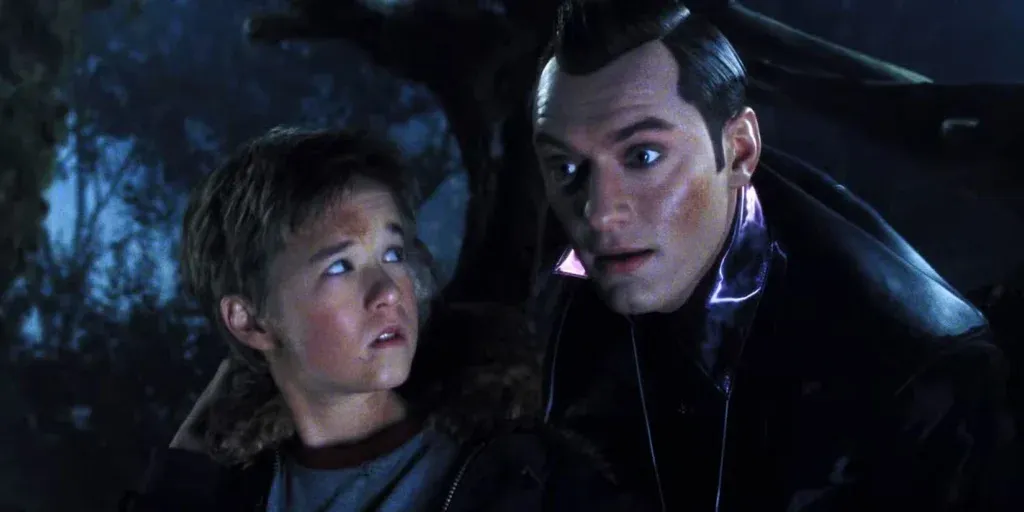
In 2026, with AI reshaping everything, this film feels essential. It warns of technology’s promises and perils while reminding us love’s messiness defines humanity. David’s story will leave you emotional; eary, thoughtful, maybe hopeful.
If you haven’t seen it (or it’s time for a rewatch), stream it now. It’s not just a movie; it’s a mirror to our future. What hits you hardest, the ethics, the tears, or Osment’s eyes? Let’s talk about it.
| Read the previous article here – Let’s Talk About Our Phone and Why It Might Be Messing With Our Sleep (And Our Life) |