

In today’s rapidly evolving job market, artificial intelligence (AI) and automation are no longer just buzzwords—they are changing the way we work, live, and approach our careers. From streamlining tasks to creating entirely new job roles, AI and automation are shaping the future of work in ways we never imagined. But what does this mean for your career? Will AI take over your job, or will it create new opportunities?
What is AI and Automation?
To understand how AI and automation are redefining careers, let’s start with the basics. AI refers to machines and systems that can perform tasks that typically require human intelligence, such as decision-making, speech recognition, and problem-solving. Automation, on the other hand, is the use of technology to perform repetitive tasks without human intervention.
Both of these technologies are becoming increasingly important across various industries, from healthcare to finance, manufacturing, and even education.
AI and Automation in the Workplace
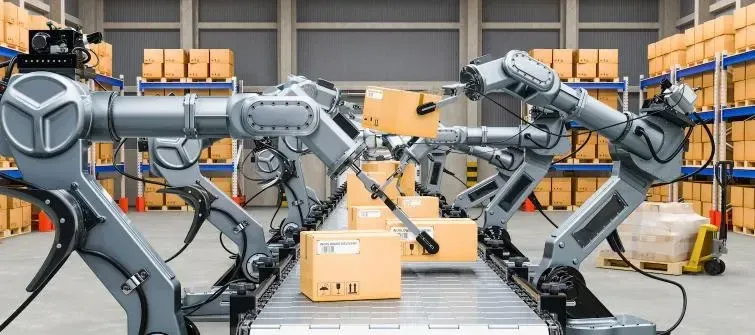
AI and automation are not just about robots taking over factory jobs. They are transforming roles in almost every industry. For instance, AI-powered chatbots now handle customer service inquiries, while automated data analysis tools help businesses make smarter decisions faster. In healthcare, AI is used to analyze patient data for better diagnosis and treatment plans.
The key takeaway here is that AI and automation aren’t just replacing jobs—they are changing the nature of work. Instead of focusing on repetitive, manual tasks, professionals can now concentrate on more strategic, creative, and complex aspects of their jobs.
The Jobs Most Affected by AI and Automation
While many jobs will benefit from AI and automation, some roles are more likely to be automated than others. Jobs that involve repetitive tasks, such as data entry, manufacturing, and even certain customer service positions, are most at risk. However, it’s important to note that this doesn’t mean a complete elimination of jobs. Instead, there will be a shift in the types of skills needed.
For example, roles in technology, data science, and AI development are expected to grow as businesses adopt more advanced systems. Similarly, jobs that require emotional intelligence, critical thinking, and creativity—skills that AI struggles to replicate—will continue to be in demand.
How AI is Creating New Job Opportunities
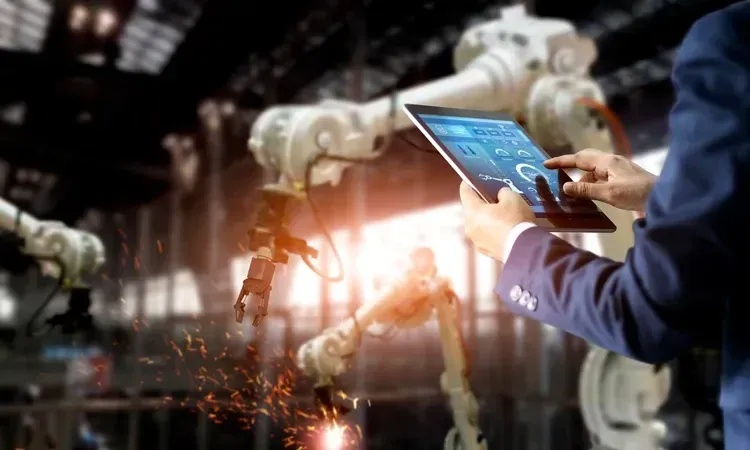
Despite concerns about job loss, AI and automation are creating new opportunities. As companies integrate AI into their processes, they need skilled workers to develop, manage, and maintain these systems. This has led to a rise in demand for professionals in fields like data science, machine learning, and AI ethics.
Moreover, industries like healthcare and finance are seeing the creation of new roles that never existed before. For instance, AI specialists in hospitals help doctors diagnose diseases more accurately, while automation experts in financial institutions streamline complex processes like loan approvals.
The Skills You Need for the Future
As AI and automation continue to shape the future of work, there is a growing need for upskilling and reskilling. Employees will need to adapt to the changing landscape by learning new technologies and developing soft skills that AI can’t easily replicate.
Here are a few key skills to focus on for the future:
- Technical Skills: Understanding AI, machine learning, and data analytics will be crucial in many fields. Even if you’re not a tech expert, gaining basic knowledge of how these systems work can be a big advantage.
- Creativity: AI can handle data, but it can’t think outside the box. Creative problem-solving and innovation will remain essential for professionals in all industries.
- Emotional Intelligence: While machines can process information, they lack empathy and human connection. Developing strong interpersonal skills will help you stand out in roles that require client or team interaction.
- Critical Thinking: As AI automates routine tasks, the ability to analyze complex situations and make informed decisions will become more valuable.
How to Prepare for the Future of Work
The future of work is not about competing with machines; it’s about collaborating with them. Here are a few ways to prepare:
- Stay Informed: Keep up with the latest developments in AI and automation to understand how they might affect your industry.
- Embrace Lifelong Learning: The job market is evolving rapidly, and continuous learning will be essential to staying competitive. Consider taking online courses or attending workshops to enhance your skills.
- Be Adaptable: Flexibility is key. As industries change, you may need to switch roles or even careers. Embracing change and being open to new opportunities will help you thrive in the AI-driven future.
Conclusion
AI and automation are not just reshaping the workplace—they are redefining careers. While some jobs may disappear, new ones will emerge, and the nature of work will continue to evolve. The best way to stay ahead is to adapt, learn, and develop the skills that AI cannot replace. By understanding the opportunities and challenges posed by these technologies, you can position yourself for success in the future of work.
By focusing on adaptability, creativity, and technical skills, you’ll be well-prepared for the AI-driven landscape that lies ahead.