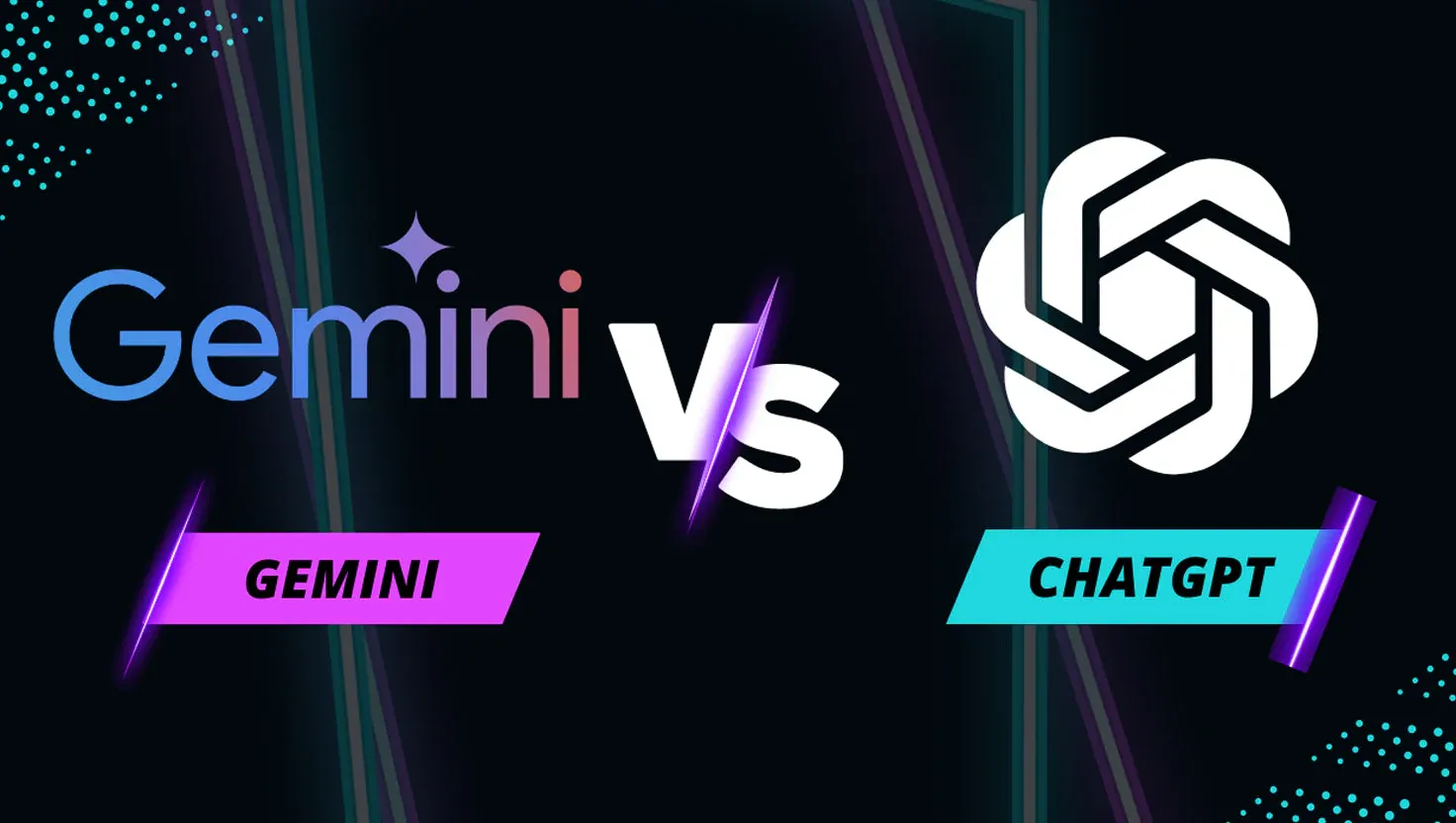
Hey, Gen Z squad, imagine scrolling through your feed, brainstorming that killer TikTok script, or debugging code for your side hustle app, and suddenly your go-to AI buddy isn’t just helpful… it’s revolutionary. That’s the vibe right now in the wild world of artificial intelligence, where Google’s Gemini 3 is charging hard like it’s training for the AI Olympics, while OpenAI’s ChatGPT is sprinting to keep its gold medal. If you’ve been low-key obsessed with how these tools are reshaping everything from memes to majors, buckle up.
We’re diving deep into the latest drama: skyrocketing app downloads, internal “code red” panics, and why this battle could flip your digital life upside down. Spoiler: It’s not just tech nerd stuff, it’s about who controls the future of creativity, work, and yeah, even your next viral post.
The Download Race: Gemini’s Meteoric Rise
Let’s start with the numbers that have everyone buzzing. According to fresh Financial Times data analyzed by Sensor Tower, Gemini’s app downloads surged to more million in November 2025, from 67.8 million in October, nearly matching ChatGPT’s download figures for the first time. While ChatGPT still maintains its lead in overall active users, the gap is closing fast, and that’s got the tech world paying attention.
Here’s the growth trajectory that’s turning heads: Back in January 2025, Gemini was barely registering on the charts, hovering under 20 million downloads. By April, something shifted, the growth curve started climbing aggressively, hitting 40-50 million as Google invested billions into multimodal capabilities (think text, images, and video all working together seamlessly). Fast-forward to the summer and fall, and Gemini’s momentum became undeniable, consistently showing month-over-month gains that suggest serious user adoption.
This isn’t happening in isolation either. The broader AI landscape is diversifying, with players like Perplexity (that search-AI hybrid) maintaining a steady 20-30 million user base, and China’s DeepSeek quietly building momentum since its September 2025 debut. The download graph tells a story of competition heating up across the board.. but Gemini’s trajectory is the steepest climb we’ve seen from any challenger to ChatGPT’s dominance.
Also in Explained | Is Gemini 3 the AI That Finally Outsmarts Us All? Google’s Bold Leap into the Future of Intelligence
What’s Fueling Gemini 3’s Momentum?
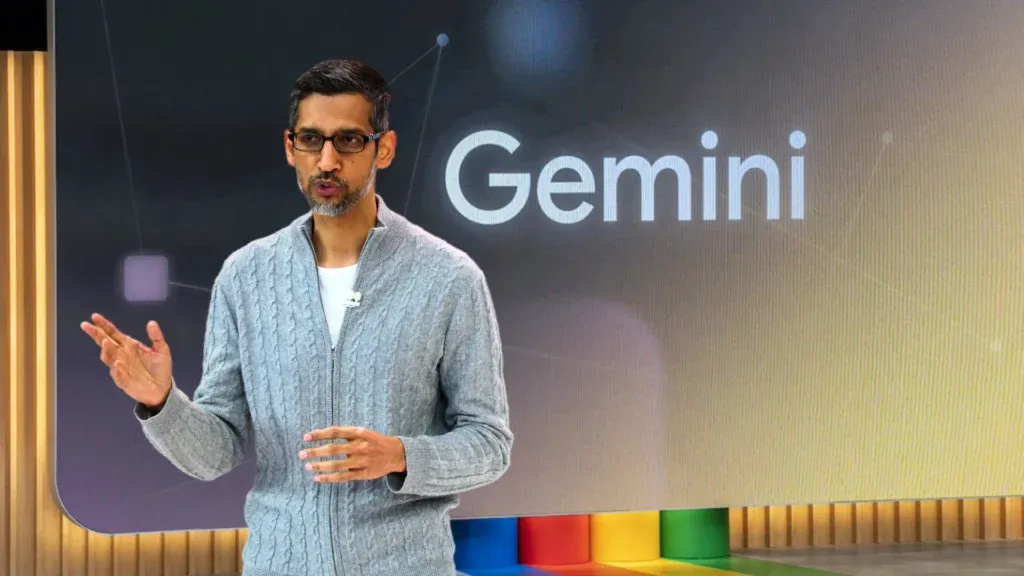
This surge isn’t random; it’s powered by Gemini 3’s November 2025 launch, which Google positioned as a major leap forward in reasoning, coding capabilities, and versatility across topics ranging from quantum physics to creative content generation. Alphabet CEO Sundar Pichai made waves on November 18, announcing that the Gemini app now serves over 650 million monthly users, a staggering figure that demonstrates real mainstream adoption beyond just tech enthusiasts.
The enterprise side tells an equally compelling story: Over 70% of Google’s cloud customers are now integrating AI tools into their workflows, with 13 million developers building applications on the platform. For Gen Z creators and entrepreneurs, this translates to accessible, powerful tools. Need to generate a hyper-realistic mood board for your sustainable fashion line? Gemini 3’s multimodal capabilities, analyzing images, videos, and text simultaneously, function like having a creative collaborator who understands your vision across different mediums.
OpenAI’s Response: The “Code Red” Reality
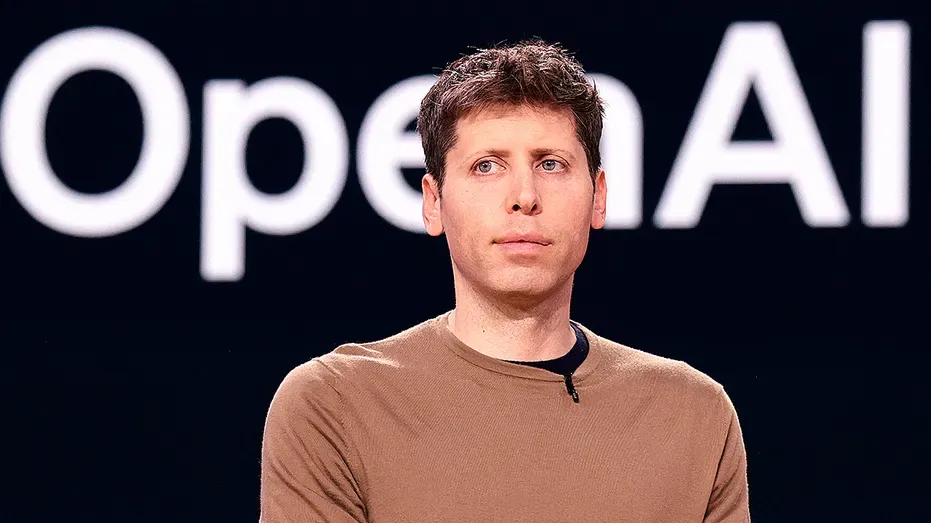
But OpenAI isn’t conceding the crown without a fight. ChatGPT continues to lead in active monthly users, with CEO Sam Altman announcing over 800 million weekly active users in October 2025 via X (formerly Twitter). However, reports from The Wall Street Journal and The Information reveal a more urgent reality behind the scenes: Altman issued a “code red” directive to his team, pausing non-essential projects to concentrate resources on accelerating ChatGPT’s development.
Here’s where it gets interesting: Immediately after Gemini 3’s launch, Altman posted on X: “Congrats to Google on Gemini 3! Looks like a great model” a tweet that garnered 53,000 likes and 6.8 million views. On the surface, it’s gracious and professional. But paired with internal memos urging teams to “improve to keep pace with rivals,” the contrast is striking. It’s classic professional diplomacy: publicly supportive while privately mobilizing for an intense competitive response.
GPT-5.2: OpenAI’s Counter-Offensive
Enter GPT-5.2, OpenAI’s strategic response potentially launching as early as December 9, 2025 less than a month after GPT-5.1’s release. The previous iteration introduced notable improvements: more thoughtful responses, deeper conversational context, and customizable “personality” modes like ‘Quirky’ to better match user preferences. OpenAI’s blog described it as “more enjoyable to talk to and adaptive to your preferences,” and users noticed the experience felt more natural, more human.
But with Gemini 3 applying pressure, Altman is accelerating the timeline for GPT-5.2. Internal testing reportedly shows significant improvements over previous versions, with OpenAI claiming advantages in certain benchmarks over Google’s offerings. It’s a high-stakes sprint where release cycles are compressing and innovation is happening at breakneck speed.
According to HSBC analyst Adrian Cox, we’re witnessing the emergence of two parallel AI ecosystems: customizable open-source solutions (exemplified by Europe’s Mistral or China’s DeepSeek, which claims performance parity with leading models) versus these proprietary giants locked in direct competition.
What This Means for Young Creators and Developers
This isn’t abstract corporate competition, it’s reshaping the tools that power your creative and professional work. Gemini 3’s advanced coding capabilities could accelerate your indie game development project, transforming buggy prototypes into polished products faster than ever. ChatGPT’s personality customization? Perfect for crafting authentic social media content that resonates with your audience and lands brand collaborations.
However, there’s a financial reality to consider: Google is investing up to $93 billion in AI infrastructure this year alone. These massive expenditures raise questions about long-term accessibility will these tools remain affordable, or will premium features shift behind increasingly expensive paywalls? The competitive pressure from challengers like Anthropic’s Claude or emerging international models could help keep innovation accessible, but it’s not guaranteed.
The opportunity here is real: AI tools that don’t just offer generic responses, but that can be tuned to understand Gen Z communication styles, ethical considerations, and specific creative needs. Whether you’re building an app, creating content, or exploring new career paths, these platforms are becoming essential infrastructure.
Breaking Down the Download Data
Looking closer at that Financial Times chart, Gemini’s growth pattern reveals strategic timing. The hockey-stick trajectory from mid-2025 coincides with deeper integration into Android devices and Pixel launches, giving Google distribution advantages ChatGPT can’t easily replicate. Perplexity’s consistent 20-30 million user base shows there’s room for specialized AI tools focused on search and information retrieval, while DeepSeek’s quiet growth since September 2025 indicates international markets are developing their own competitive offerings.
For creators, this diversification matters: instead of relying on a single AI platform, you can strategically use different tools for different tasks, mixing and matching capabilities like building the perfect tech stack.
The Broader Competitive Landscape
OpenAI’s “code red” response reveals real vulnerability in their market position. This isn’t theatrical, it’s Altman applying startup urgency to defend market share. While GPT-5.1 offered incremental improvements, GPT-5.2 represents a more ambitious attempt to reestablish clear technical leadership. Altman’s public congratulations to Google? Smart relationship management in a relatively small tech ecosystem but the internal mobilization tells the authentic story of competitive pressure.
Looking toward 2026, we’re likely approaching an inflection point where AI transitions from novelty to essential infrastructure in creative and professional workflows. Google’s hardware advantages their custom TPU (Tensor Processing Unit) chips processing massive datasets position them well for sustained competition, but OpenAI’s established user base and developer ecosystem remain formidable assets.
Don’t overlook the emerging challengers either: Mistral’s open-source approach democratizes access to powerful AI, enabling customization for niche applications like augmented reality filters or climate modeling simulations. The ecosystem is fragmenting between major platforms offering polished, comprehensive solutions and nimble competitors providing specialized, customizable tools.
The Bottom Line
The 2025 AI landscape is characterized by intense competition, rapid innovation, and genuinely impressive technological advances from multiple players. As download numbers fluctuate and models evolve weekly, the real winner might be the users more options, better tools, and capabilities that continue expanding what’s possible in creative and professional contexts.
Whether you’re team ChatGPT for its conversational refinement or gravitating toward Gemini’s multimodal capabilities, this competition is driving both platforms to improve faster than they would in isolation. And that benefits everyone building, creating, and innovating with these tools.
So what’s your take? Are you experimenting with multiple AI platforms, or have you committed to one ecosystem? Share your perspectives with us, share this if it gave you insights into the AI landscape, and follow YoungThare for more analysis on technology shaping Gen Z’s creative and professional futures.
Also in Explained | Alexandr Wang: From MIT Dropout to Meta’s $14 Billion AI Visionary – The Story That Will Inspire Your Journey