
Google is making a bold return to the smart glasses market with an ambitious plan to launch AI-powered eyewear in 2026. After learning from past missteps, the tech giant is betting that advanced artificial intelligence and strategic partnerships will finally make smart glasses a mainstream success.
What Are Google’s New AI Glasses?
Google’s upcoming smart glasses represent a significant evolution in wearable technology. Unlike previous attempts, these glasses will be deeply integrated with Gemini, Google’s most advanced AI assistant, offering users seamless access to information without pulling out their phones.
The company plans to launch two distinct versions to cater to different user needs:
- Audio-Only Glasses: These will look like regular eyewear but include built-in speakers and microphones. Users can ask Gemini questions, make calls, listen to music, and receive notifications, all through discreet audio. Think of them as AirPods integrated into your glasses frame.
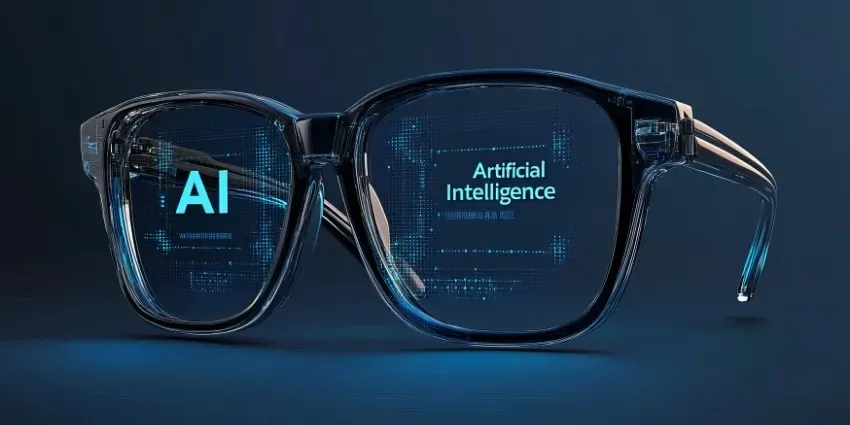
- Display-Equipped Glasses: The premium version will feature in-lens displays that overlay digital information onto your real-world view. This augmented reality approach will show navigation directions, real-time translations, contextual information about your surroundings, and other helpful data directly in your field of vision.
Why Google Is Trying Again
If you remember Google Glass from the early 2010s, you might be skeptical. The original product faced privacy concerns, limited functionality, and an awkward social stigma that made it difficult to wear in public. So why is Google confident this time will be different?
Sergey Brin, Google’s co-founder, recently addressed this question directly. He explained that the original Google Glass failed primarily due to two factors: artificial intelligence wasn’t advanced enough to deliver meaningful value, and supply chain challenges made production difficult.
Today’s landscape is dramatically different. AI technology has matured exponentially, with language models like Gemini capable of understanding context, holding conversations, and providing genuinely useful real-time assistance. Manufacturing capabilities have also improved significantly, making it feasible to produce smart glasses at scale.

The Technology Behind the Glasses
Google’s new smart glasses will run on Android XR, the company’s specialized operating system designed for extended reality devices. Android XR provides a unified platform for both headsets and smart glasses, ensuring smooth performance and seamless integration with Google’s ecosystem of services.
The Gemini AI integration is the real game-changer. Users will be able to:
- Ask questions and get instant answers without touching a device
- Receive real-time translations during conversations with people speaking different languages
- Get turn-by-turn navigation directions displayed directly in their line of sight
- Access contextual information about restaurants, landmarks, or products they’re looking at
- Control smart home devices, send messages, and manage calendars hands-free
This level of AI capability simply wasn’t possible when Google first attempted smart glasses over a decade ago.
Strategic Partnerships Make the Difference
Google isn’t going it alone this time. The company has formed partnerships with several key players to ensure these glasses appeal to mainstream consumers:
- Samsung: The electronics giant brings manufacturing expertise and supply chain reliability, addressing one of the critical issues that plagued the original Google Glass.
- Gentle Monster: This premium eyewear brand from South Korea will help design fashion-forward frames that people actually want to wear. Smart glasses have historically struggled with aesthetics, but partnering with a respected fashion brand signals Google’s commitment to style.
- Warby Parker: Google invested $150 million in this popular American eyewear company earlier in 2025. Warby Parker’s understanding of the mass-market eyewear consumer will be invaluable in creating products that fit real people’s needs and budgets.
These partnerships suggest Google has learned that technology alone isn’t enough smart glasses must also be fashionable, comfortable, and accessible to succeed.
Also in Explained | Is Google’s Gemini 3 About to Dethrone ChatGPT? The AI Arms Race Heats Up in 2025
The Competitive Landscape
Google isn’t the only company betting big on AI-powered eyewear. The smart glasses market has become intensely competitive:
- Meta’s Ray-Ban Meta Glasses: These have been the surprise success story of the category. By partnering with the iconic Ray-Ban brand and focusing on practical features like taking photos, recording videos, and voice commands, Meta has found product-market fit that eluded others.
- Snap’s Spectacles: Snapchat’s parent company continues to iterate on camera-equipped glasses aimed at their younger user base, particularly for creating social media content.
- Alibaba’s Smart Glasses: The Chinese tech giant is also developing AI-powered eyewear, focusing on the massive Asian market.
This competition validates the category but also means Google will need to differentiate its offering with superior AI capabilities and a compelling user experience.
What This Means for Consumers
The arrival of AI-powered smart glasses from Google could fundamentally change how we interact with technology daily. Instead of constantly checking our phones for directions, messages, or information, these glasses could provide ambient computing, technology that fades into the background while still being readily available.
For younger consumers, particularly Gen Z, this hands-free approach aligns with preferences for more natural, less intrusive technology. The ability to capture moments, navigate cities, or translate conversations without pulling out a phone offers genuine convenience.
Business users might find particular value in features like:
- Real-time language translation during international meetings
- Hands-free access to calendars and email while working
- Navigation assistance without breaking concentration from the task at hand
Privacy and Social Considerations
Of course, any discussion of smart glasses must address privacy concerns. Google Glass faced significant backlash over worries about surreptitious recording. Google will need to implement clear visual indicators when cameras or microphones are active and establish social norms around acceptable use.
The company’s approach to privacy policies, data handling, and user controls will be critical to adoption. Building trust with consumers and addressing legitimate privacy concerns upfront will determine whether these glasses achieve mainstream acceptance or face the same fate as their predecessor.
Additional Google XR Developments
Beyond the smart glasses, Google also announced new features for its Galaxy XR headset, developed in partnership with Samsung. These updates include Windows PC connectivity, allowing users to work with their desktop applications in a virtual environment, and a travel mode enabling use on planes and in cars.
These announcements signal Google’s comprehensive approach to extended reality, positioning the company across multiple form factors and use cases rather than betting everything on a single product.
When Can You Buy Them?
Google has set 2026 as the target launch year for its AI glasses. While specific release dates and pricing haven’t been announced, the two-year timeline suggests the technology is already well into development.
Given the partnerships with both premium brands like Gentle Monster and accessible retailers like Warby Parker, we can expect a range of price points to serve different market segments. The audio-only version will likely be more affordable, while the display-equipped glasses will command a premium price.
The Bottom Line
Google’s return to smart glasses represents a calculated bet that AI technology has finally matured enough to deliver the seamless, useful experience that consumers want. With powerful AI assistants, fashionable designs through brand partnerships, and lessons learned from past failures, the company is positioning these 2026 glasses as more than just gadgets they’re envisioning them as essential daily accessories.
Whether Google can overcome the social and privacy hurdles that derailed its first attempt remains to be seen. But with competitors like Meta finding success in the category and AI capabilities advancing rapidly, the timing may finally be right for smart glasses to become mainstream.
The next two years will be crucial as Google refines its product, builds developer interest, and shapes consumer expectations. If successful, we might look back at 2026 as the year wearable AI truly arrived and Google will have played a central role in making it happen.

Also in Explained | Is Gemini 3 the AI That Finally Outsmarts Us All? Google’s Bold Leap into the Future of Intelligence