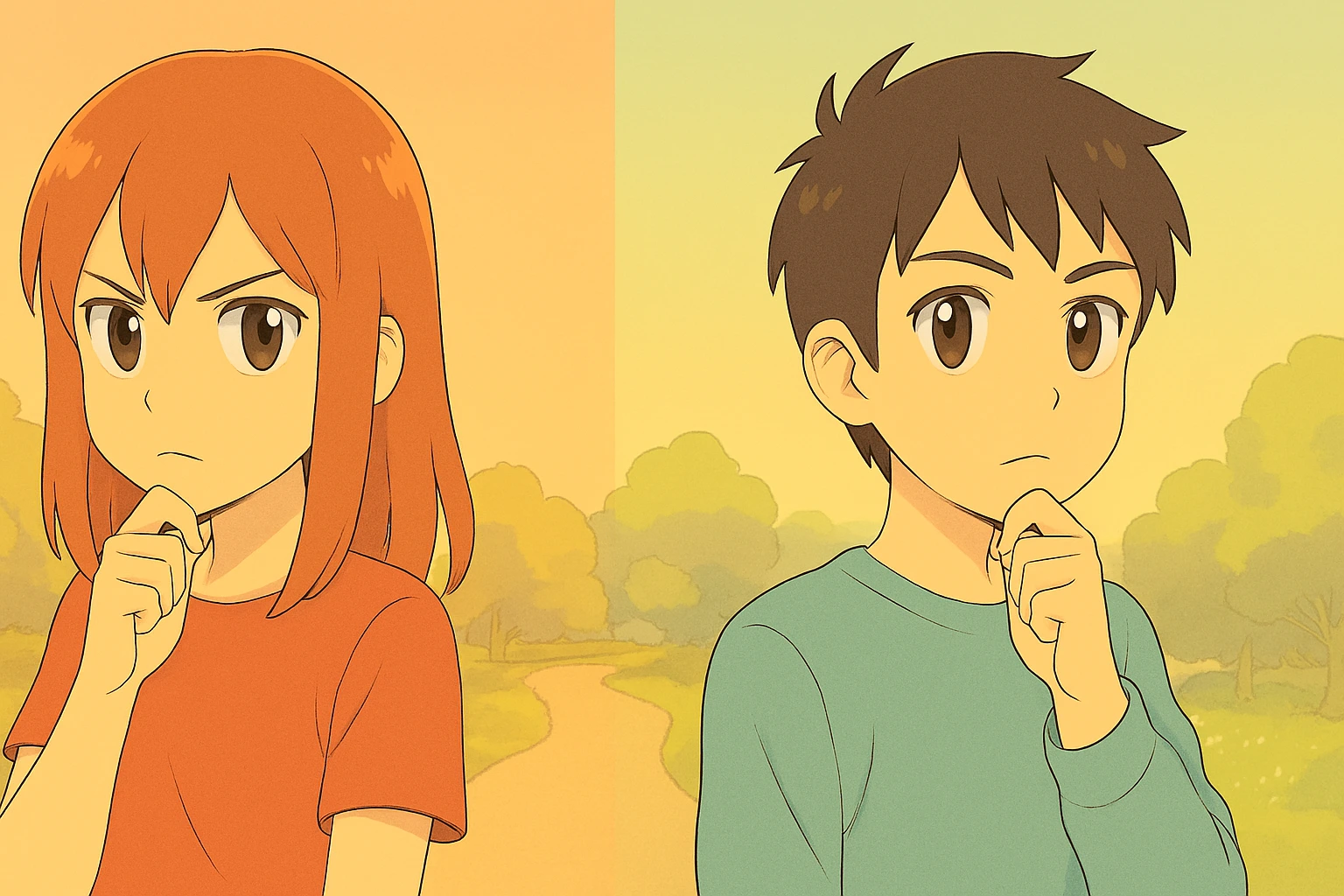
Welcome back to Part 2 of our series on relationships and dating for Gen Z in 2026. In Part 1 yesterday, we explored navigating apps and setting intentions. Today, we focus on a crucial skill observed in many young people’s experiences: identifying red flags and green flags early to foster healthier dynamics.
Flags aren’t judgments.. they’re signals helping decide if someone aligns with your well-being. In app-driven dating, where interactions start fast, spotting them prevents wasted time or hurt.
Read the Part 1: Navigating Dating Apps – Finding Meaning in a Swipe-Based World
Green flags show respect and compatibility
Consistent communication replying thoughtfully, not just late-night texts, builds trust. Many appreciate partners who ask about your day genuinely or respect boundaries, like no pressure for quick meets. Effort in planning dates, remembering details, or supporting your goals signals investment. Emotional maturity, like owning mistakes or discussing feelings openly, stands out amid avoidant patterns.
Red flags warrant caution
Inconsistency hot/cold behavior or frequent cancellations often indicates unreliability. Love-bombing (overwhelming affection early) can mask control. Disrespecting boundaries, badmouthing exes bitterly, or pushing physical intimacy too soon raise concerns. Common among young daters: Needy clinging or jealousy over friends/social media.
A big question: “How do I trust flags without overanalyzing?” Observe patterns over words. Actions reveal character. Discuss concerns calmly, if dismissed, that’s another flag. Cultural nuances in 2026 add layers: Apps amplify ghosting or “situationships.” Prioritize reciprocity effort should feel mutual.
Balancing optimism with discernment protects energy. Many young people learn through trial, emerging wiser. We’ve covered navigation and flags tomorrow in Part 3, building healthy connections long-term. See you for practical steps to nurture what matters.
Read the previous series in this blog: Learn & Improve