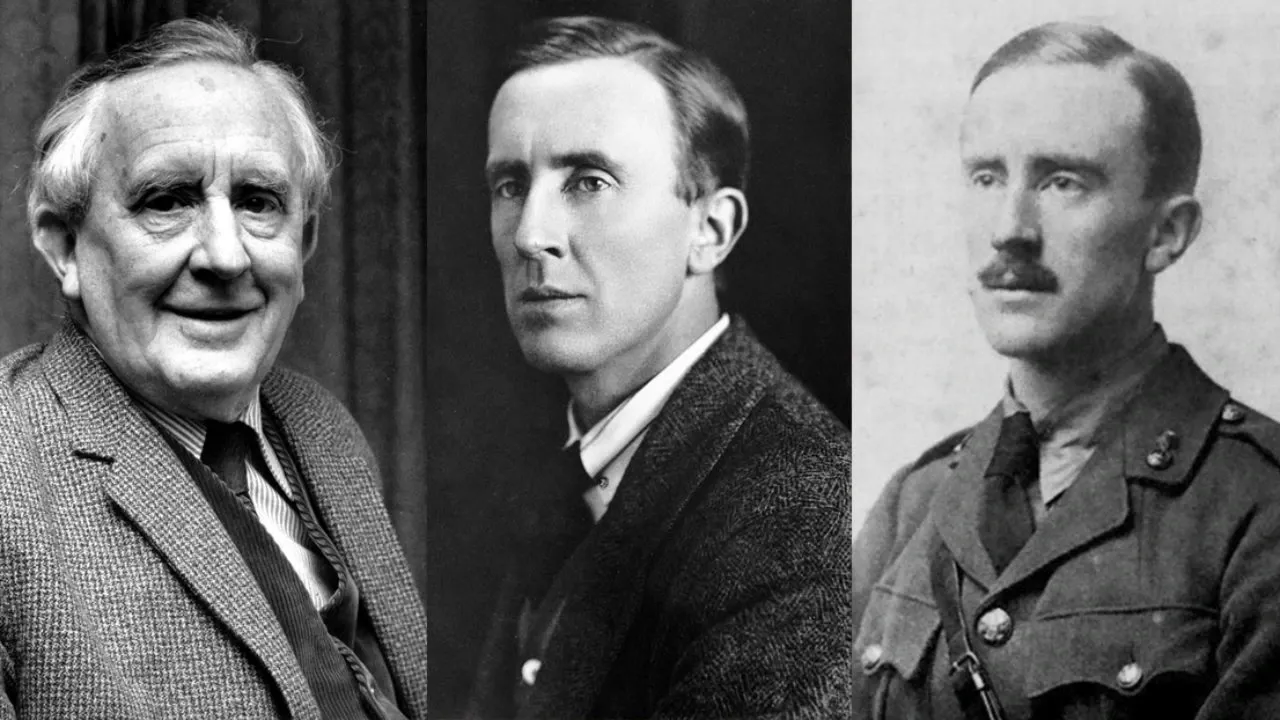
Yesterday marked the birthday of one of literature’s most transformative figures, John Ronald Reuel Tolkien, born on January 3, 1892. For generations of readers, millennials and Gen Z alike, Tolkien represents something far beyond mere authorship. He constructed entire worlds with languages, histories, and mythologies so intricate that they continue to captivate millions more than five decades after his passing. His influence on the fantasy genre remains unparalleled, establishing the blueprint that countless authors still follow today.
The Professor Who Built Worlds
Before Tolkien became the father of modern fantasy literature, he was a distinguished philologist and professor at Oxford University, specializing in Old and Middle English literature. This academic background profoundly shaped his creative work, as he approached world-building with the rigor of a scholar and the passion of a storyteller. Tolkien did not simply invent fantasy lands; he created fully realized civilizations complete with their own languages, poems, songs, and complex historical timelines stretching back thousands of years.
The Lord of the Rings trilogy and The Hobbit introduced readers to Middle-earth, a realm populated by hobbits, elves, dwarves, wizards, and men, all engaged in an epic struggle between good and evil. What distinguished Tolkien’s work from earlier fantasy was the depth and consistency of his creation. Middle-earth felt real because Tolkien treated it as real, developing multiple Elvish languages based on Finnish and Welsh, creating detailed genealogies for his characters, and crafting a mythology that rivaled ancient legends in scope and grandeur.
Also in Explained | The Chronicles of Narnia: Why We Are Still Searching for the Back of the Wardrobe
The Heart Behind the Elves
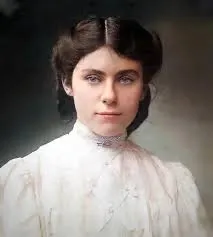
One of the most enchanting aspects of Tolkien’s legacy involves the inspiration behind his immortal elves. These ethereal beings, known for their wisdom, grace, and timeless beauty, were deeply influenced by Tolkien’s profound love for his wife, Edith Bratt. Their romance began when Tolkien was merely sixteen years old, and despite facing significant obstacles including disapproval from his guardian, their love endured. They married in 1916, and Edith became his lifelong muse and anchor.
The connection between Edith and Tolkien’s elvish characters becomes particularly poignant in the tale of Beren and Lúthien, one of the central love stories within his legendarium. This narrative, which appears in The Silmarillion and influences events in The Lord of the Rings, tells of a mortal man who falls in love with an elven maiden of surpassing beauty and grace. Lúthien Tinúviel, the elvish princess, represents everything Tolkien saw in Edith: beauty, courage, loyalty, and transformative love. The story explores themes of mortality, sacrifice, and the transcendent power of love across seemingly impossible divides.
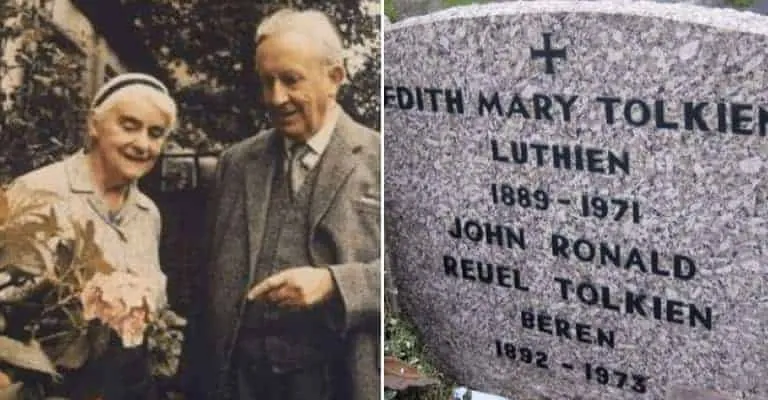
Tolkien himself acknowledged this connection explicitly. On their shared gravestone in Wolvercote Cemetery, Oxford, beneath Edith’s name is inscribed “Lúthien,” and beneath his own name, “Beren.” This final testament demonstrates how deeply his wife influenced not just his life but the very fabric of his greatest works. The elves in Tolkien’s universe embody not just fantasy and magic but the qualities he most admired in the woman he loved: grace under pressure, unwavering loyalty, and a connection to beauty and art that elevates the mundane to the extraordinary.
The Enduring Cultural Impact
For millennials who grew up with Peter Jackson’s groundbreaking film adaptations released between 2001 and 2003, and for Gen Z discovering Middle-earth through streaming platforms, extended editions, and renewed interest in fantasy literature, Tolkien’s work represents a gateway into deeper literary appreciation. The films introduced millions to his complex narratives, but the books offer something even more profound: the opportunity to experience Tolkien’s actual prose, his poetry, and the philosophical depth underlying the adventure.
The Lord of the Rings transcends typical fantasy adventure by grappling with themes of power, corruption, friendship, sacrifice, and environmental stewardship. The One Ring serves as a perfect metaphor for the corrupting influence of absolute power, while the hobbits demonstrate that heroism does not require physical strength or noble birth, but rather courage, loyalty, and moral clarity. These themes resonate particularly strongly with younger generations facing their own battles against seemingly overwhelming forces, whether climate change, political instability, or personal struggles.
Tolkien’s influence extends far beyond literature into gaming, music, art, and popular culture. Dungeons & Dragons, World of Warcraft, Game of Thrones, and countless other fantasy franchises owe an enormous debt to the foundations he established. Modern fantasy authors from George R.R. Martin to Patrick Rothfuss acknowledge Tolkien’s shadow, whether they write in homage to his style or deliberately against it. Either way, his presence remains inescapable in the genre.
The Magic of Discovery and Rediscovery
What makes Tolkien’s work particularly special for book lovers is the experience of discovery that awaits in every reading. The Lord of the Rings rewards multiple readings, revealing new layers of meaning, foreshadowing, and interconnection with each pass. Readers who begin with The Hobbit often find themselves drawn deeper into Middle-earth through The Lord of the Rings, then into the mythological depths of The Silmarillion, the scholarly insights of Unfinished Tales, and the editorial treasures compiled by his son Christopher Tolkien in the twelve-volume History of Middle-earth.
This depth creates a unique relationship between Tolkien and his readers. We do not simply consume his stories; we inhabit them, learn their languages, debate their histories, and find ourselves returning to Middle-earth again and again throughout our lives. Different ages and life stages reveal new aspects of his work. The adventure might captivate us as children, the themes of friendship and loyalty resonate in adolescence, and the meditations on mortality, legacy, and the passage of time speak to us as adults.

A Literary Legacy Worth Celebrating
As we mark another year since Tolkien’s birth, it becomes clear that his influence shows no signs of diminishing. Amazon’s recent television adaptation, The Rings of Power, introduces new audiences to the Second Age of Middle-earth, while new readers continue discovering his books every day. Academic conferences devoted to Tolkien studies proliferate worldwide, and fan communities remain vibrant and passionate across social media platforms, forums, and conventions.
For those of us who consider ourselves citizens of Middle-earth as much as the modern world, Tolkien represents something irreplaceable. He gave us not just stories but an entire mythology to call our own, crafted with love, scholarly precision, and profound understanding of human nature. His elves, inspired by the woman he loved, remind us that the best fantasy grows from genuine emotion and real human experience, transformed through imagination into something timeless.
Tolkien once wrote, “All we have to decide is what to do with the time that is given us.” He chose to spend his time building Middle-earth, and in doing so, gave generations of readers a place of refuge, wonder, and endless exploration. That gift continues giving, and his legacy burns as brightly as the light of Eärendil, guiding new readers home to the Shire and beyond, year after year, birthday after birthday.
Also in Explained | Jo March Was Our First Mirror: Why ‘Little Women’ Defines the Gen Z Winter Aesthetic
Exploring nostalgia, fantasy literature, and the stories that shaped generations.