Remember when Time Warner CEO Jeff Bewkes laughed off Netflix back in 2010, comparing it to “the Albanian army” and questioning whether it could ever take over the entertainment world? Fast forward fifteen years, and that same “Albanian army” just signed a deal to acquire Warner Bros for $72 billion. If irony had a price tag, this would be it.
The announcement that dropped on December 5, 2025, sent shockwaves through Hollywood that are still reverberating today. Netflix, the company that started by mailing DVDs to your doorstep in 1997, is now poised to own one of the most legendary studios in cinematic history. We’re talking about the house that built Casablanca, Superman, Harry Potter, and Game of Thrones. This isn’t just a business deal, it’s a complete reimagining of what entertainment looks like in the 21st century.
A Century of Dreams Meets Two Decades of Disruption
Warner Bros. isn’t just any studio. Founded in 1923 by four brothers: Harry, Albert, Sam, and Jack Warner this powerhouse has been shaping global entertainment for over a century. From introducing synchronized sound in “The Jazz Singer” to defining superhero cinema with DC Comics, Warner Bros. has consistently pushed boundaries and set standards that others follow.
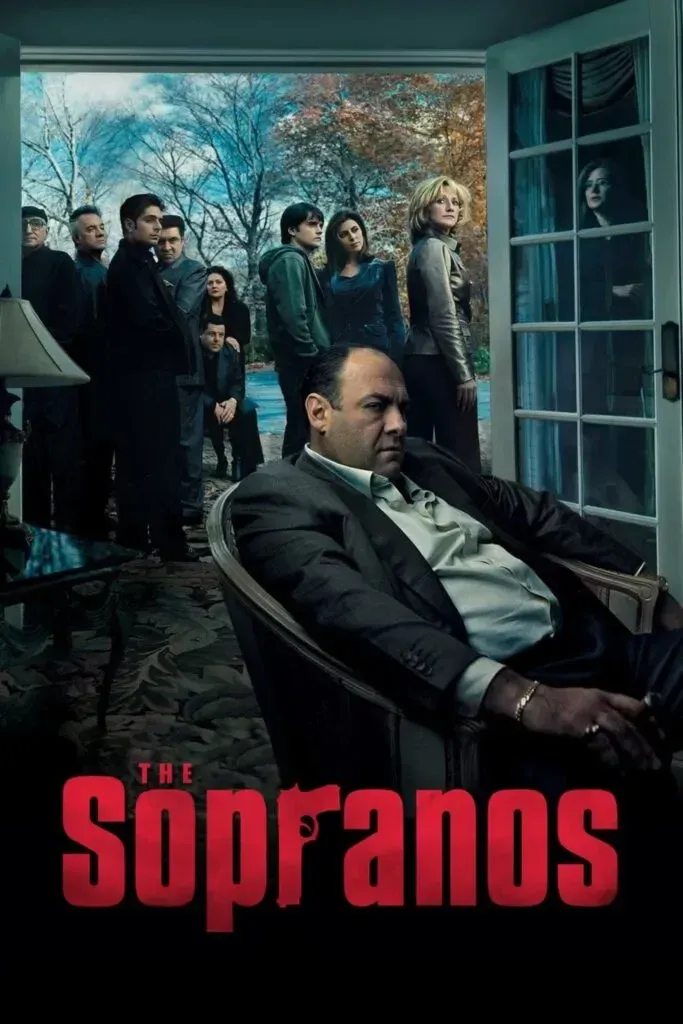
The studio’s legacy reads like a greatest hits album of cinema: “Casablanca,” “The Wizard of Oz,” “The Matrix,” the entire DC Extended Universe, and yes, the wizarding world of Harry Potter that has generated billions and captured hearts across generations. Add HBO’s prestige television empire think “The Sopranos,” “Game of Thrones,” and “Succession” and you’re looking at a content library that’s practically priceless.

But here’s where it gets interesting. Warner Bros. wasn’t just bought by any company, it was acquired by the very disruptor it once dismissed. Netflix, launched in 1997 as a DVD rental service, pivoted to streaming in 2007 and fundamentally changed how people consume entertainment. By 2013, Netflix was producing original content, and by 2025, it had grown to over 300 million subscribers worldwide, becoming the undisputed king of streaming.
The Deal That’s Shaking Hollywood to Its Core
The numbers alone are staggering. Netflix agreed to pay $27.75 per Warner Bros. Discovery share in a combination of cash and stock $23.25 in cash and $4.50 in Netflix stock. The total enterprise value reaches approximately $82.7 billion when factoring in Warner’s debt, with an equity value of $72 billion. To put that in perspective, Warner Bros. Discovery’s entire market capitalization was valued at around $60 billion just before the announcement. Netflix is essentially paying a premium to secure what many consider Hollywood’s crown jewel.
Here’s the fascinating twist: the deal only includes Warner Bros.’ streaming and studio operations: HBO, HBO Max, Warner Bros. Television, Warner Bros. Motion Picture Group, and DC Studios. The sprawling cable networks portfolio, including CNN, Discovery Channel, and TNT Sports, is being spun off into a separate publicly traded entity called Discovery Global, expected to complete in Q3 2026. The Netflix acquisition would close 12 to 18 months after that separation.
This wasn’t a quiet negotiation either. The bidding war for Warner Bros. was intense and dramatic. Paramount Skydance, fresh off its own $8 billion merger in August 2025, made multiple aggressive all-cash offers backed by CEO David Ellison’s family fortune. Unlike Netflix, Paramount wanted the entire Warner Bros. Discovery portfolio, including those cable networks. Comcast also threw its hat in the ring, making the competition fierce.
Paramount didn’t go down without a fight. The company sent letters to Warner Bros. Discovery alleging the sale process favored Netflix and questioned whether the deal would ever receive regulatory approval. Some industry insiders viewed Paramount as the frontrunner for a while, particularly given David Ellison’s connections his father, Oracle co-founder Larry Ellison, is known to be close with the current administration.
What This Means for Harry Potter Fans and Beyond
If you’re a Potterhead, this news probably feels surreal. The franchise that defined a generation, spawned eight films, theme parks, Broadway shows, and an entire expanded universe, is now under Netflix’s umbrella. The same platform that brought you “Stranger Things” and “Squid Game” will control Hogwarts, the DC Universe, and Middle Earth (through Warner’s extensive library).
But what does this actually mean for fans? Netflix has promised to maintain Warner Bros.’ current theatrical release strategy, which should calm fears that beloved franchises will skip the big screen entirely. The company recognizes the cultural and financial value of theatrical releases Warner Bros. put more people in movie theater seats than any other studio in recent years. Cinema owners and theater chains have expressed concerns, but Netflix appears committed to preserving that theatrical tradition, at least for major releases.

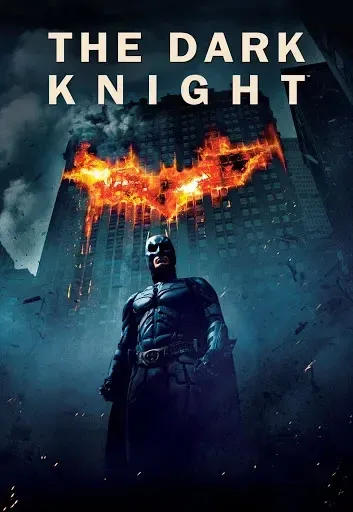

The bigger question is what happens to HBO Max. Will it merge with Netflix, or will both platforms continue operating separately with bundle deals? Netflix stated that adding HBO and HBO Max programming will give members “even more high-quality titles from which to choose.” Industry analysts suggest we might see creative bundling strategies that keep both platforms technically separate while offering combined subscription packages at attractive prices.
For content creators and industry professionals, this consolidation represents both opportunity and uncertainty. Netflix’s global reach over 190 countries could introduce Warner Bros. content to audiences that previously had limited access. The combined resources might fund ambitious projects that neither company could tackle alone. However, Hollywood unions have expressed alarm, worrying about job security and working conditions as consolidation reduces the number of major players in the industry.
The Regulatory Gauntlet Ahead
This deal isn’t done yet, not by a long shot. The merger must survive intense regulatory scrutiny from antitrust authorities in the United States and internationally. Netflix and HBO Max represent two of the three largest streaming platforms globally. Combining them creates a content behemoth with unprecedented market power.
Netflix has committed to a massive $5.8 billion reverse breakup fee if the deal fails to gain regulatory approval the same costly provision that Paramount proposed. This signals Netflix’s confidence, but also acknowledges the real possibility that regulators might block the transaction.
The political dimensions add another layer of complexity. Various lawmakers have already voiced concerns about the concentration of media power. The Trump administration reportedly views the deal with skepticism, and political considerations could influence the approval process significantly.
European regulators present another challenge. The consolidation would affect markets worldwide, and each jurisdiction will conduct its own analysis. Paramount’s team specifically highlighted European regulatory concerns as potential deal-breakers during the bidding process.
Also in Explained | Wicked: For Good (2025) – Box Office, Reviews, and Everything You Need to Know
The Bigger Picture: Hollywood’s Transformation
Step back from the headlines, and this acquisition tells a larger story about entertainment’s evolution. Traditional Hollywood studios built their empires on theatrical releases and later adapted to television. The streaming revolution forced another adaptation, but many legacy companies struggled to compete with tech-savvy disruptors like Netflix.
Warner Bros. Discovery, weighed down by billions in debt and lackluster streaming growth compared to Netflix’s dominance, ultimately decided selling was preferable to continuing the fight. This marks a watershed moment when a Silicon Valley streaming company successfully absorbed a Hollywood institution that predates World War II.
Some industry experts warn that consolidation reduces content diversity and consumer choice in the long run. Fewer major players means fewer competing visions, potentially leading to more homogenized entertainment. Others argue that scale is necessary to compete globally and fund the kind of premium content audiences demand.
The theatrical exhibition business faces perhaps the most immediate impact. While Netflix promises to maintain theatrical releases, the company’s track record shows limited commitment to traditional theatrical windows. Most Netflix films receive brief, limited theatrical runs primarily to qualify for awards rather than generate box office revenue. If that approach extends to Warner Bros.’ tentpole releases, theaters could lose crucial content that drives ticket sales.
What Happens Next?
The timeline is clear but lengthy. Warner Bros. Discovery must complete its planned separation of Discovery Global by Q3 2026. After that, the Netflix acquisition would close within 12 to 18 months, putting the final completion somewhere in late 2027 or early 2028, assuming regulatory approval.
During this period, expect intense lobbying from all sides, detailed antitrust analyses, and possibly revised deal terms to address regulatory concerns. Paramount Skydance might attempt a hostile bid directly to Warner Bros. Discovery shareholders, though that seems like a long shot given Netflix’s winning position.
For consumers and fans, the waiting game begins. Will Netflix integrate Warner Bros. content seamlessly, or will there be growing pains? How will iconic franchises be treated? Will subscription prices increase to reflect the expanded library? These questions won’t have definitive answers until the merger actually closes and Netflix begins implementing its vision.
The Entertainment Industry Will Never Be the Same
Whether you’re excited or anxious about Netflix acquiring Warner Bros., one thing is certain: we’re witnessing a historic transformation in entertainment. The company that was once dismissed as the “Albanian army” has conquered Hollywood’s most storied studio. The DVDs-by-mail service now controls Batman, Harry Potter, Game of Thrones, and countless other cultural touchstones.
This $72 billion bet represents Netflix’s evolution from disruptor to industry titan, from challenger to establishment. It’s the streaming era’s definitive statement, traditional Hollywood didn’t just adapt to the digital age; it was absorbed by it.
For Potterheads and film fans worldwide, the next chapter promises to be as dramatic and unpredictable as any blockbuster Warner Bros. ever produced. The wands have been passed, the contracts signed, and now we wait to see what magic or chaos emerges when Silicon Valley finally, completely, takes over Tinseltown.
Also in Explained | Meta’s Metaverse Retreat: Zuckerberg’s Pivot to AI Wearables and Global Business Lessons