If you were born around the turn of the millennium, there is a specific frequency that unlocks a core memory in your brain. It isn’t a pop song or a video game sound effect. It is the distant, steam-hissing roar of a train and the delicate chime of a silver sleigh bell.
For many of us Gen Z “old souls,” the holiday season doesn’t officially begin until we rewatch The Polar Express (2004). I remember watching it during school holidays, sitting cross-legged on the floor, feeling an emotion I couldn’t quite name at the time. It felt like being on the moon isolated, magical, and glowing with a strange, quiet light.
As children, we watched it hoping the train would stop at our house. We wanted to meet Santa. But revisiting this film as young adults, specifically as a techie, I realize that the train ride wasn’t just about a destination. It was about a technological revolution in cinema, and a philosophical lesson about “Hope” that we need now more than ever.
Here is why The Polar Express remains the ultimate Gen Z winter classic.
The “Uncanny” Innovation: A Technological Landmark
We often categorize The Polar Express as just a “Christmas movie,” but from a technological standpoint, it was a massive gamble. As pointed out by cinema historians, this film was a groundbreaking fantasy adventure that served as a “technological landmark” for the industry.
It was the first feature film entirely shot using performance capture animation.
What is Performance Capture?
For the non-techies reading this: distinct from traditional voice acting where an actor stands in a booth, performance capture involves actors wearing suits covered in sensors. These sensors track every subtle movement from the shrug of a shoulder to the twitch of an eyelid and translate that data onto a digital skeleton.
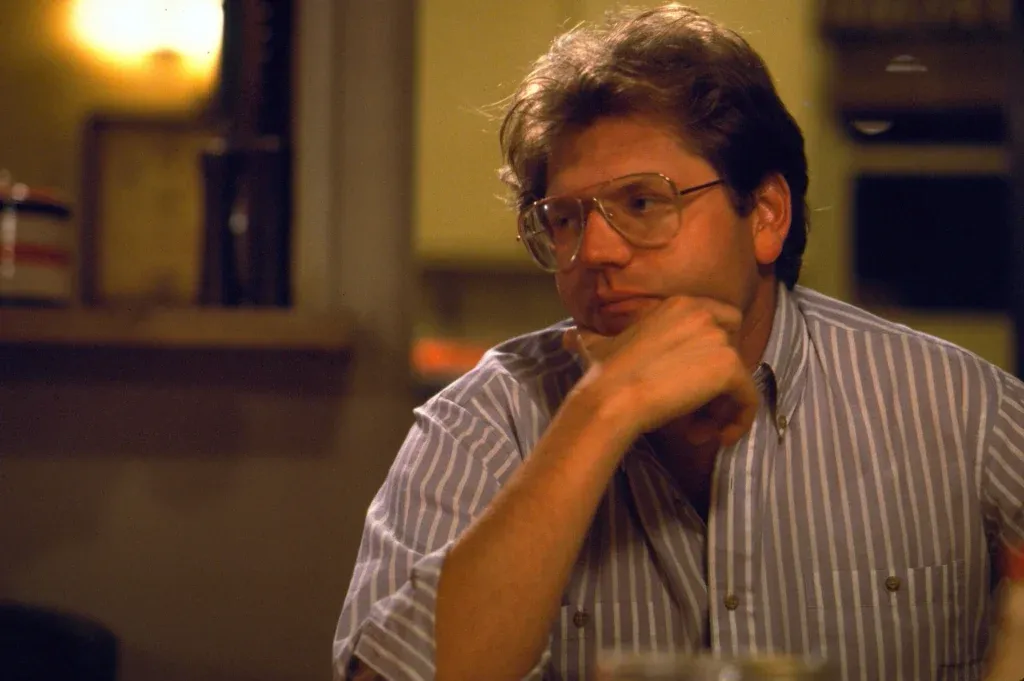
Director Robert Zemeckis (famous for Forrest Gump and Back to the Future) didn’t just want to make a cartoon; he wanted to capture the soul of human performance and wrap it in the texture of an oil painting.
The Digital “Ghost” in the Machine
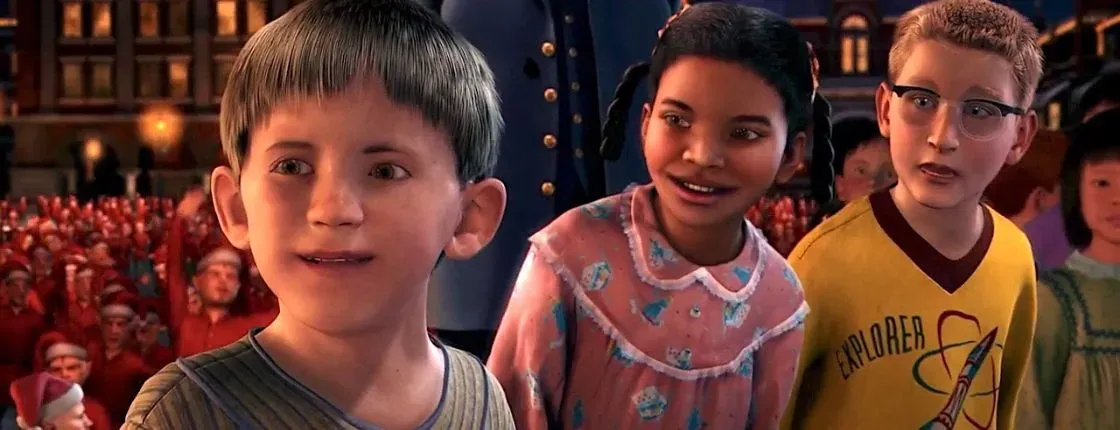
Growing up, you might remember people saying the characters looked “a little scary.” Critics at the time called this the “Uncanny Valley” a term in robotics and 3D animation where a character looks almost human but not quite, creating an eerie feeling.
However, looking back with our 2025 eyes, that “uncanny” look is exactly what makes the film so special. The “highly detailed, though sometimes criticized, realistic look” created a dreamlike atmosphere that standard Disney cartoons couldn’t match. It perfectly captured the feeling of being half-asleep on Christmas Eve, where reality and dreams blur together. It was a bold tech experiment that paved the way for modern masterpieces like Avatar.
Also in Explained | Wicked: For Good (2025) – Box Office, Reviews, and Everything You Need to Know
Tom Hanks and the Multiverse of Roles
Before the Marvel Cinematic Universe made “variants” cool, Tom Hanks was already playing half the cast in a single movie.
One of the most fascinating trivia bits for us tech-geeks is that Hanks didn’t just play the Conductor. Thanks to the versatility of motion capture, he starred in multiple roles, including:
- The Narrator (Adult Hero Boy)
- The Father
- The Conductor
- The Hobo (the ghost on the train roof)
- Santa Claus himself
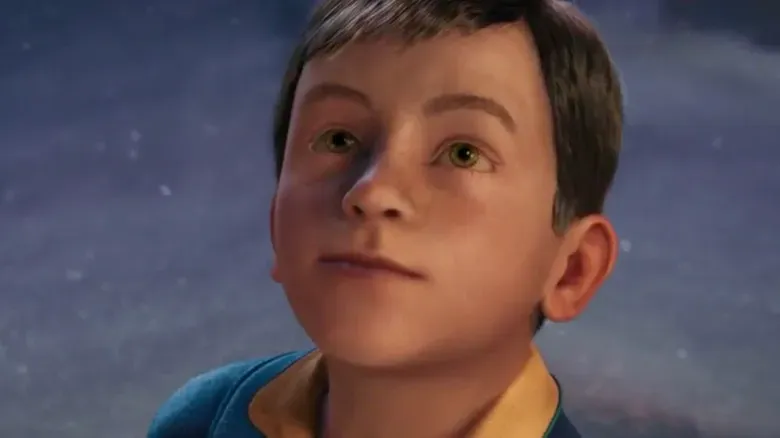


The Polar Express. 2004. Warner Bros Pictures.
This wasn’t just a cost-saving measure. It adds a layer of subconscious depth to the film. The fact that the authority figure (Conductor), the skeptic (Hobo), and the believer (Santa) are all played by the same man suggests that these characters represent different parts of the boy’s own psyche. They are all facets of growing up.
The Philosophy of the Silver Bell: “Secret Santa” is Hope
As a child, I watched the screen with wide eyes, waiting for my own ticket to punch. I expected something magical to happen to me a sudden gust of wind, a rumble in the street so I could finally meet Santa.
But as I’ve grown older, my interpretation of “Santa” in this film has shifted. The film’s thematic focus is on the universal experience of growing up and losing faith in the impossible.
The Hero Boy is at that fragile age (much like we are now, straddling youth and adulthood) where logic starts to kill magic. He rips his pocket. He checks the encyclopedia. He doubts.
The journey to the North Pole is a metaphor. The “Secret Santa” isn’t just a man in a red suit; the Secret Santa is Hope.
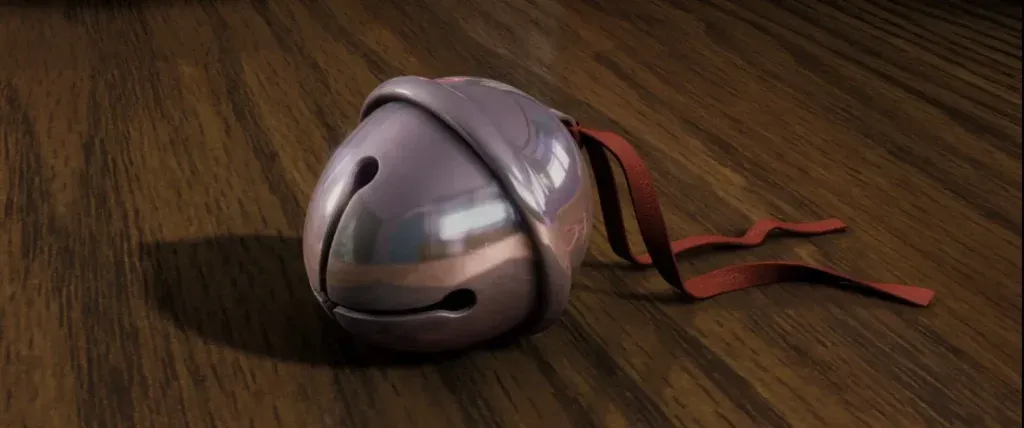
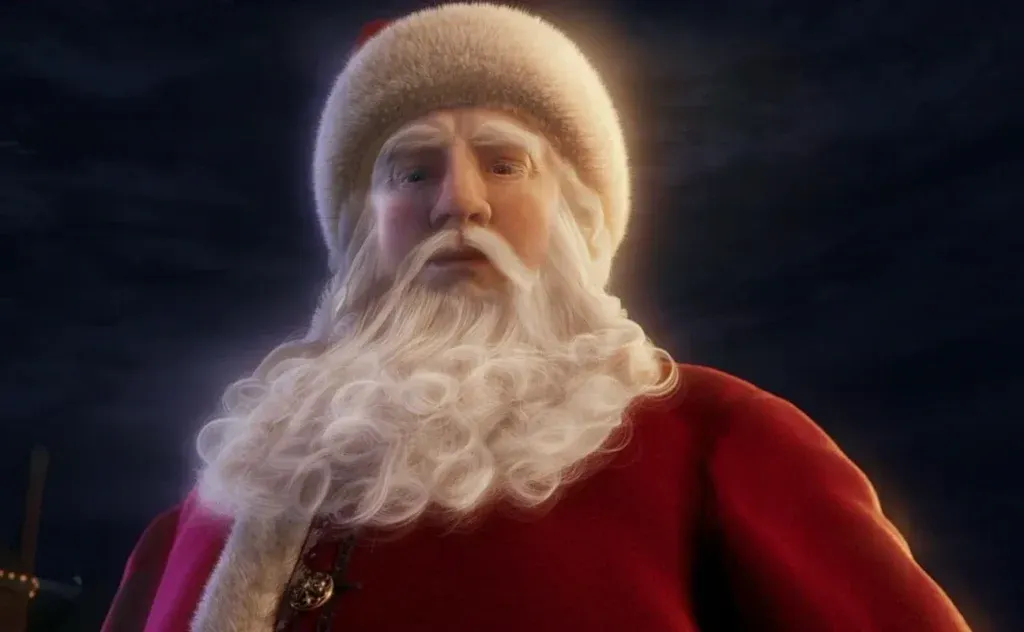
When we are young, hope is easy. It’s a gift under a tree. But as we enter our 20s, navigating careers, education, and a complex world, “hope” becomes the ability to believe in things we cannot see. As the Conductor famously says, “The thing about trains… it doesn’t matter where they’re going. What matters is deciding to get on.”
The ultimate reward in the film isn’t a toy. It is hearing the silver bell, a symbol of true belief.
Why It Hits Different for Gen Z
Why do we feel like we are “on the moon” when we hear that theme music?
It’s because The Polar Express captures a very specific type of loneliness that is actually comforting. The scenes of the train cutting through vast, silent forests of ice; the quiet observation of the wolves; the aurora borealis dancing overhead.
For a generation that is constantly plugged in, notified, and updated, the silence of The Polar Express is nostalgic. It reminds us of a time when the world felt huge, mysterious, and full of quiet magic.
The “Nostalgia Youngthare” Takeaway
This holiday season, when you sit down to watch this classic (perhaps on a streaming service, rather than the scratched DVD of our childhood), pay attention to the craft. Appreciate the risky technology Zemeckis used. Listen to the score by Alan Silvestri.
But most importantly, check your pockets. See if you can still hear the bell.
The film reminds us that the magic of Christmas and the power of Hope, only “lives within those who choose to hear the bell”. Even if we are too old to sit on Santa’s lap, we are never too old to believe that the train is coming.
And if you want more nostalgic feel, check the second installment in our “Nostalgia Winter Films” series – The Chronicles of Narnia: Why We Are Still Searching for the Back of the Wardrobe
Also in Explained | House of David 2025: The Biblical Epic That’s Breaking Streaming Records