Welcome to the start of a new three-part series tailored for us Gen Z navigating the unique pressures of 2026. Over the next three days, we’ll cover recognizing signs and stressors, building daily resilience practices, and creating long-term strategies to not just cope, but truly thrive. Building on last week’s personal planning guide where we reflected, set goals, and built habits for success, this series shifts to something even more foundational: managing mental health. If you’ve ever felt overwhelmed by the constant noise of social media, work demands, or uncertainty about the future, this is for you. These insights come from a journey through anxiety spikes, therapy sessions, and the small shifts that made a real difference.
Mental health isn’t a buzzword, it’s the quiet undercurrent that affects everything from your energy levels to your relationships. As someone in my mid-20s, I’ve felt the weight of comparing my life to curated feeds, juggling side hustles while questioning if it’s all worth it. In 2026, with AI reshaping jobs and global issues always one notification away, Gen Z faces heightened stressors: FOMO from endless trends, burnout from hustle culture, and isolation despite being “connected” online.
The first step is recognizing, knowing when things aren’t okay
Common signs include persistent fatigue that sleep doesn’t fix, irritability over small things, or a loss of interest in hobbies that once lit you up. I remember a stretch in 2025 where I scrolled mindlessly for hours, feeling numb yet restless. That was anxiety creeping in, masked as “just chilling.” Physical clues matter too: headaches, tight chest, or disrupted sleep patterns.
Stressors for our generation are distinct. Social media algorithms feed comparison, seeing peers “succeed” while you’re grinding quietly. Economic uncertainty, like gig economy instability or student debt lingering, adds pressure. Climate anxiety and political divides weigh heavy, often leaving us doomscrolling for “answers.” Then there’s perfectionism: the need to have a thriving career, aesthetic life, and deep connections all at once.
A question I often hear from friends is “How do I know if it’s normal stress or something more?” Normal stress ebbs and flows; mental health challenges linger and impact daily functioning. Track patterns over weeks, if you’re withdrawing from friends, procrastinating excessively, or feeling hopeless, it’s worth addressing early.
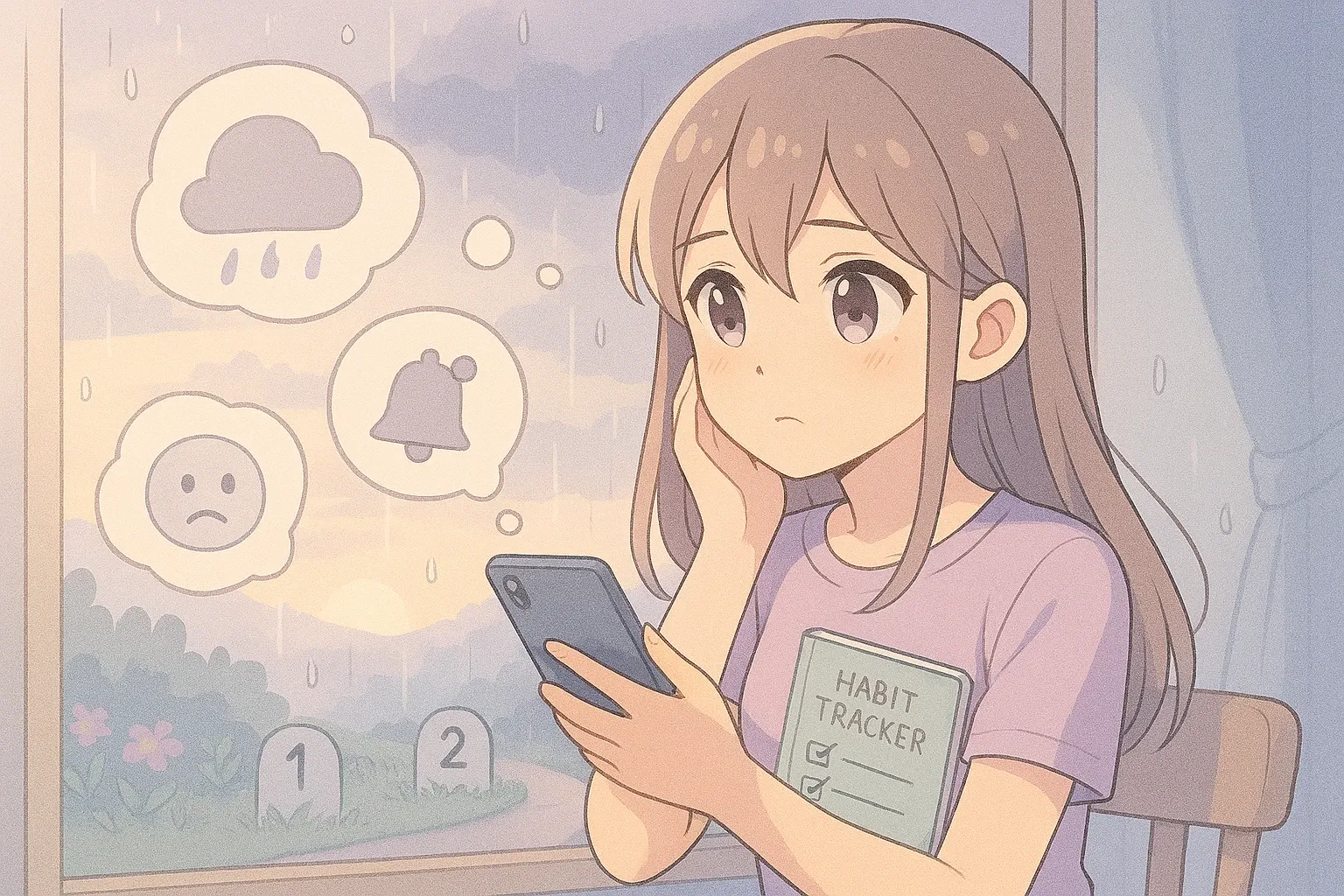
Self-awareness is your superpower here. Try a weekly “mental check-in”: Rate your mood, note triggers, and observe habits. Apps can help gently, but a simple journal works wonders. I started this after a low period and spotted patterns, like weekends ruined by overthinking work emails.
Recognizing these isn’t about labeling yourself; it’s empowerment. You’re not alone, Gen Z reports higher anxiety rates, but that also means more open conversations and resources. Tomorrow, in Part 2, we’ll explore daily practices to build resilience and reclaim calm amid the storm. Join me, it’s the practical side that changed my days. 🫶🏻
Read the previous series in this blog: Learn & Improve