If you missed Part 1 of our Cyclone Ditwah Recovery Series – Mental Health Awareness After Cyclone Ditwah, you can read it here [link].
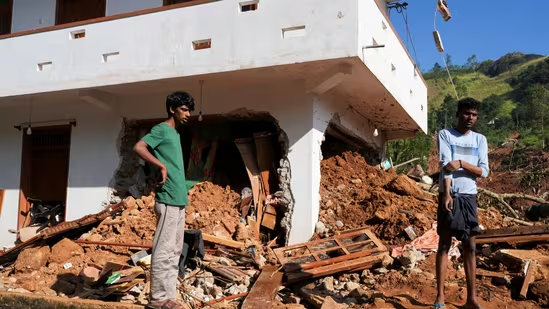
In this second article, we shift from emotional recovery to practical safety and health guidelines for young people returning home after the cyclone. While the instinct may be to rush back and rebuild, the reality is that disaster zones remain dangerous long after the storm has passed. From contaminated water to unstable structures, the risks are real.
Recovery begins with safety. Protecting your health and environment ensures that rebuilding is sustainable, not short-lived.
Step 1: Assess Home Safety Before Entering
Returning home after a cyclone is emotional, but caution must come first.
- Check structural stability: Look for cracks in walls, sagging roofs, or leaning foundations.
- Electrical hazards: Avoid turning on power until inspected. Downed lines or wet wiring can cause electrocution.
- Gas leaks: If you smell gas, leave immediately and alert authorities.
- Flood damage: Floors may be slippery or weakened. Test each step before walking.
Step 2: Ensure Clean Water and Food Safety
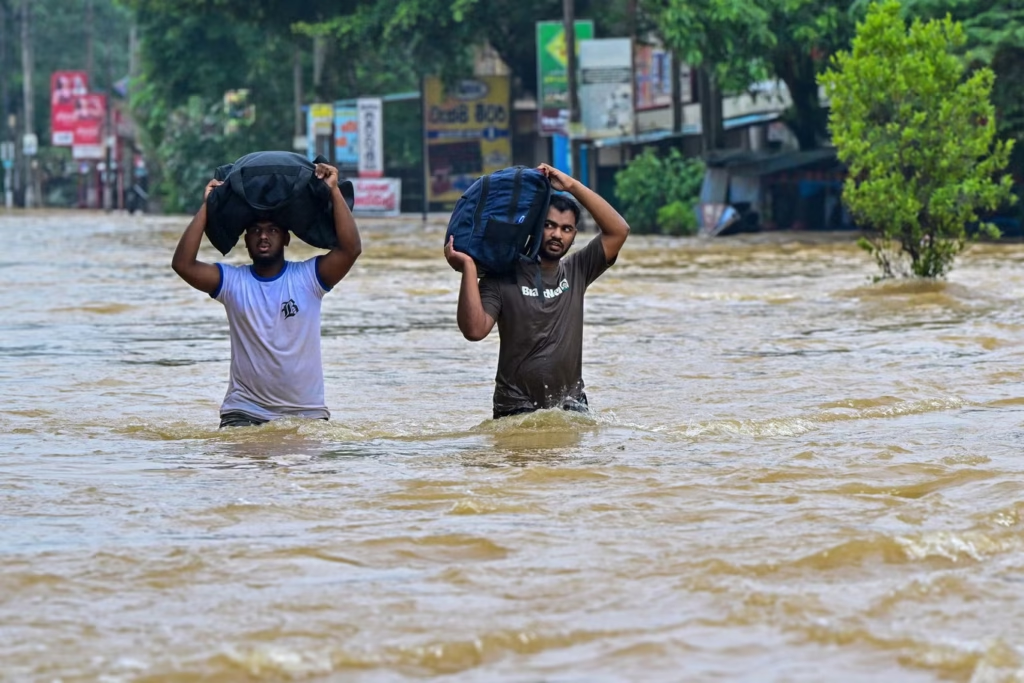
Floodwaters often contaminate drinking supplies. Unsafe water can spread diseases like cholera, typhoid, and diarrhea!
- Boil water before drinking or cooking.
- Use bottled water if available.
- Discard spoiled food; if it smells odd or was submerged, it’s unsafe.
- Avoid raw foods until sanitation is restored.
Tip: Young people can help families by organizing clean water distribution or sharing purification tablets.
AFP via Getty Images
Step 3: Personal Safety During Cleanup
Cleanup is exhausting, but safety must guide every step.
- Wear protective gear: Gloves, boots, and masks reduce exposure to debris and mold.
- Take breaks: Overexertion leads to injuries and worsens fatigue.
- Delegate tasks: Share responsibilities with family or neighbors.
- Avoid sharp debris: Broken glass, nails, and metal scraps can cause infections.
Step 4: Protect Children and Vulnerable Groups
Children, elderly, and disabled individuals need extra care during recovery.
- Maintain routines: Meals, bedtime, and schoolwork restore stability.
- Create safe zones: Keep children away from debris and contaminated areas.
- Offer reassurance: Simple words like “We are safe now” reduce trauma.
- Check on vulnerable neighbors: Community care strengthens resilience.
Step 5: Stay Informed Through Verified Sources
Misinformation spreads quickly after disasters. Young people, especially digital natives, play a crucial role in filtering news.
- Follow official updates from disaster management authorities.
- Avoid rumors on social media.
- Share verified information with family and community.
Step 6: Health Precautions and Medical Care
Flood recovery often brings hidden health risks.
- Watch for infections: Cuts and wounds should be cleaned and covered.
- Prevent mosquito-borne diseases: Use repellents and nets to avoid dengue or malaria.
- Seek medical help early: Persistent fever, diarrhea, or breathing issues require attention.
- Counseling services: Emotional health is part of physical recovery.
Step 7: Balance Safety with Emotional Recovery
Safety and mental health are interconnected. Overexertion during cleanup can worsen emotional exhaustion. Rest, hydration, and peer support are essential.
Young people should normalize conversations about stress while practicing safety. Recovery is not a sprint, it’s a marathon.
Collective Responsibility
Returning home safely is not just about individual families, it’s about communities. Sharing resources, organizing cleanups, and supporting vulnerable groups ensures collective resilience.
When young people lead with safety, they set the tone for sustainable recovery.
Key Message
Cyclone Ditwah recovery begins with safety. From assessing structural risks to ensuring clean water and protecting vulnerable groups, every step matters. Young people must balance urgency with caution, recognizing that health and safety are the foundation of rebuilding.
🔗 Continuity
This is Part 2 of our Cyclone Ditwah Recovery Series.
👉 If you missed Part 1 on mental health awareness, read it here [link].
👉 In Part 3, we’ll explore How Young People Can Lead Recovery and Resilience [link].
Check Learn & Hustle of YoungThare for more on mental health awareness, career and education.