| Read the previous article here – Part 2: Magic Talk of November – “Why I’m Scared to Fail? And Still Trying” |
The Pressure to Be Perfect. It’s the word that hides behind every assignment, every exam, every Instagram post. For Gen Z students in Sri Lanka, perfection isn’t just a goal.. it’s an expectation. Parents, teachers, peers, even strangers online seem to demand flawless performance. And when you fall short, the shame feels unbearable.
But here’s the truth: perfection is a myth. It’s a moving target that drains energy, fuels anxiety, and leaves you chasing validation that never lasts. The pressure to be perfect is breaking us and it’s time to talk about why.
Why Perfectionism Feels So Heavy
Perfectionism isn’t just about wanting to do well. It’s about believing that anything less than flawless is failure. For students, this shows up in different ways: rewriting essays until dawn, obsessing over grades, or refusing to try unless success feels guaranteed.
In Sri Lanka, where academic achievement is tied to family pride and social status, the weight doubles. A single mistake can feel like dishonor. A single “average” grade can feel like proof you’re not enough. Add social media into the mix, where curated feeds show peers thriving and the pressure becomes unbearable.
The Hidden Costs of Chasing Perfection
Perfectionism looks shiny on the outside high achievers, polished resumes, curated feeds. But underneath, it carries hidden costs:
- Emotional burnout: Constant striving drains mental health.
- Fear of failure: Students avoid risks, missing opportunities for growth.
- Identity crisis: Worth becomes tied to achievements, not character.
- Isolation: Pressure makes students withdraw, fearing judgment.
These costs don’t just affect grades, they affect lives. Careers stall, friendships fade, and self-worth collapses under the weight of impossible standards.
The Myth of “Perfect Timing”
One of the most dangerous lies perfectionism tells is: “Wait until you’re ready.” Students delay applying for jobs, launching projects, or sharing ideas because they want everything polished. But waiting for perfect timing often means never starting.
In reality, growth happens in messy drafts, failed attempts, and imperfect beginnings. The myth of perfect timing keeps students stuck in planning mode, while opportunities pass by.
Perfection vs. Progress
Here’s the shift Gen Z needs: stop chasing perfection, start chasing progress. Progress means moving forward, even if the steps are small. Progress means learning from mistakes, not hiding them. Progress means valuing resilience over flawless records.
Think of it this way: perfection is a snapshot, progress is a journey. And journeys are where real growth happens.
The Sri Lankan Context: Pressure and Culture
In Sri Lanka, perfectionism is often reinforced by cultural narratives. Exams are treated like destiny, careers like identity, and achievements like proof of worth. Students grow up believing that success must look a certain way—doctor, engineer, lawyer. Anything else feels like failure.
But the world is shifting. Digital platforms, creative industries, and entrepreneurial paths are opening doors that didn’t exist before. Perfection in one lane might simply mean you’re meant to explore another.
The Emotional Side of Perfectionism
Perfectionism isn’t just academic, it’s emotional. It shapes how students see themselves, how they connect with peers, and how they handle setbacks. The emotional toll includes:
- Constant self-criticism
- Anxiety before exams or interviews
- Fear of disappointing family
- Shame when comparing with peers
But emotions aren’t enemies. They’re signals. Anxiety shows you care. Fear shows you’re stretching. Shame shows you’re human. The key is learning to respond with compassion, not punishment.
Why Imperfection Builds Respect
Ironically, imperfection often earns more respect than perfection. When students admit struggles, peers see honesty. When they share lessons from setbacks, mentors see wisdom. When they keep going despite flaws, employers see resilience.
Perfection might impress, but imperfection connects. And connection is what builds communities, careers, and confidence.
The Role of Social Media
Social media amplifies perfectionism. Curated feeds show highlight reels, not reality. Students compare their behind-the-scenes with someone else’s polished front stage. The result? Anxiety, burnout, and a constant sense of inadequacy.
But social media can also be a tool for authenticity. Sharing imperfect journeys, honest reflections, and real struggles creates connection. Gen Z has the power to shift the narrative, from perfection to progress.
Breaking the Cycle
So how do we break free from perfectionism? It starts with mindset shifts:
- Redefine success as growth, not flawlessness.
- Treat mistakes as lessons, not verdicts.
- Value resilience over records.
- Celebrate progress, not perfection.
These shifts don’t happen overnight. But each small step each imperfect attempt chips away at the myth of perfection.
Final Thought: Perfect Is a Prison
Perfection is a prison. It locks students into fear, shame, and endless striving. But that’s not mean imperfection is freedom at all. It allows growth, connection, and resilience.
You’re allowed to stumble. You’re allowed to fail. You’re allowed to be messy. Because perfection doesn’t define you progress does. And every imperfect step forward is proof that you’re becoming stronger, wiser, and more human.
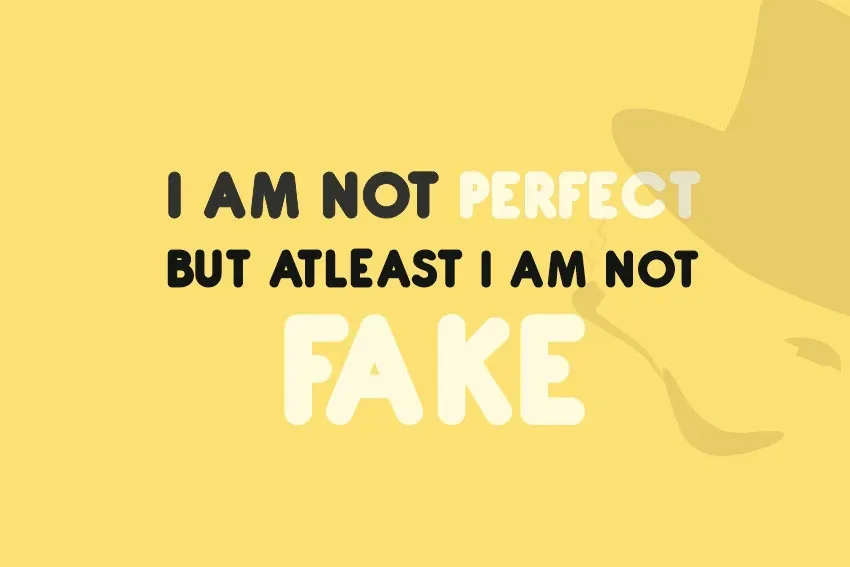


So let’s stop chasing flawless records. Let’s start chasing real stories. Because the pressure to be perfect is breaking us and imperfection might just be the cure.
| Read the first article of the series here – Part 1: Magic Talk of November – “I Feel Behind.. How Do I Catch Up?” |