Why Is Football So Famous?
Football isn’t just a sport, it’s a language. Spoken in chants, passed through generations, and stitched into the fabric of everyday life. Its simplicity (a ball, a field, a dream) makes it accessible. Its drama, the heartbreaks, the last-minute goals, the rivalries makes it unforgettable. Across continents, football has become a mirror of society: reflecting its joys, its tensions, and its longing for unity.
When Was Women’s Football Established?
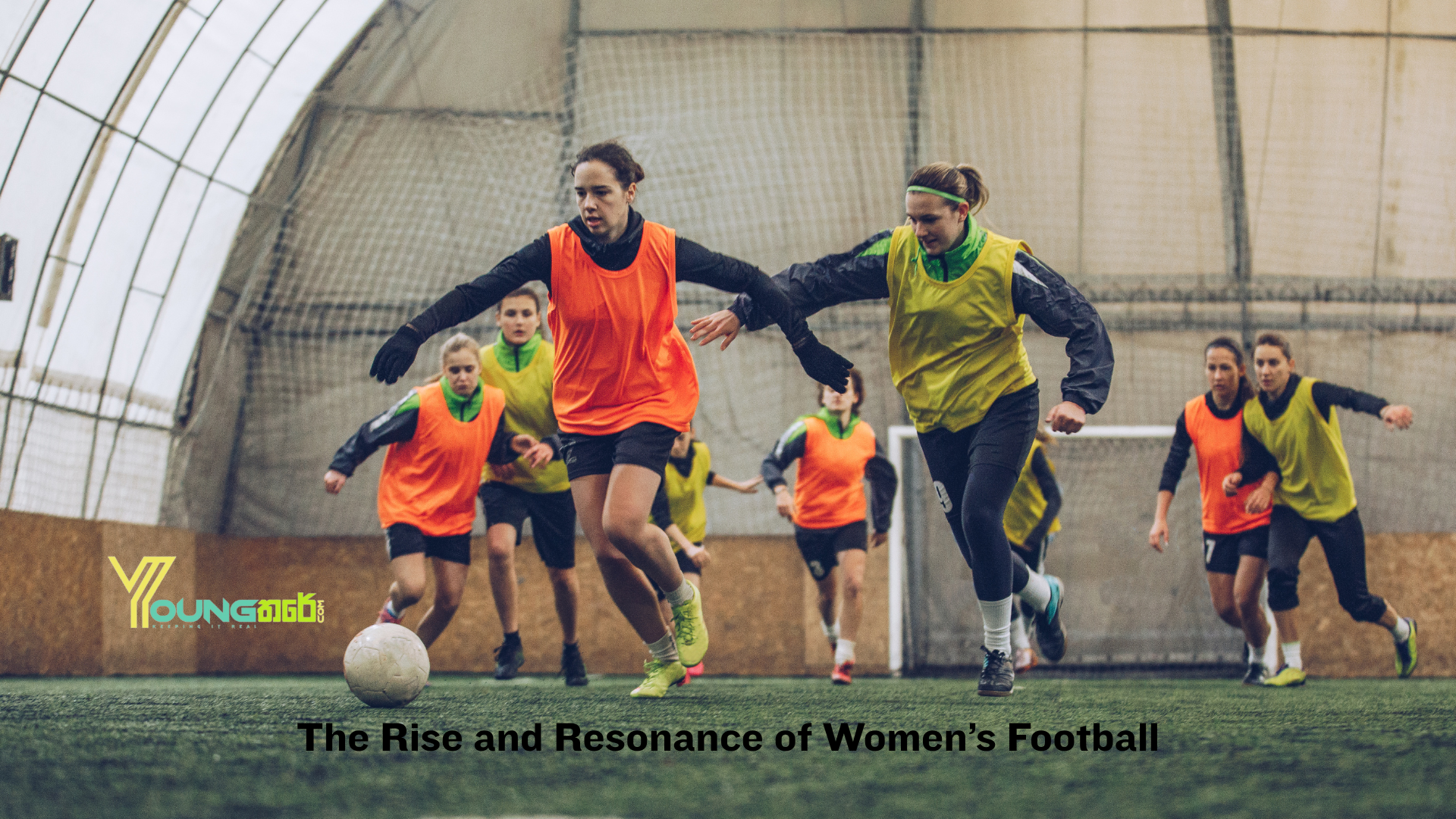
Women’s football has existed almost as long as the men’s game, but not without resistance. In the early 20th century, teams like the Kerr Ladies in England drew massive crowds, even during wartime. Yet in 1921, the Football Association banned women from playing on affiliated pitches, claiming the sport was “unsuitable for females.” That ban lasted 50 years.
Despite this, women kept playing in parks, in unofficial leagues, in silence and in defiance. Their love for the game was louder than the world’s dismissal.
What Cultural Impacts Did It Cause?
Women’s football became more than sport, it became protest. It challenged gender norms, questioned who gets to be visible, and created spaces where women could be strong, strategic, and unapologetically competitive.
In many cultures, female players were mocked, shamed, or even punished. But the game persisted. It became a quiet revolution, where every pass and goal was a refusal to be erased.
From Brazil’s Marta to Nigeria’s Asisat Oshoala, players became symbols, not just of athleticism, but of cultural resistance. They carried not just jerseys, but generations of silenced ambition.
How Did Women Footballers Overcome Everything?
They trained without funding. Played without crowds. Fought for equal pay, media coverage, and basic respect. They endured sexist headlines, lack of sponsorship, and institutional neglect.
But they also built something extraordinary: a global sisterhood. They created their own leagues, mentored younger players, and used social media to amplify their voices. They didn’t wait for permission, they played anyway.
Today, many of them are not just athletes, but activists, entrepreneurs, and icons. Their resilience has reshaped the game and the world watching it.
Are There Rivalries Like in Men’s Football?
Absolutely. Rivalries in women’s football are fierce, passionate, and deeply rooted in history. Think USA vs Canada, a clash of titans with Olympic and World Cup drama. Or Chelsea vs Arsenal in the Women’s Super League, where tactics meet legacy. Lyon vs PSG in France, Barcelona vs Real Madrid in Spain; these matches are more than games; they’re statements.
These rivalries fuel fan culture, inspire young players, and prove that women’s football has its own mythology; just as rich, just as thrilling.
What Does It Have to Do with Gen Z?
Gen Z isn’t just watching, they’re shaping the game. They demand inclusivity, authenticity, and representation. Women’s football offers all three.
It’s a space where diversity, mental health, and activism are part of the conversation. Gen Z fans follow players not just for their goals, but for their values. They wear jerseys with pride, start podcasts, and flood stadiums with energy.
Why Women’s Football Hits Different for Gen Z?
Gen Z isn’t just watching women’s football, they’re emotionally invested in it. For a generation that values authenticity, representation, and social impact, the women’s game offers something the traditional sports world often lacks.
Here’s why it matters:
Visibility = Possibility
Gen Z grew up hearing “If you can’t see it, you can’t be it.” Now, they’re seeing women dominate stadiums, lead teams, and speak out; and it’s changing how young people imagine their own futures. Since 2017, there’s been a 54% increase in girls playing football.
Safe Spaces
Women’s football is one of the few sports where players are more forward and fearless when it comes to tell the world about the inappropriate things happening in the football academies and coaching centres. This visibility is powerful and personal.
Digital Storytelling & Emotional Connection
Gen Z doesn’t just watch matches, they follow behind-the-scenes clips, player interviews, and TikTok edits. They crave connection, not just consumption. Social media has turned football into a shared experience, not just a broadcast.
Activism & Identity
From equal pay protests to mental health advocacy, women footballers are using their platforms to speak up. Gen Z admires athletes who are more than just performers, they’re changemakers. The sport reflects their values: inclusivity, courage, and community.
Cultural Freshness
While men’s football can feel saturated, women’s football is still evolving, fresh rivalries, new narratives, and space for innovation. Gen Z is drawn to that energy. It’s not just a game; it’s a movement they can shape.
Recent Milestones: World Cup & Euro
The 2023 Women’s World Cup was historic; record attendance, global viewership, and Spain’s dramatic win. The 2025 Euro saw England lift the trophy again, with sold-out stadiums and viral moments that rivaled any men’s final.
These events weren’t just sporting milestones, they were cultural shifts. Brands invested. Media paid attention. And millions of young girls and boys who are Gen Z saw themselves on the world stage.
A Game Reclaimed
Women’s football is no longer asking for space, it’s claiming it. With boots, banners, and the boldness of a generation that refuses to play small.
It’s a game of grit and grace. Of history rewritten and futures imagined. And whether you’re a lifelong fan or a curious Gen Z, one thing is clear:
This is not the beginning. This is the arrival.
Read more here 💭: https://youngthare.com/