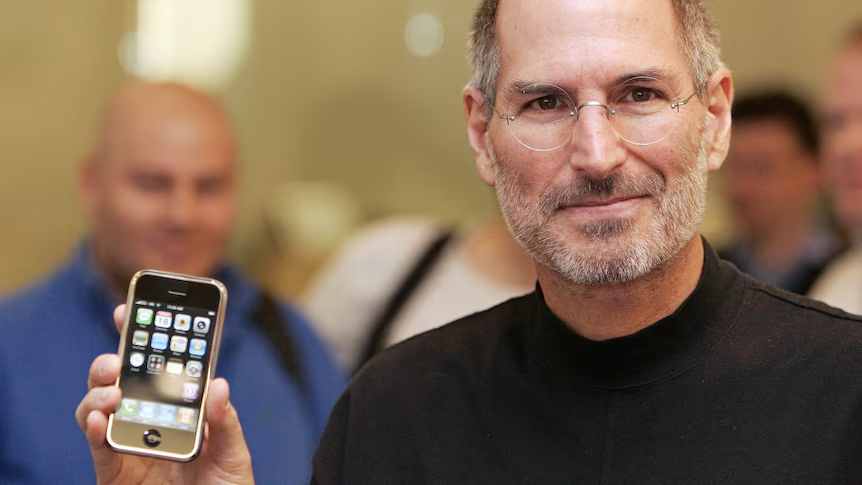
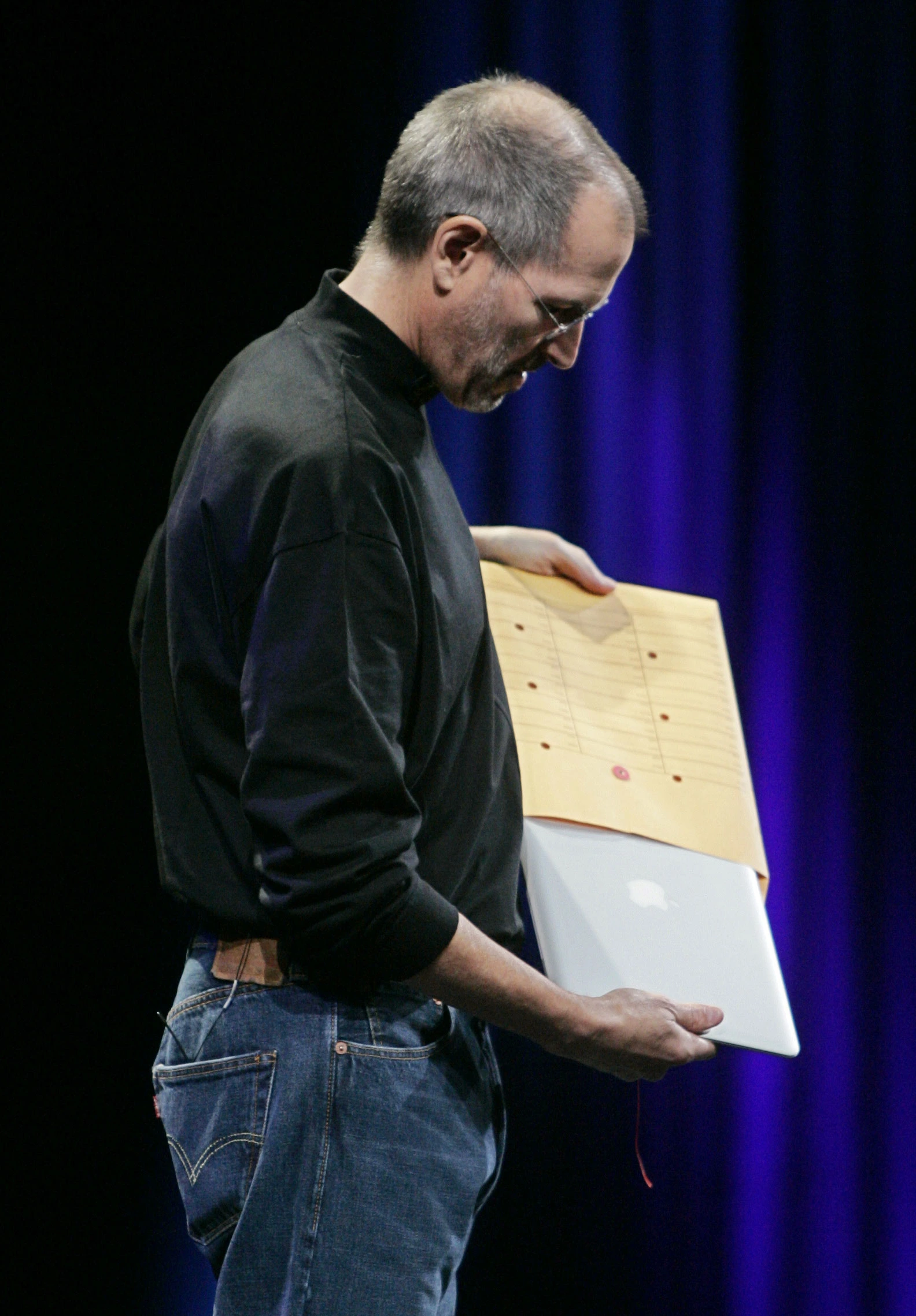
Why Tech Product Reveals Have Lost Their Magic? Remember that electric thrill when Steve Jobs stepped on stage? In 2008, he casually slid the world’s thinnest laptop, the original MacBook Air out of a simple manila office envelope, proving it could fit where nothing else could. Or in 2005, when he reached into the tiny watch pocket of his jeans, pulled out the iPod Nano, and quipped, “Ever wonder what this pocket’s for? Now we know.” The audience erupted. Those moments weren’t just product launches! They were pure magic, theater that made technology feel revolutionary and deeply human.
Our generation grew up seeing and hearing about these stories, but today’s tech reveals? They land with a thud. Pre-leaked specs, predictable announcements, polished but soulless presentations. Where did the wonder go?

Read Previous Tech News: Your AI “Best Friend” Is Leading You Toward Isolation – And Worse
Why Modern Tech Product Feels Predictable and Underwhelming?
You’re not imagining it.. the magic has faded, and it’s hitting our generation hardest.
We live in an era of endless leaks. Months before an Apple event, rumor sites spill every detail – camera specs, chip upgrades, even design renders. By launch day, there’s no surprise left. Recent 2025-2026 cycles saw iPhone and foldable rumors flooding out early, turning anticipation into “yeah, we knew that!”
Updates are incremental, not revolutionary. Back in Jobs‘ day, the iPhone redefined phones, the MacBook Air redefined portability. Now? Bigger batteries, slightly better AI features, minor design tweaks. The industry has matured, groundbreaking leaps are rarer because tech is already advanced. Creating true “wow” in a world of ubiquitous smartphones and laptops is exponentially harder.
Current leaders lack Jobs’ showmanship. Steve was a master storyteller, blending simplicity, drama, and emotion. He turned specs into narratives about changing the world. Today’s CEOs – Tim Cook at Apple, Sundar Pichai at Google, Satya Nadella at Microsoft, are brilliant operators, focusing on efficiency, services, and scale. But they’re not magicians. Cook’s events are professional and data-driven, lacking the theatrical flair that made Jobs’ reveals unforgettable. As one 2026 analysis put it, tech launches feel more like corporate earnings calls than cultural events.
This creates real agitation for young people like us:
- Jaded excitement – We scroll through announcements feeling meh, even for hyped products.
- Lost inspiration – Tech no longer sparks that childlike wonder or dreams of building the future.
- Overexposure burnout – Constant leaks and hype cycles make everything feel commoditized.
The tech giants aren’t conjuring magic because the industry has grown up, surprises are spoiled, innovations are evolutionary, and visionary showmen like Jobs are rare. But does this mean the wonder is gone forever?
The Rediscovery Framework of 5 Steps to Bring Back the Magic in Tech
The good news? We don’t have to accept bland reveals. This simple framework inspired by how Jobs himself approached innovation helps us reclaim that sense of awe, even in today’s mature tech landscape.
- Avoid the Leak Trap – Commit to going “rumor-free.” Unfollow leak accounts, skip sites like MacRumors or Reddit threads. Treat launches like movies.. no spoilers! This restores genuine surprise.
- Focus on the Experience, Not Specs – Shift our mindset from features to feelings. When trying new tech, ask – “How does this make my life better or more joyful?” Jobs obsessed over user delight; emulate that by using products in real life, not just reading reviews.
- Seek Out Bold Innovators – Look beyond big giants. Support startups and smaller companies pushing boundaries –mlike emerging AI hardware or indie gadgets at CES. These often deliver unexpected “envelope moments” because they’re not constrained by massive ecosystems.
- Embrace Nostalgia Mindfully – Rewatch classic Jobs keynotes (they’re all on YouTube). Use them to appreciate storytelling, then apply it.. create own “reveals” when sharing tech with friends, building excitement through narrative.
- Cultivate Personal Wonder – Step away from hype cycles. Explore tech hands-on.. visit stores, tinker with devices, or build projects. Rediscover magic in subtle innovations, like how AI now seamlessly edits photos or enables new creativity tools.
This framework isn’t about forcing excitement, it’s about curating your tech consumption to prioritize delight over data.
From Iconic Magic to Modern Reality And Signs of Hope
Jobs’ reveals set the gold standard. The 2008 MacBook Air envelope stunt emphasized thinness in a visceral way no spec sheet could. The 2005 iPod Nano pocket pull highlighted portability with humor and relatability. These weren’t accidents.. Jobs rehearsed relentlessly for emotional impact.
Contrast with today – Apple’s recent events under Cook focus on polished demos and ecosystem integration, but lack that raw theater. CES 2026 featured AI robots and thin TVs, yet headlines noted predictable announcements amid heavy pre-show leaks. Analyses from 2026 (Lifehacker, WebProNews) echo this, tech feels less magical because maturity breeds predictability.
Yet proof of rediscovery works. People who avoid leaks report higher excitement for launches. Indie successes like Rabbit R1 or Humane AI Pin (despite flaws) sparked real buzz through novelty. Young creators on platforms like TikTok recreate “Jobs-style” unboxings, reigniting personal wonder. When you apply the framework, subtle innovations like spatial computing in Vision Pro can still feel transformative.
Reclaim the Magic Starting Today
Don’t settle for underwhelming tech reveals take control and bring back the wonder.
Right now – Unfollow one leak account and bookmark a classic Jobs keynote to rewatch.
This week – Try the framework on an upcoming launch or new gadget you own. Experience it fresh.
Share this with a friend – Discuss what made Jobs magical and how we can find it again.
Our generation deserves tech that inspires, not just iterates. Start rediscovering the magic today, the envelope moments are still possible.
Read the previous Tech Contents in this blog: Tech Updates