
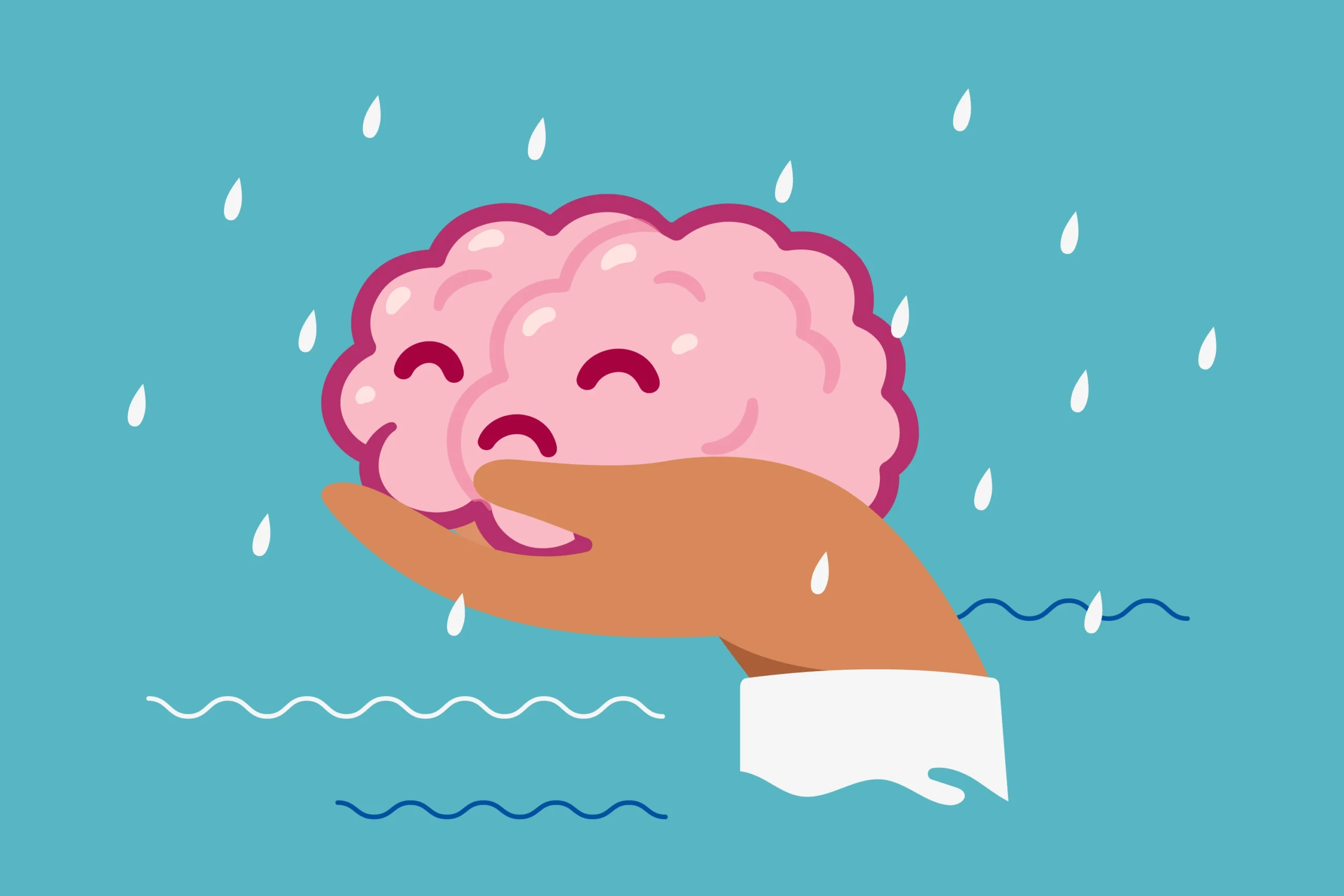
When a cyclone passes, the damage is not only visible in broken homes and flooded streets. It lingers quietly in the minds of those who lived through it. Cyclone Ditwah has left many young people in Sri Lanka and beyond feeling drained, anxious, and uncertain. The truth is simple: recovery is not just about rebuilding houses, it’s about rebuilding emotional strength.
This article is the first in our three-part series on Cyclone Ditwah recovery. Here, we focus on mental health awareness for young people. In the next article, we will move into safety and health guidelines during the return home process.
Why Mental Health Matters After a Cyclone
Disasters disrupt more than infrastructure they disrupt routines, relationships, and the sense of safety we rely on. For Gen Z and millennials, who already juggle digital overload, economic stress, and social expectations, a cyclone adds another layer of emotional strain.
Ignoring mental health during recovery can lead to long-term issues such as anxiety disorders, depression, or post-traumatic stress. Recognizing these challenges early is the first step toward resilience.
Recognizing Stress and Emotional Signals
After Cyclone Ditwah, many young people reported feeling:
- Persistent fatigue even after rest
- Difficulty concentrating on studies or work
- Sudden irritability or sadness
- Withdrawal from friends and family
These are not signs of laziness they are signs of emotional exhaustion. Stress relief after a flood begins with awareness. Naming the feeling “I am anxious,” “I feel overwhelmed” removes shame and opens the door to healing.
The Role of Digital Overload
In the aftermath of disaster, phones become lifelines. News updates, relief information, and social media posts flood our screens. But constant scrolling can worsen anxiety.
Young people often check their phones dozens of times a day, consuming crisis headlines and comparison-driven content. This overstimulation keeps the brain in survival mode, preventing true rest.
Tip: Limit exposure to distressing news. Follow verified sources only. Schedule “digital detox” hours to allow your nervous system to reset.
Supporting Children and Peers
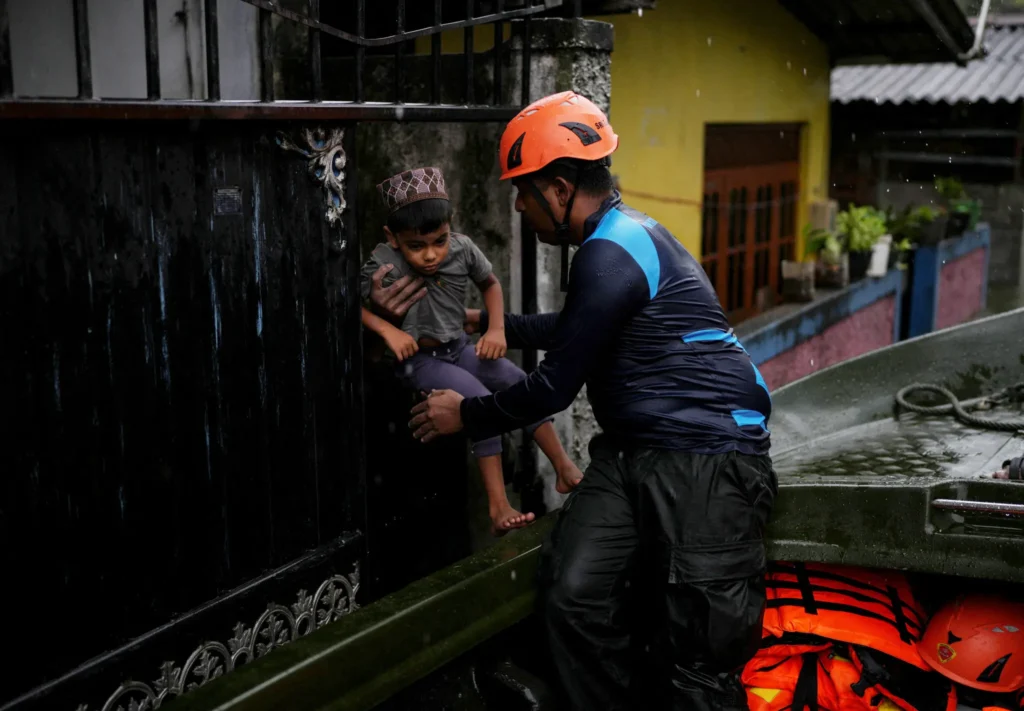
Mental health recovery is collective. Young people can play a vital role in supporting siblings, friends, and peers.
- For children: Encourage play, drawing, or singing. These activities help process trauma. Maintain routines like meals and bedtime to restore stability. Offer reassurance: “We are safe now.”
- For peers: Check in regularly. Sometimes a simple “How are you holding up?” can break isolation.
Building Social Support
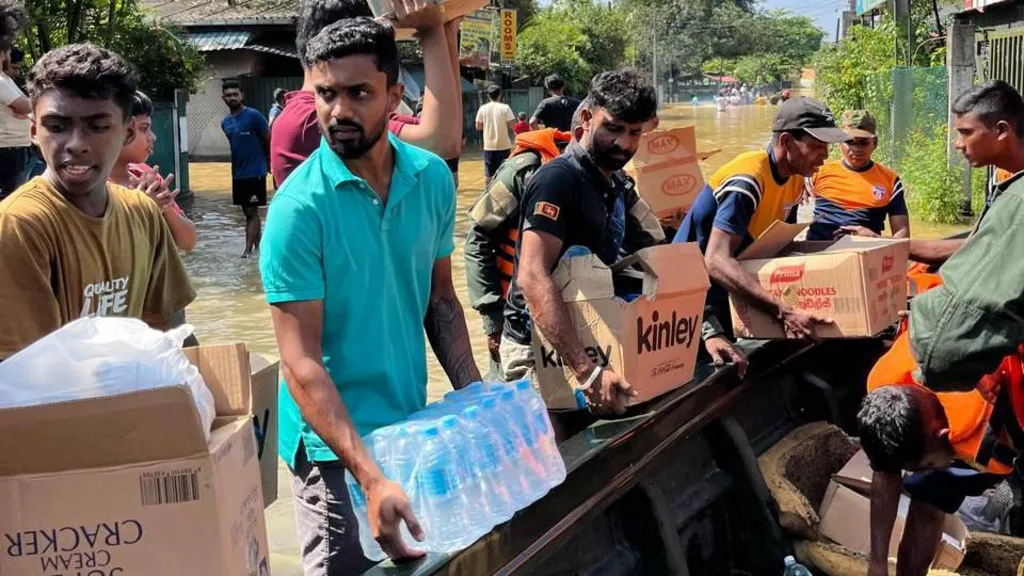
Community healing after disaster is powerful. Talking to trusted friends, neighbors, or mentors reduces isolation. Sharing resources; clean water, food, sanitary supplies, creates solidarity.
Organizing small group discussions allows young people to normalize conversations about stress. When mental health is spoken about openly, stigma fades.
Watch for Warning Signs
While stress is normal, certain symptoms require professional help:
- Persistent sadness or hopelessness
- Severe anxiety or panic attacks
- Withdrawal from family or community
- Loss of interest in daily activities
If these signs appear, seek medical or counseling support early. Counseling services after flood recovery are not weakness—they are strength.
Stress Management Techniques
Practical tools for emotional recovery include:
- Deep breathing: Calms the nervous system.
- Journaling: Provides clarity and release.
- Meditation or prayer: Restores inner peace.
- Physical activity: Walking or stretching reduces tension.
Normalize mental health care. Therapy, peer support groups, or even informal conversations can make recovery sustainable.
Collective Healing and Resilience
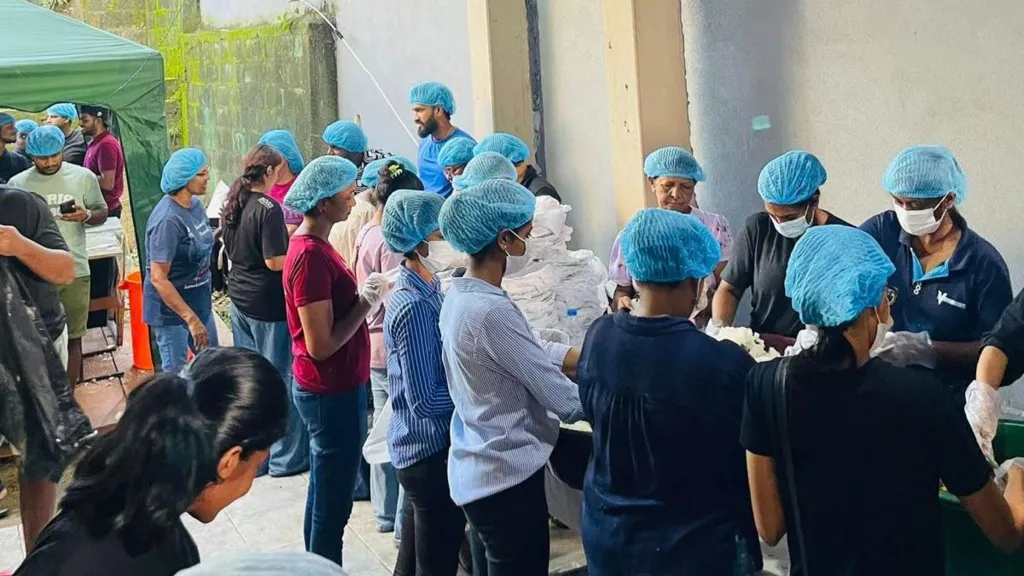
Recovery is not an individual journey, it is collective. Young people can help elderly neighbors, share verified updates, and organize peer-led support circles.
Resilience building after disaster means recognizing that healing is both physical and emotional. Communities that prioritize mental health recover faster and stronger.
Key Message
Cyclone Ditwah recovery is not just about rebuilding homes, it’s about rebuilding emotional strength. For young people, mental health awareness is essential. By recognizing stress, supporting peers, and practicing resilience, communities can heal collectively.
🔗 Continuity
This is Part 1 of our Cyclone Ditwah Recovery Series.
👉 If you’re ready to move from emotional awareness to practical safety, read Part 2: Safety and Health Guidelines for Returning Home After Cyclone Ditwah [link]
Check Learn & Hustle of YoungThare for more on mental health awareness, career and education.