Why anime? Anime was once a niche interest, confined to late‑night TV slots, underground fan clubs, and imported DVDs. Fast forward to 2026, and anime is everywhere streaming platforms, cinema screens, fashion collaborations, and even global music festivals. What was once considered “Japanese pop culture” has transformed into a global mainstream industry, embraced by Gen‑Z and millennials as both entertainment and identity. But how did anime make this leap from subculture to global phenomenon?
Read Previous Article: Why Early 2010s Music Still Feels Timeless
The Streaming Revolution
The rise of streaming platforms was the single biggest catalyst. Services like Netflix, Crunchyroll, and Disney+ invested heavily in anime licensing and original productions. Suddenly, shows that were once hard to access became available worldwide with subtitles and dubs. For Gen‑Z, who grew up with instant access, anime became as easy to watch as any Hollywood series. This accessibility turned anime from a niche into a mainstream choice, expanding its audience far beyond Japan.
Global Storytelling That Resonates
Anime’s appeal lies in its storytelling. Unlike many Western cartoons, anime tackles complex themes: identity, morality, grief, resilience, and even existential philosophy. Shows like Attack on Titan, Death Note, and Your Name resonated globally because they spoke to universal human experiences. Gen‑Z, in particular, connected with anime’s willingness to explore vulnerability and struggle, making it more than entertainment, it became emotional art.
The Power of Fandom and Community
Anime fandom is one of the most passionate communities online. Cosplay conventions, fan art, and TikTok edits have turned anime into a cultural movement. Social media amplified this passion, allowing fans from Tokyo to Toronto to share memes, theories, and tributes instantly. For Gen‑Z, fandom isn’t passive; it’s participatory. Anime thrives because it invites fans to contribute, remix, and celebrate together, creating a sense of belonging that mainstream entertainment often lacks.
Cross‑Industry Collaborations
Anime’s mainstream rise is also fueled by collaborations. Fashion brands like Uniqlo and Gucci have launched anime‑inspired collections. Musicians sample anime soundtracks or reference characters in lyrics. Even sports events feature anime mascots. These cross‑industry partnerships blur the line between entertainment and lifestyle, embedding anime into everyday culture. For Gen‑Z, anime isn’t just something you watch, it’s something you wear, share, and live.
The Cinematic Breakthrough
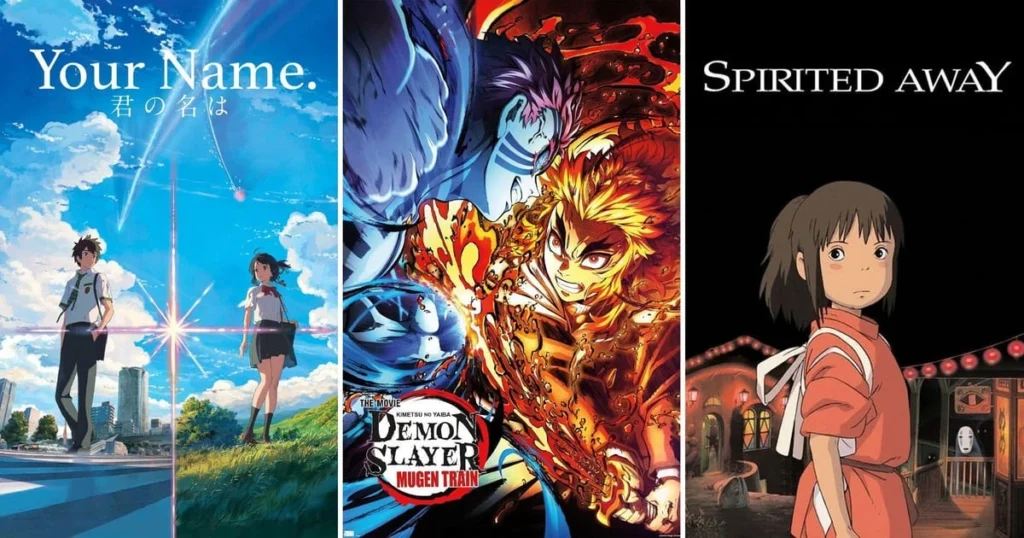
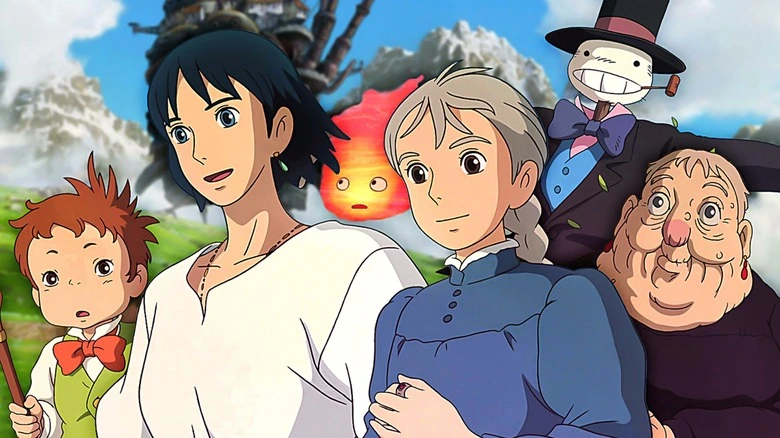
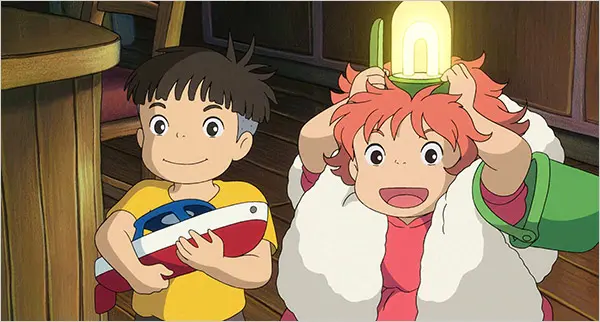
Anime films have shattered box office records worldwide. Demon Slayer: Mugen Train became one of the highest‑grossing films globally, proving that anime could compete with Hollywood blockbusters. Studio Ghibli classics like Spirited Away and Howl’s Moving Castle continue to attract new audiences, while modern hits like Jujutsu Kaisen 0 and Suzume showcase anime’s cinematic power. These successes cemented anime as a mainstream industry, not just a niche genre.
Cultural Identity and Global Appeal
Anime’s rise also reflects a shift in cultural identity. Gen‑Z embraces diversity and global influences, rejecting the idea that entertainment must be Western to be mainstream. Anime’s Japanese roots are celebrated, not hidden, and its cultural specificity adds authenticity. For global audiences, anime offers a window into Japanese traditions, aesthetics, and philosophies, enriching rather than alienating.
The Role of Merchandise and Gaming
Merchandise and gaming have expanded anime’s reach. From collectible figurines to mobile games, anime franchises generate billions in revenue. Games like Naruto Ultimate Ninja Storm or Dragon Ball FighterZ keep fans engaged beyond the screen. For Gen‑Z, who grew up gaming, anime’s integration into interactive media makes it more immersive and enduring.
Why Anime Is Now Mainstream
- Streaming made anime globally accessible.
- Storytelling resonates with universal themes.
- Fandom thrives through social media.
- Collaborations embed anime into lifestyle culture.
- Films compete with Hollywood blockbusters.
- Merchandise and gaming expand engagement.
The Future of Anime in 2026 and Beyond
Anime’s mainstream dominance shows no signs of slowing. With AI‑assisted animation, VR experiences, and global co‑productions, the industry is evolving rapidly. For Gen‑Z, anime isn’t just a genre, it’s a cultural identity, a creative language, and a global community. What was once niche has become universal, proving that anime is not only mainstream but a defining force in global entertainment.
Read Previous Article: Movies That Defined Childhood for the 2000s Generation
Read the Previous Related Contents in Blog: Entertainment