The World Cup 2026 group stage has only just begun, but Matchday 1 already feels like a reminder that football does not care about reputation, squad value or Instagram edits. The big names arrived with pressure, the underdogs arrived with attitude, and some teams who were expected to cruise through their opening games were forced to sit down and rethink everything.
This is not going to be a simple match-by-match scoreboard recap. Everyone can find the scores. This is about what the first round of group-stage matches actually told us.
Who looked serious? Who looked shaky? Which underdogs came to the World Cup refusing to be background characters? Which players used the first match to push their stock higher? And which teams reminded us that the expanded World Cup format may give us more chaos than expected?
Before going into the football mood, here is the basic setup.
World Cup 2026 is hosted by the United States, Canada and Mexico. It is the first edition with 48 teams, making it the biggest men’s World Cup so far. The tournament runs from 11 June to 19 July 2026, with 12 groups of four teams and 104 matches across the full competition. The top two teams from each group qualify for the knockout stage, along with the eight best third-placed teams.
That means the group stage is not just bigger. It is more complicated, more unpredictable and much more open. After Matchday 1, that unpredictability is already showing.
Read the Previous Article: Bayern Munich Win 2025/26 Bundesliga Title – Historic Records, Records Shattered and Champions League Semi-Final Push
World Cup 2026 Matchday 1 Proved One Thing – Reputation Is Not Enough
The first major takeaway from Matchday 1 is simple: the big teams cannot just arrive and expect smaller nations to be impressed.
Spain found that out against Cape Verde. Portugal found that out against DR Congo. Brazil found that out against Morocco. Belgium found that out against Egypt. Even the Netherlands were reminded by Japan that technical quality alone does not close a game.
This is what makes World Cup football different from club football. A team may have better players on paper, but in a World Cup opener, nerves, heat, travel, crowd energy and national emotion can change the entire rhythm of a match.
Matchday 1 was full of that.
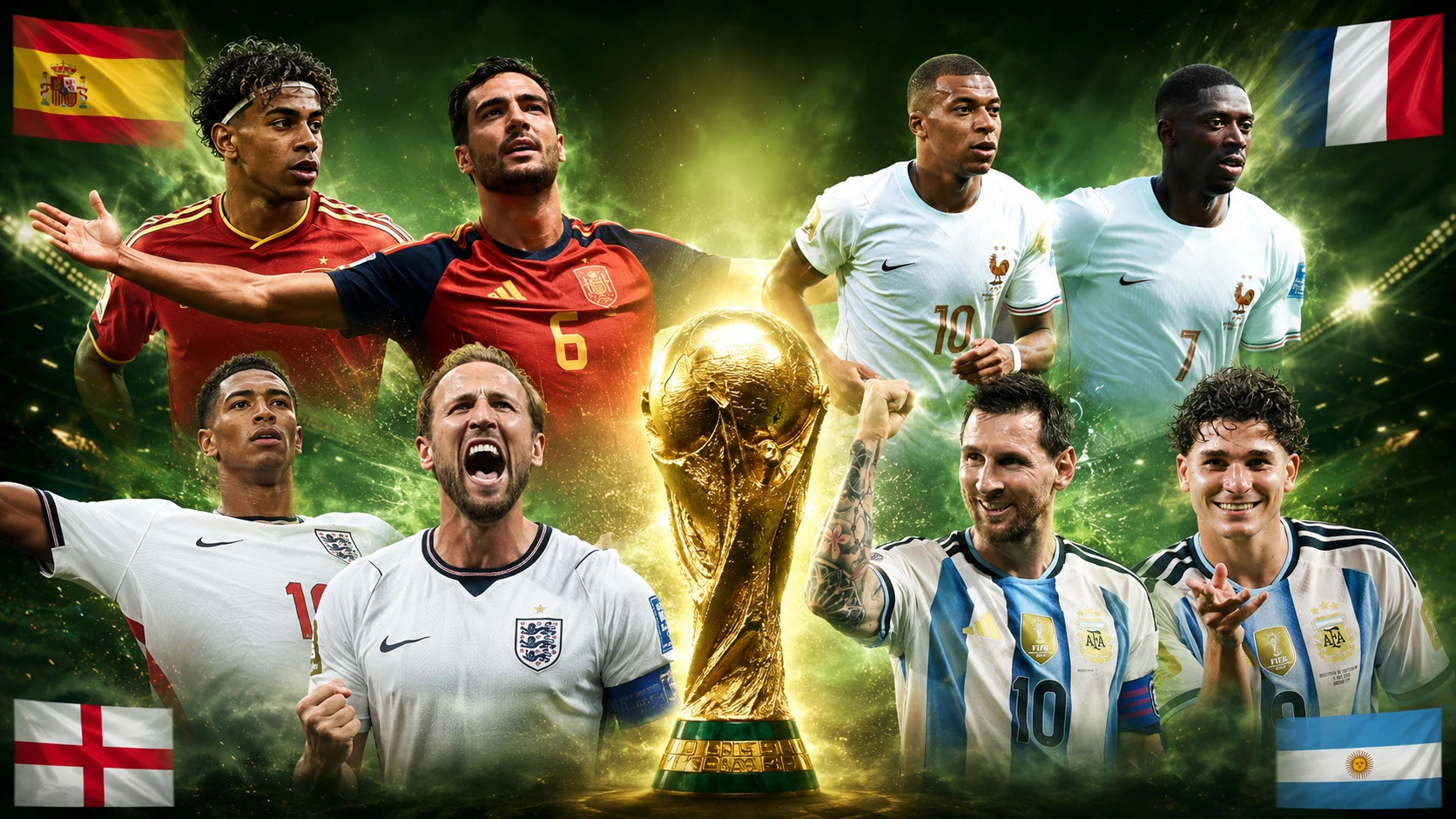
Some favourites made powerful starts. Germany, France, Argentina, England, Sweden and Norway all gave their fans something to believe in. But several major nations left their first match with questions instead of comfort.
And honestly, that is exactly what a good World Cup needs.
The Hosts Had Three Very Different Opening Stories
The host countries had an important opening round because, in a tournament this big, home energy matters.
Mexico started strongly with a 2–0 win over South Africa. It was the kind of opening result that settles nerves quickly. Opening games are emotionally heavy, especially for a host nation, but Mexico handled the pressure well and gave their fans the clean start they wanted.
Canada’s 1–1 draw with Bosnia and Herzegovina was less explosive but still useful. It was not a statement win, but it was not a damaging defeat either. In a group stage where third-place qualification can matter, avoiding a bad start is important.
The United States made the loudest host-nation statement with a 4–1 win over Paraguay. That result immediately changes the energy around the USA. It gives them confidence, goal difference and the kind of early tournament buzz that can pull neutral fans into their story.
So after the first matches, the hosts are not all in the same mood. Mexico look settled. Canada look cautious but alive. The USA look like they want to turn home advantage into a proper football moment.
Germany Sent the Loudest Warning
Let us be real: Germany’s 7–1 win over Curaçao was the match that grabbed attention instantly.
Yes, Curaçao are World Cup newcomers. Yes, we should not pretend one huge group-stage win automatically means Germany are lifting the trophy. But still, 7–1 at a World Cup is not normal. It is loud. It is ruthless. And Germans did it again! It is the kind of scoreline that forces everyone to look.
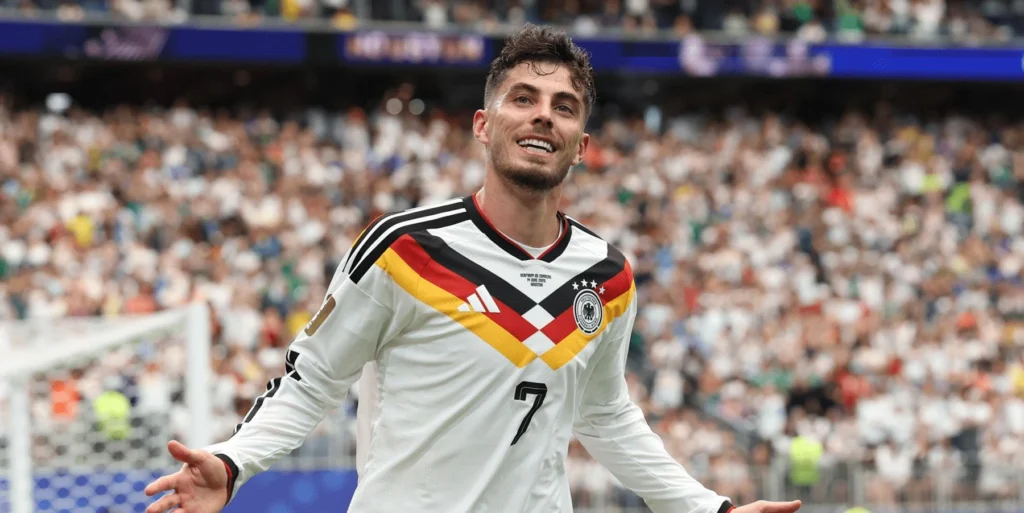
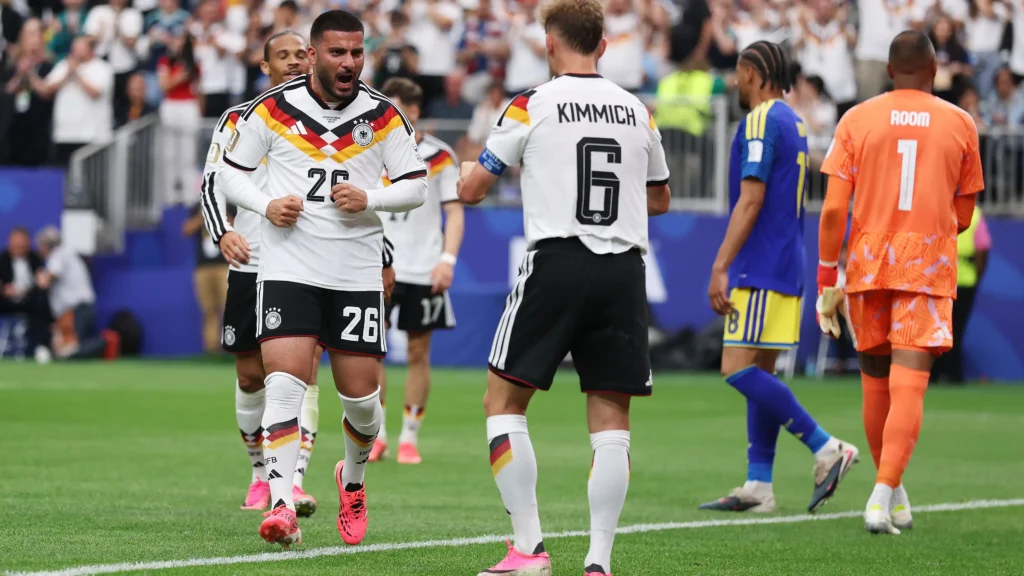
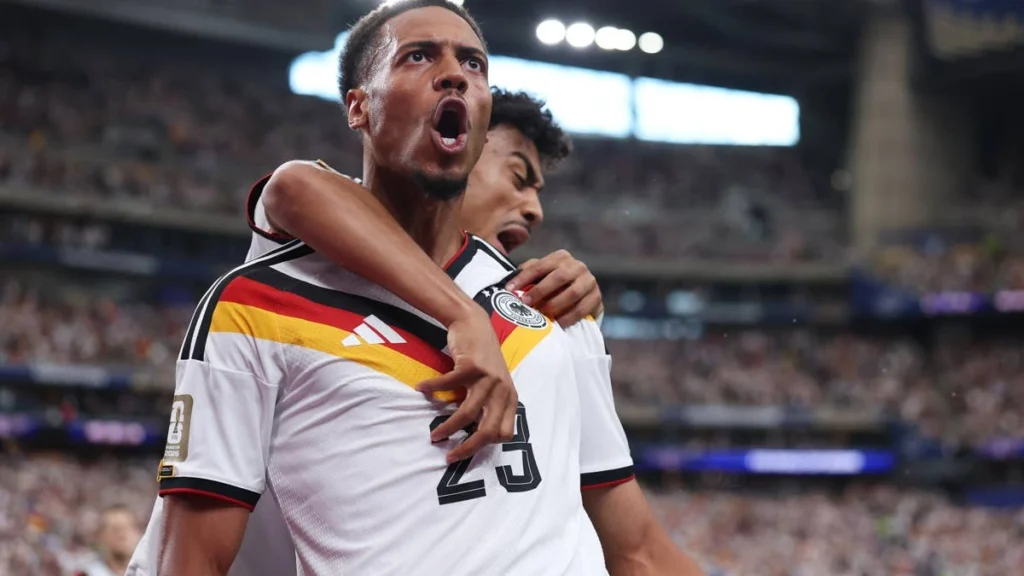
Germany did not just win. They attacked with speed, confidence and a sense of control. Kai Havertz scoring twice will also matter for confidence, because Germany need reliable finishing if they want to go deep in this tournament. Jamal Musiala getting involved adds another layer, because he is one of those players who can turn a safe game into a highlight reel within seconds.
The important thing is balance. Germany fans can enjoy the result, but the real test comes against stronger opponents. Still, as opening statements go, this was the biggest one of Matchday 1.
It said: Germany are here, and they are not planning to be quiet.
France and Argentina Looked Like Tournament Teams
France’s 3–1 win over Senegal was not just about the score. It was about the feeling that France can go through gears. They may not need to be perfect for 90 minutes because they have players who can punish one mistake brutally.
Kylian Mbappé scoring twice was exactly the kind of start France wanted. Big tournaments often need a superstar moment early, and France got theirs. Senegal are not an easy opponent, so winning by two goals gives France a strong first step in a group that still has room for danger.
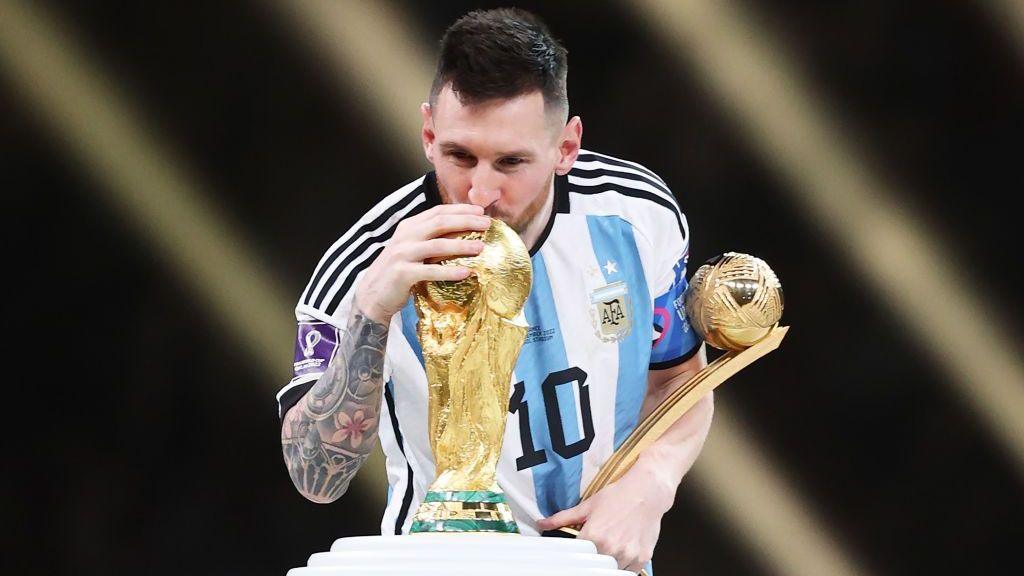
Argentina also made a champion’s start with a 3–0 win over Algeria. The headline, of course, is Lionel Messi. A hat-trick in a World Cup opener at this stage of his career is not just football. It is legacy theatre.
But Argentina’s real strength is that they know how to win tournament matches. They do not always need to look flashy. They understand pressure, rhythm and control. A 3–0 opening win gives them exactly what defending champions need: calm authority.
France looked dangerous. Argentina looked experienced. Both looked like teams who understand the assignment.
England Won Big, But the Defence Still Left Questions
England beating Croatia 4–2 is a strong result on paper. Croatia are not a soft opponent, and England scoring four in an opener will always create hype. Harry Kane scored twice, Jude Bellingham influenced the game, and England’s attacking quality looked serious.
But the scoreline also tells another story.
England conceded twice. Croatia found ways through. There were moments where England looked powerful going forward but slightly too open at the back. That is classic tournament tension: if your attack is good enough, you can win games like this. But if you carry defensive uncertainty into knockout football, eventually someone punishes you.
So England’s opener was both a statement and a warning. They showed enough quality to be taken seriously. They also showed enough vulnerability to keep everyone from fully relaxing.
In other words, very England.
Read the Previous Article: Arsenal Win 2025/26 Premier League Title – Ending 22-Year Wait with Records, Resilience and Arteta’s Vision
Spain’s Draw With Cape Verde Was the Biggest Shock
Spain 0–0 Cape Verde might be the result people remember most from Matchday 1.
Spain came into the match with huge technical quality, elite young talent and the kind of possession game that usually suffocates opponents. Cape Verde came into the tournament as debutants with a completely different kind of pressure: the pressure of representing a football dream for a small nation on the biggest stage.
And Cape Verde did not just survive. They competed.
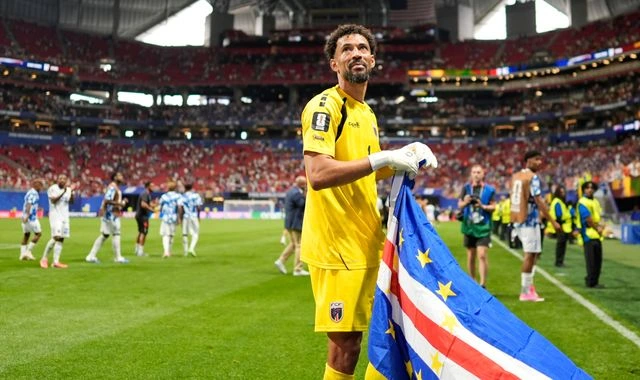
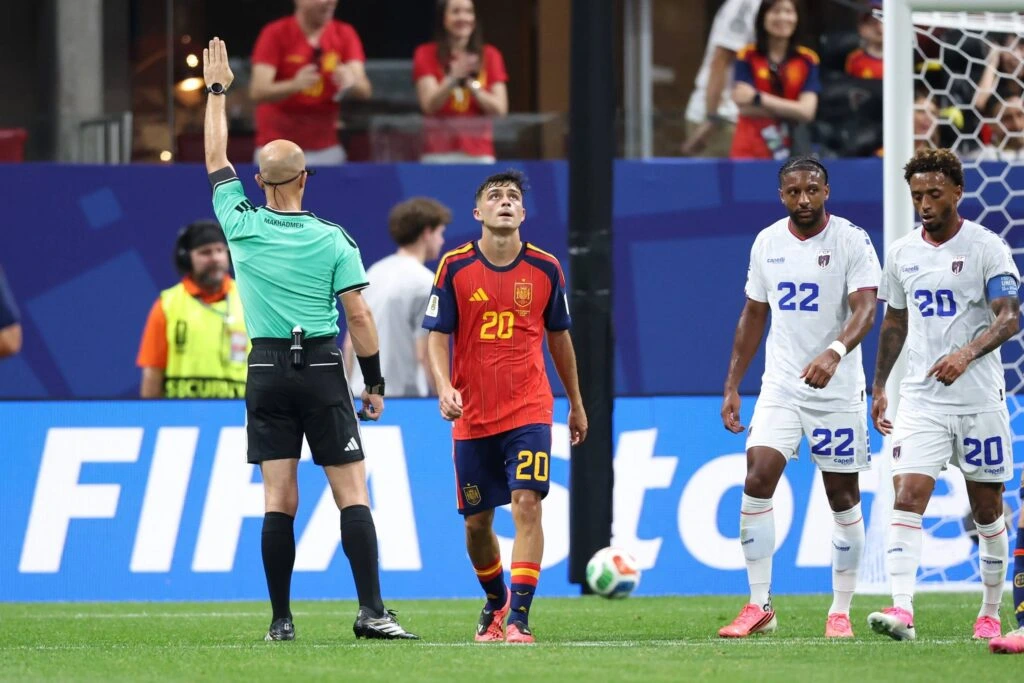
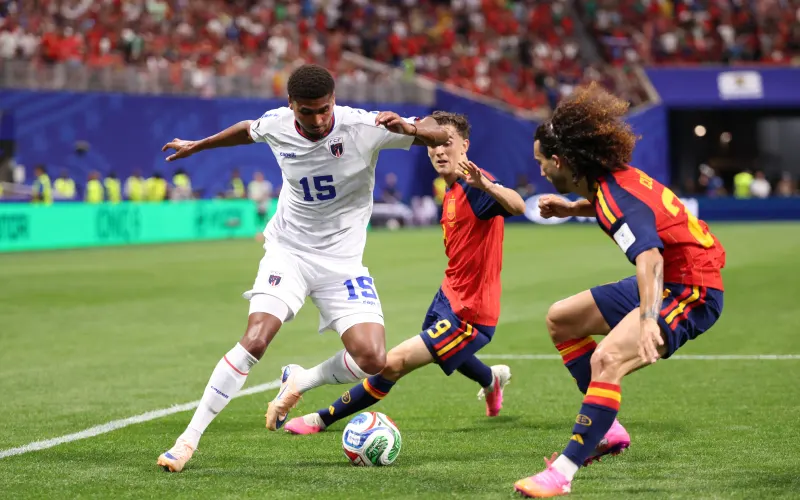
Goalkeeper Vozinha became one of the early faces of the tournament with a massive performance. Spain had the ball, Spain had the names, Spain had the expectation. But Cape Verde had discipline, belief and a goalkeeper who decided this was his moment.
For Spain, it is not panic time. Big teams have slow starts in tournaments. But it is definitely a warning. The group stage is not a training session. Cape Verde made that very clear.
For Cape Verde, this was more than a point. It was identity. It was proof that they belong here.
Portugal’s Draw With DR Congo Changed the Group K Mood
Portugal’s 1–1 draw with DR Congo was another huge Matchday 1 storyline.
Portugal scored early through João Neves, and at that moment it looked like the match might follow the expected script. But DR Congo did not disappear. Yoane Wissa equalised, and suddenly the game became something bigger than a result.
This was DR Congo returning to the World Cup stage and taking a historic point against one of the tournament’s most talented squads. That matters. It gives them belief, changes the group mood and puts immediate pressure on Portugal.
For Portugal, the concern is not that they drew one match. The concern is the lack of control after going ahead. With players like Bruno Fernandes, Bernardo Silva, João Neves, Vitinha, Rafael Leão, Rúben Dias, Nuno Mendes and Cristiano Ronaldo, Portugal have serious quality. But World Cups are not won by names alone.
Portugal now have work to do.
And yes, Ronaldo’s final World Cup storyline will only get louder from here.
Brazil Still Have Questions After Morocco
Brazil 1–1 Morocco was one of the most interesting results of the first round because it did not feel like a random draw. It felt like a tactical warning.
Morocco are not a team anyone should underestimate. They have structure, belief and recent tournament credibility. Against Brazil, they looked confident enough to cause problems and organised enough to make Brazil uncomfortable.
Brazil still had Vinícius Júnior to rescue the result, and individual brilliance is always part of Brazil’s identity. But if you need individual brilliance to save you in Matchday 1, that tells us something too.
Carlo Ancelotti has the aura, and Brazil have the talent. But the early question is whether Brazil have the balance. Can they control midfield? Can they protect transitions? Can they turn talent into tournament structure?
The draw does not end Brazil’s hopes. It simply tells us this may not be a smooth ride.
The Underdogs Were Not Here for Decoration
This is probably the best story of Matchday 1.
Cape Verde held Spain. DR Congo held Portugal. Morocco held Brazil. Egypt held Belgium. Japan fought back against the Netherlands. New Zealand drew 2–2 with Iran. Saudi Arabia took a point against Uruguay.
That is not just a few lucky results. That is a theme.
The expanded World Cup gives more countries a chance, and the first round showed why that matters. Some people worry a bigger tournament reduces quality. But Matchday 1 gave us the opposite argument: more teams can mean more stories, more emotion and more countries turning one match into a national football memory.
Cape Verde were not intimidated by Spain. DR Congo were not intimidated by Portugal. Morocco were not intimidated by Brazil. Japan were not intimidated by the Netherlands.
That is what makes World Cup football addictive.
It is not always about who has the most famous squad. Sometimes it is about who plays like the moment belongs to them.
Sweden, Norway, Australia and Colombia Quietly Raised Their Stock
Not every strong result came from the usual favourites.
- Sweden’s 5–1 win over Tunisia was one of the clearest attacking statements of the opening round. It did not get the same emotional noise as Germany’s 7–1, but it deserves attention. Sweden looked sharp, direct and dangerous. In tournament football, a team that scores five in the opener immediately becomes uncomfortable to face.
- Norway’s 4–1 win over Iraq also matters. This is not just about the score; it is about momentum. Norway have players capable of making this tournament interesting, and a strong opening win gives them belief quickly.
- Australia’s 2–0 win over Turkey was another quietly important result. Turkey losing early is a problem for them, while Australia now have a strong platform in Group D.
- Colombia’s 3–1 win over Uzbekistan also deserves mention. Uzbekistan showed enough to avoid being dismissed, but Colombia had the attacking quality to get the job done. In a group with Portugal and DR Congo already drawing, Colombia’s win immediately becomes valuable.
These are the results that may look simple now but become important when group qualification starts getting messy.
Japan, Egypt and New Zealand Added Real Group-Stage Drama
Some draws are boring. These were not.
- Netherlands 2–2 Japan was one of those matches that reminds everyone how dangerous Japan can be in tournament football. Japan are disciplined, technically good and mentally strong. A late fightback against the Netherlands is not luck; it is personality.
- Belgium 1–1 Egypt also added tension to Group G. Egypt led and forced Belgium into a rescue job. Belgium still have quality, but they looked vulnerable. Egypt looked organised and brave enough to make the group uncomfortable.
- Iran 2–2 New Zealand was another match that may become more important later. A draw like that keeps the group open and gives both teams something to fight for. It also makes Belgium and Egypt’s next matches more interesting because nobody has full control of the group yet.
These are exactly the kinds of results that make Matchday 2 and Matchday 3 dangerous.
Players Whose Stock Rose After Matchday 1
Matchday 1 already gave us several players who pushed themselves into the spotlight.
Kai Havertz had the perfect confidence boost for Germany with two goals in a 7–1 win. For a player who often divides opinion, goals in a World Cup opener are the best answer.
Deniz Undav with one goal and two assists for Germany just did a best job.
Lionel Messi gave Argentina another legacy chapter with a hat-trick against Algeria. At this point, his World Cup story feels like it keeps finding new pages.
Kylian Mbappé started strongly for France with two goals against Senegal, reminding everyone that France have a player who can turn pressure into punishment.
Harry Kane scored twice for England and remains the player they trust most when things get serious.
Vozinha became one of the early emotional heroes of the tournament after Cape Verde’s draw with Spain. Sometimes a goalkeeper performance becomes bigger than a statistic, and this felt like one of those moments.
Yoane Wissa gave DR Congo a historic equaliser against Portugal, turning one goal into a national memory.
Daichi Kamada’s role in Japan’s comeback against the Netherlands also deserves attention, because Japan’s best tournament moments often come from players who stay calm in chaos.
João Neves scored early for Portugal, and while the final result was frustrating for his team, his performance still fits the bigger story of Portugal’s next generation trying to take more responsibility.
What Matchday 1 Really Told Us
The opening round did not decide the World Cup. It never does.
But it did give us clues.
Germany looked ruthless. France looked dangerous. Argentina looked comfortable. England looked exciting but not fully secure. Sweden and Norway looked sharper than many expected.
Spain, Portugal, Brazil and Belgium were reminded that status means nothing if the match becomes uncomfortable. The Netherlands were reminded that Japan do not go away quietly. Uruguay dropped points early. Turkey now have pressure after losing to Australia.
Most importantly, the underdogs changed the mood of the tournament.
Cape Verde, DR Congo, Morocco, Japan, Egypt and New Zealand gave the first round its soul. They made the tournament feel bigger than the favourites. They gave us the reason people watch World Cups beyond the obvious names.
That is the beauty of this competition.
A World Cup is not just about who eventually lifts the trophy. It is about the matches that create belief, doubt, shock and noise along the way.
After Matchday 1, World Cup 2026 already feels alive.
The favourites are still favourites. But they have been warned. The underdogs are not here for decoration!
Read the Previous Related Contents in Blog: Sports