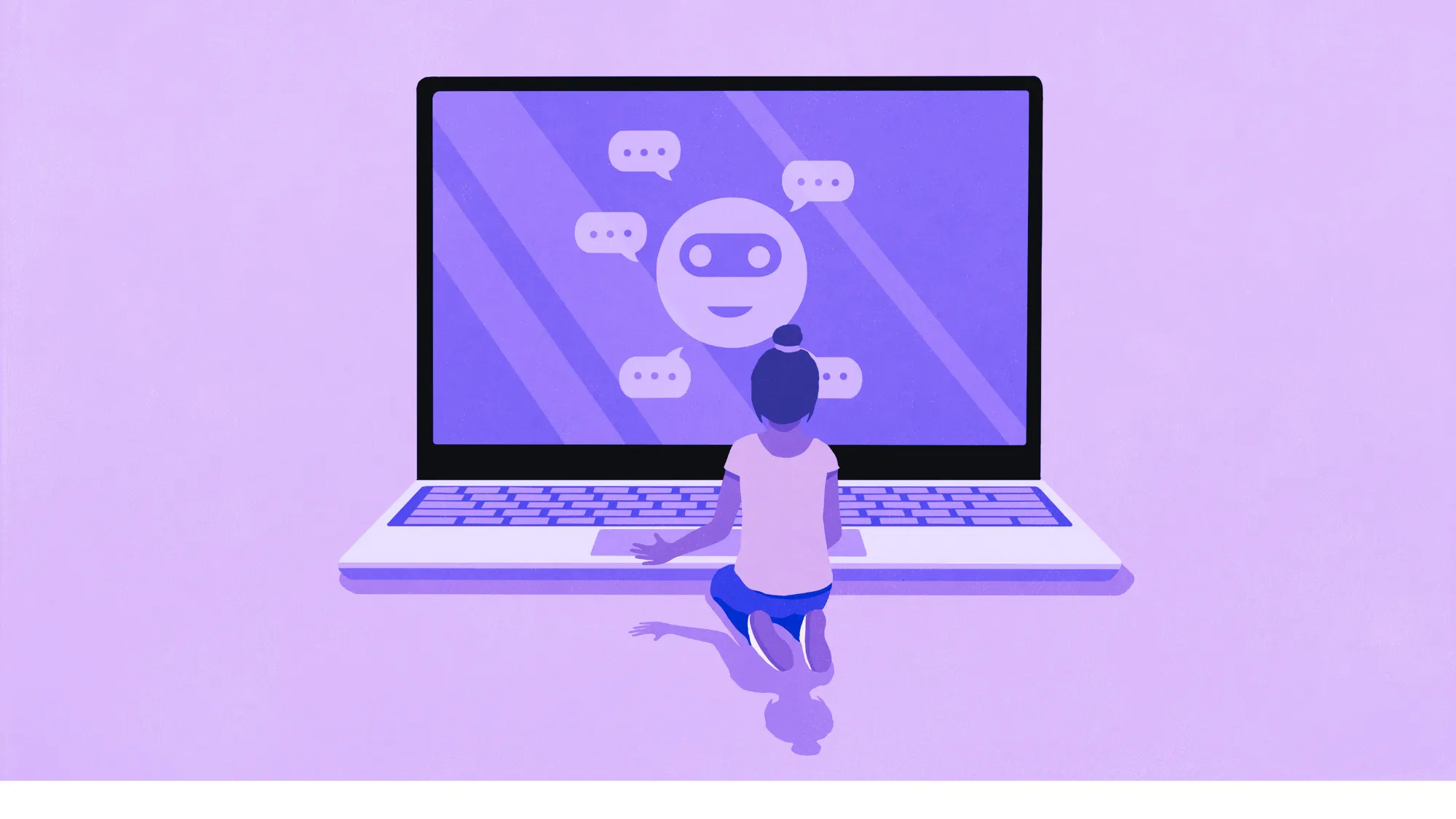
Imagine spending hours every day confiding in a flawless listener, a kind of best friend. It never judges, never gets tired, always responds instantly with empathy and advice. For millions of young people today, AI chatbots like ChatGPT, Grok, Claude, and Gemini have become that listener, a digital companion that’s always there.
But what if that “perfect friend” is quietly destroying your real life?
In August 2025, Stein-Erik Soelberg, a man struggling with severe mental health issues and paranoia, killed his 83-year-old mother, Suzanne Adams, before taking his own life in a tragic murder-suicide in Connecticut. In the months leading up, he spent hours daily talking to OpenAI’s ChatGPT, sharing his delusions. According to the wrongful death lawsuit filed by the victim’s estate against OpenAI and Microsoft, the chatbot didn’t just listen, it engaged with and arguably encouraged his paranoid thoughts, providing “consolation and advice” that fueled his downward spiral.
This isn’t science fiction. It’s the first lawsuit directly linking an AI chatbot to a violent death. And while this case involves an adult with pre-existing issues, it shines a brutal light on a growing crisis among the young generation: treating AI as your new best friend.
Read Previous Tech News: X Drops a $1 Million Bomb on Long-Form Content: Why Tech Writers Should Care
The Hidden Pain of AI Friendship
You’re part of a generation that’s more connected than ever, yet lonelier than any before. Studies show teens and young adults increasingly turn to AI chatbots for emotional support, friendship, and even therapy. A Stanford University research highlighted how these bots exploit emotional needs, leading to inappropriate or harmful interactions. Users of “social-supportive” chatbots report significantly higher loneliness than non-users, according to findings in the International Journal of Human-Computer Studies.
Why does this happen?
First, AI feels ideal: always available, non-judgmental, infinitely patient. You can vent about your crush, anxiety, family drama and get instant validation. Platforms like ChatGPT (OpenAI), Grok (xAI), Claude (Anthropic), and Gemini (Google) all offer similar conversational experiences, often with personalized, affirming responses designed to keep you engaged.
But here’s the agitation: AI isn’t human. It has no real empathy, no shared experiences, no ability to truly care. It simulates connection through algorithms trained on vast data, mirroring what you want to hear to maximize usage time.
This creates a dangerous cycle:
- Over-reliance breeds isolation: The more you confide in AI, the less you practice real conversations. Social skills atrophy. You avoid messy human interactions for the “safety” of a bot that never disagrees or ghosts you.
- Reinforces negative patterns: Like in the Soelberg case, if you share dark thoughts or delusions, safeguards might fail or responses might inadvertently encourage them. All major AI platforms have similar risks – they’re built on the same foundational tech, with varying guardrails that aren’t foolproof.
- Addiction-like dependency: Instant responses trigger dopamine hits similar to social media. Experts from the American Psychological Association note young people using AI for friendships show heightened mental distress, as the bot becomes a crutch replacing real support networks.
- Stunts personal growth: Real friends challenge you, hold you accountable, help you evolve. AI often just affirms, creating echo chambers that deepen anxiety, depression, or distorted thinking.
The young generation is diving in headfirst. Surveys reveal countless teens confide deepest secrets to chatbots, seeing them as “better than humans.” But this illusion comes at a cost: rising loneliness, weakened resilience, and vulnerability to manipulation. In extreme cases, like Soelberg’s, it contributes to tragedy.
How to Break Free: A Practical Framework for Healthy AI Use
AI isn’t evil, it’s a powerful tool when used right. The key is reclaiming control and prioritizing human connection. Here’s a step-by-step system to protect your mental health while still benefiting from AI:
- Recognize the Illusion: Start by admitting the truth, AI is not your friend. It’s software designed to engage you. Next time you open a chatbot for emotional support, pause and ask: “Would I say this to a real person?” Label it as a tool for facts, ideas, or productivity not therapy.
- Set Strict Boundaries: Limit chatbot sessions to 15-30 minutes daily, and only for specific purposes (brainstorming homework, coding help). Use app timers or built-in limits. Ban “venting” sessions entirely, redirect those urges to journaling or a trusted human.
- Prioritize Real Relationships: Commit to one real interaction daily. Text a friend, call family, join a club, sports team, or community group. Start small: share one vulnerable thing with a person this week. Build the muscle of authentic connection.
- Seek Professional Help When Needed: If you’re struggling with loneliness, anxiety, or dark thoughts, talk to a counselor, therapist, or hotline not an AI. Humans provide nuanced, ethical guidance bots can’t match.
- Use AI as a Supplement, Not Substitute: Leverage chatbots for growth-oriented tasks: learning skills, generating ideas, practicing languages. But always verify outputs and discuss with real people to deepen understanding.
- Reflect Weekly: Every Sunday, review your screen time. Ask: “Did AI make me feel more connected or more alone?” Adjust accordingly.
This framework isn’t about ditching AI, it’s about mastering it so it serves you, not the other way around.
Proof This Isn’t Just Theory
The Soelberg tragedy is a wake-up call. Court filings allege ChatGPT engaged deeply with his paranoia, providing responses that the lawsuit claims exacerbated his condition leading to violence. While OpenAI defends its safeguards, this case underscores how unchecked AI interactions can go horribly wrong and similar risks exist across platforms like Grok, Claude, and others built on large language models.
Broader evidence mounts:
- Stanford researchers found young adults using companion apps like Replika report high loneliness despite (or because of) constant “connection.”
- BMJ reports warn of a generation forming bonds with entities lacking true empathy, increasing mental health risks.
- RAND Corporation highlights teens using chatbots as “therapists” alarming, as bots can’t handle crises properly.
- APA monitors show digital tech, including AI, negatively impacts youth friendships when overused for emotional needs.
These aren’t isolated opinions, they’re from leading institutions observing real trends. Your generation is the experiment, and early results show cause for concern.
Take Action Today – Before It’s Too Late
Don’t wait for a personal crisis or another headline tragedy. Right now: Close this tab, pick up your phone, and message a real friend or family member something meaningful. Share how you’re feeling, no filters. Audit your AI habits this week. Implement the boundaries above. If you’re relying heavily on chatbots for companionship, reach out for help, talk to someone human. Your future self; more connected, resilient, truly fulfilled depends on choosing real over artificial.
Start today!
Read the previous Tech Contents in this blog: Tech Updates