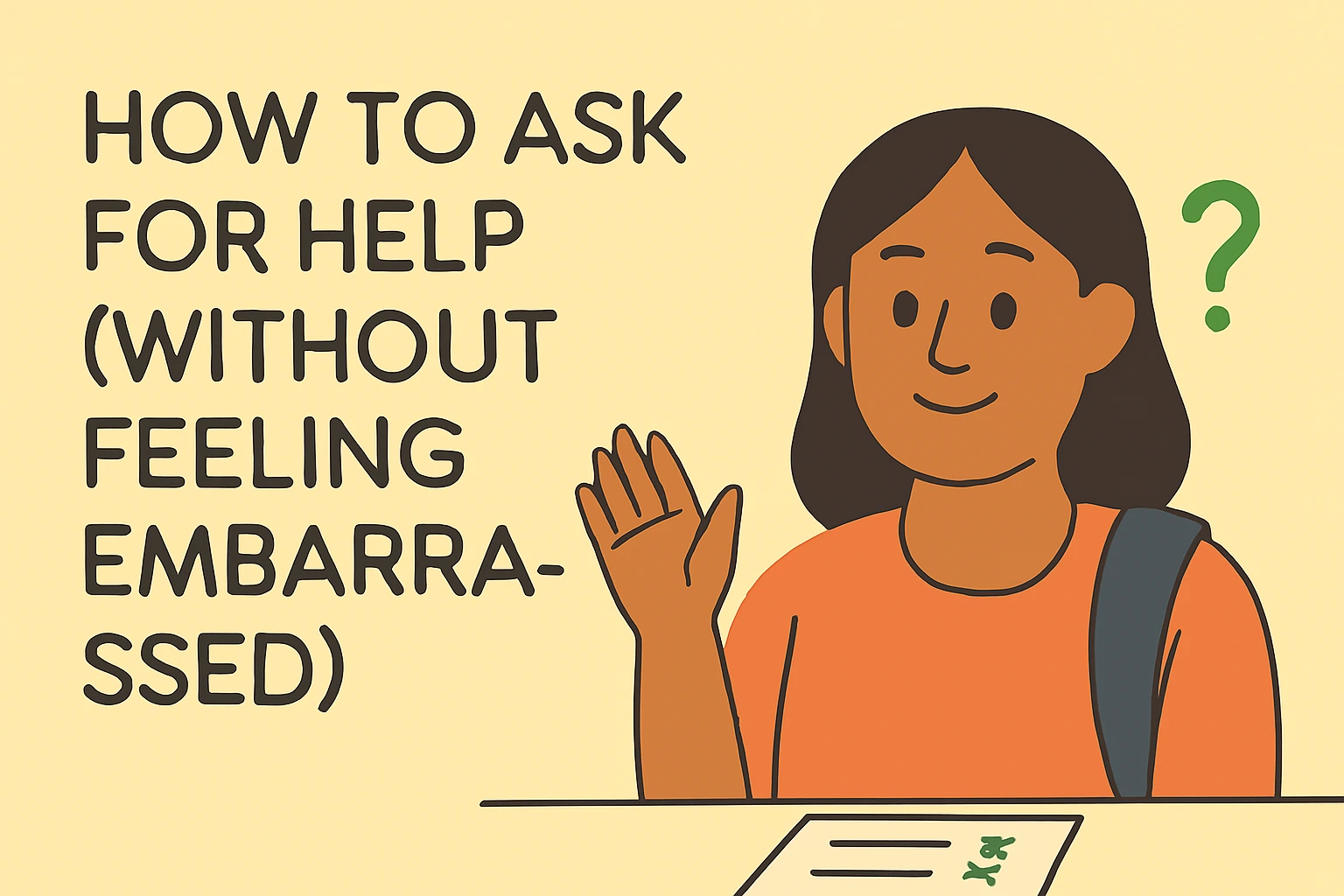
You ask for help.
Not because you’re weak.
But because you’re ready to grow.
So what now?
You’re stuck.
You don’t know what to do next.
You’ve reread the assignment, Googled the job description, stared at the blank screen.
And still.. nothing!
“Read the full series from the start – Part 1: From Campus to Career – What Employers Actually Look For”
First, Let Go of the Shame
We’ve been taught that asking for help means we’ve failed.
That we should figure it out alone.
That smart people don’t need support.
That’s a lie.
Smart people ask better questions.
Brave people admit when they’re stuck.
And strong people know when to lean on others.
Who Can You Ask For Help?
Help doesn’t always come from a professor or HR manager.
It can come from:
- A friend who’s been through it – peers often have recent, relevant experience
- A senior student or alumni – someone who interned last year knows the current landscape
- An online mentor or professional – many experts share advice on LinkedIn and social media
- A peer who’s good at explaining things – sometimes the best teacher is someone who just learned it
- Community groups or youth platforms – like YoungThare, where students support each other
- Online forums and communities – Reddit, Discord servers, and subject-specific groups
- Even a stranger who’s posted something useful – a thoughtful DM can open doors
You don’t need a formal relationship. You need clarity, respect, and courage.
How to Ask (Without Overthinking)
Here’s a simple structure:
- Start with context: “I’m applying for my first internship and I’m stuck on how to write the CV.”
- Be specific: “Could you share an example or tip that helped you?”
- Respect their time: “Totally okay if you’re busy, I just thought I’d ask.”
That’s it.
No long apologies. No self-doubt paragraphs. Just clarity and kindness.
What If They Don’t Reply?
That’s okay.
People are busy.
It doesn’t mean you were wrong to ask. It just means you try someone else.
Asking for help is not a one-time event. It’s a practice.
The more you do it, the easier it gets.
What Kind of Help Can You Ask For?
- Feedback on your CV or portfolio
- Advice on choosing a career path
- Help understanding a concept or assignment
- Tips for interviews or applications
- Emotional support when you’re overwhelmed
- Guidance on where to start
You don’t have to ask for everything at once.
Just start with one question. One moment. One step.
How to Receive Help Well
When someone helps you:
- Say thank you
- Let them know how it helped
- Stay in touch if it feels right
- Offer help back when you can
Help is a two-way street.
Even as a student, you have something to offer; your perspective, your energy, your gratitude.
Final Thought
Asking for help isn’t weakness.
It’s wisdom.
It’s connection.
It’s how we grow, together.
So if you’re stuck, unsure, or overwhelmed…
Ask.
And the moment you reach out, you’ll discover something powerful: most people genuinely want to help. They remember being in your shoes. They know what it’s like to struggle and feel lost.
Your question might even make their day, because helping others reminds us of our own progress and value.
Ready to Take Action?
Start here:
- Identify one thing you’re currently stuck on
- Write down 3 people who might be able to help
- Draft a simple message using the formula above
- Send it before you overthink it
And remember: at YoungThare, we’re building a community where asking for help isn’t just accepted, it’s celebrated.
Need support right now? Join our community, share your challenge, and discover that you’re never alone in this journey.