Gracias por todo, Capitán 🩵🤍
Messi is retired. Those three words feel strange, heavy and almost impossible to write, even if the full truth is more specific: Lionel Messi has retired from international football, bringing his Argentina career to an end after more than two decades in the blue and white shirt. At 39, after 207 appearances and 125 goals for his country, Messi leaves the international stage as Argentina’s record appearance-maker, record goalscorer and one of the defining footballers the World Cup has ever known.
This is not the end of Messi as a footballer, because his club career with Inter Miami continues. But this is the end of Messi with Argentina, and that is why the news hits differently. Club football gave him records, trophies and week-to-week genius, but Argentina gave his career its deepest emotional story: pressure, pain, rejection, comeback, redemption and finally peace.
The farewell has already become bigger than a normal retirement announcement. Argentina’s football authorities announced that matches across the country would pause in the 10th minute for a 60-second tribute to Messi, a gesture built around the shirt number that became part of his identity. That alone says everything about what he became to Argentine football: not just another great player, but the player a whole football culture stopped to applaud.
Messi’s journey began far away from the global spotlight, in Rosario, where football was never just a sport but a daily language. He came through Newell’s Old Boys before moving to Barcelona at 13, a decision that changed not only his life but the future shape of the game itself. Barcelona’s own records describe him as their ultimate record-setter, the player who arrived as a teenager and left as the club’s all-time reference point.
By the time he became Barcelona’s No. 10, Messi was no longer a promising talent. He was football’s weekly miracle. He did not play like the game was difficult; he played like he had found a private route through it that nobody else could see. Defenders rushed, midfielders panicked, goalkeepers guessed, and Messi kept making the hardest things look almost rude in their simplicity.
His Barcelona numbers still look fictional even now. Across his time at the club, Messi became Barcelona’s leading appearance-maker, top scorer, leading assist provider and most decorated player, with 778 appearances, 672 goals, 305 assists and 35 trophies listed by the club. Those are not just statistics; they are the shape of an era that made millions of fans arrange their weekends around one left foot.
But the Argentina shirt was different. With Barcelona, Messi was loved almost without conditions. With Argentina, he was asked to carry history, geography, politics, Diego Maradona’s shadow, public frustration and the impossible expectation that genius must always end in a trophy. For years, even when he was Argentina’s best player, every failure somehow became a Messi argument. That is what makes this retirement so emotional.
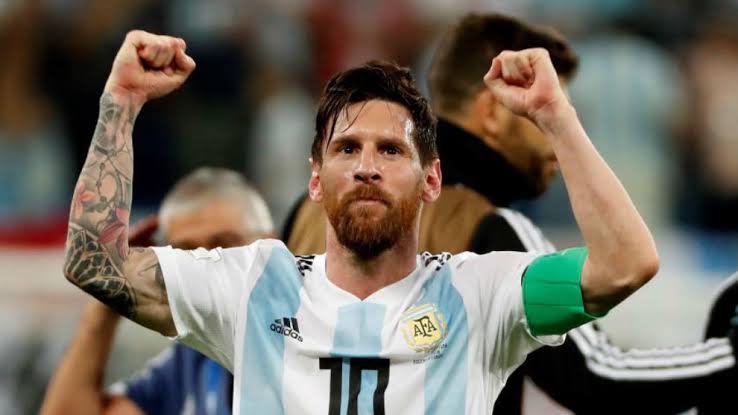
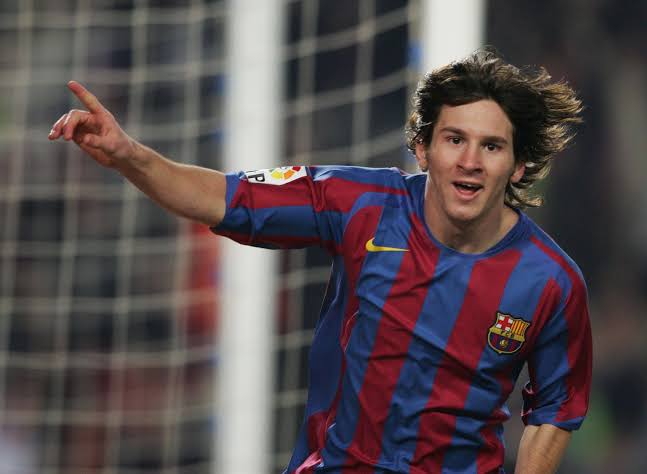
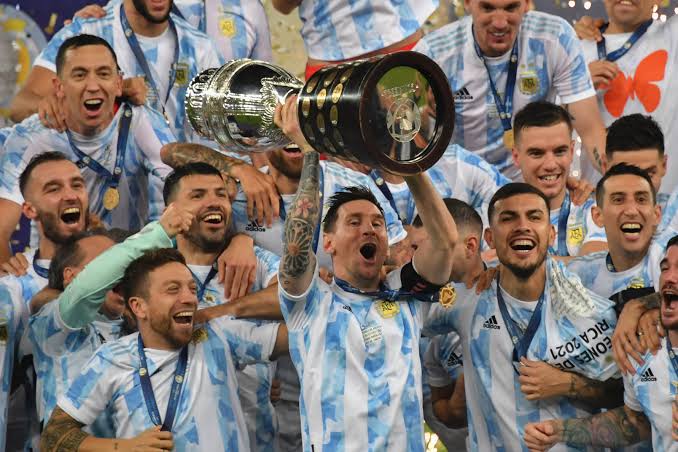
Messi is retired – Messi’s Argentina story was not a straight road to glory
It had the 2014 World Cup final heartbreak, repeated Copa América disappointments and the painful 2016 retirement that felt, at the time, like a genius pushed too far by expectation. He returned, of course, because the story was not finished, but that first goodbye showed how heavy the shirt had become.
Then came the great turn. The 2021 Copa América changed everything because it gave Messi his first senior international trophy with Argentina, and it came in Brazil against Brazil at the Maracanã. CONMEBOL’s own account of that title describes Argentina ending a 28-year wait for a major international trophy, and for Messi, it felt like the moment a nation finally exhaled with him instead of only demanding from him.
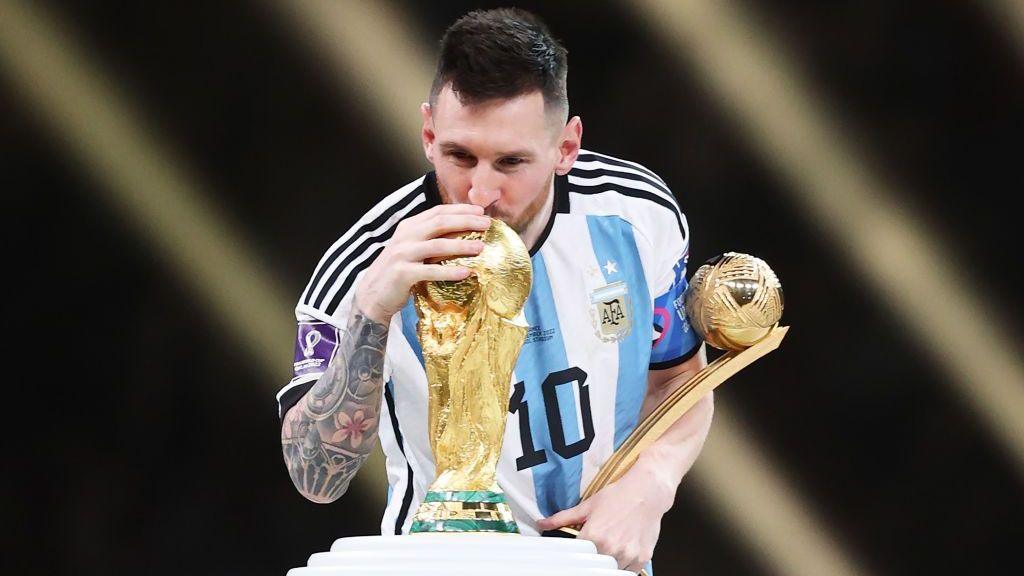
Once that weight lifted, Messi’s Argentina became something freer, warmer and more dangerous. The Finalissima followed, then Qatar 2022 delivered the image many fans had waited their whole lives to see: Messi lifting the World Cup. FIFA recorded that Argentina beat France on penalties after a 3-3 final, with Messi scoring twice in one of the greatest matches the sport has ever produced.
That World Cup did not simply complete Messi’s trophy cabinet. It changed the tone of his entire legacy. Before Qatar, people still found ways to argue around him; after Qatar, those arguments started to sound tired. He had carried the technical beauty, the numbers, the longevity and finally the one trophy critics kept using as the last locked door.
Even after Qatar, Messi did not vanish from international football. Argentina won the Copa América again in 2024, becoming back-to-back continental champions, and Messi remained part of a team that had learned how to suffer and win together. That late-career Argentina period mattered because it showed something beautiful: Messi was no longer playing only to prove himself, he was playing inside a team that understood him.
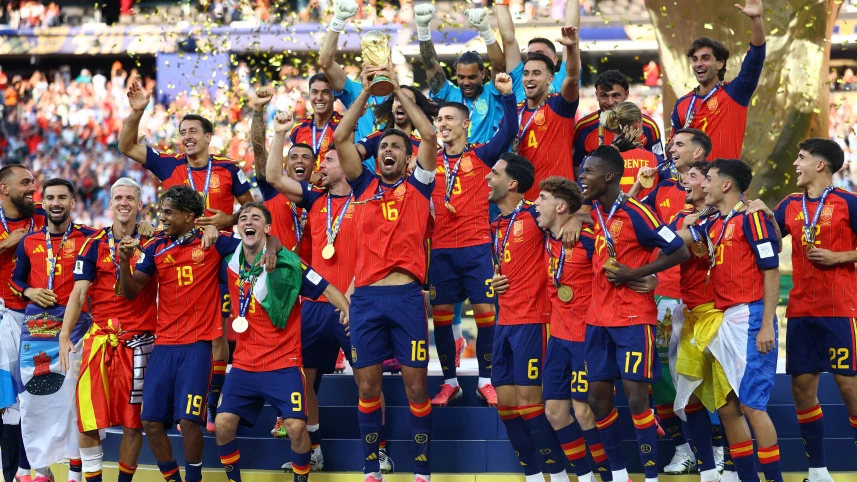
The 2026 World Cup gave him one last global run. It did not end with the perfect final scene, because Argentina lost the final to Spain, but Messi still extended his World Cup story beyond what most footballers could even imagine. FIFA noted that he announced his international retirement on 31 August 2026, after a World Cup career that included the 2022 title and 21 goals at the tournament.
There is something almost cruel about Messi’s international career ending without one final trophy lift. But maybe that is also why it feels real. Football rarely gives clean endings, even to its greatest artists. What Messi received instead was something more important: he left with the love that had once been complicated, the gratitude that had once been delayed and the certainty that Argentina finally understood what it had been watching all along.
His individual honours will always be part of the conversation. Eight Ballon d’Or wins, record-breaking FIFA recognition, Golden Shoes, club trophies, international trophies and World Cup records all belong to the Messi museum now. But numbers alone cannot explain the way he changed football’s emotional rhythm, because Messi was not just a player people admired; he was a player people protected in arguments like he was part of their own childhood.
For Barcelona fans, he was the golden age. For Argentina fans, he became redemption. For neutral fans, he was the reason to watch a match that otherwise had nothing to do with them. For a generation of young players, he made size feel irrelevant, silence feel powerful and creativity feel like the most dangerous weapon on the pitch.
There will be other great players, because football always produces the next obsession. There will be faster players, stronger players, louder players and maybe even players who break some of the records he leaves behind. But there may never be another footballer whose career carried this exact mix of beauty, pressure, heartbreak, patience and final release.
Messi is retired from Argentina duty, and that means international football has lost one of its central characters. The next World Cup will move on, as football always does, with new stars, new rivalries and new countries believing their moment has arrived. But for anyone who watched the Messi era properly, something will feel missing when Argentina walk onto a pitch without that No. 10 shape waiting between the lines.
His story did not end as a fairy tale every time. It ended as something bigger: a full football life in one shirt, with all the pain, criticism, magic and glory included. Messi gave Argentina more than goals and trophies; he gave them an era, and now that era has finally closed.
For more than 20 years, the question around Messi and Argentina kept changing. Could he handle the pressure? Could he win with the national team? Could he step out of Maradona’s shadow? Could he deliver the World Cup? Now the questions are over, and the answer is simple enough for football history to keep forever.
Messi is retired.
Argentina will never forget him.
Football will never replace him.
Read the Previous Related Contents in Blog: Sports