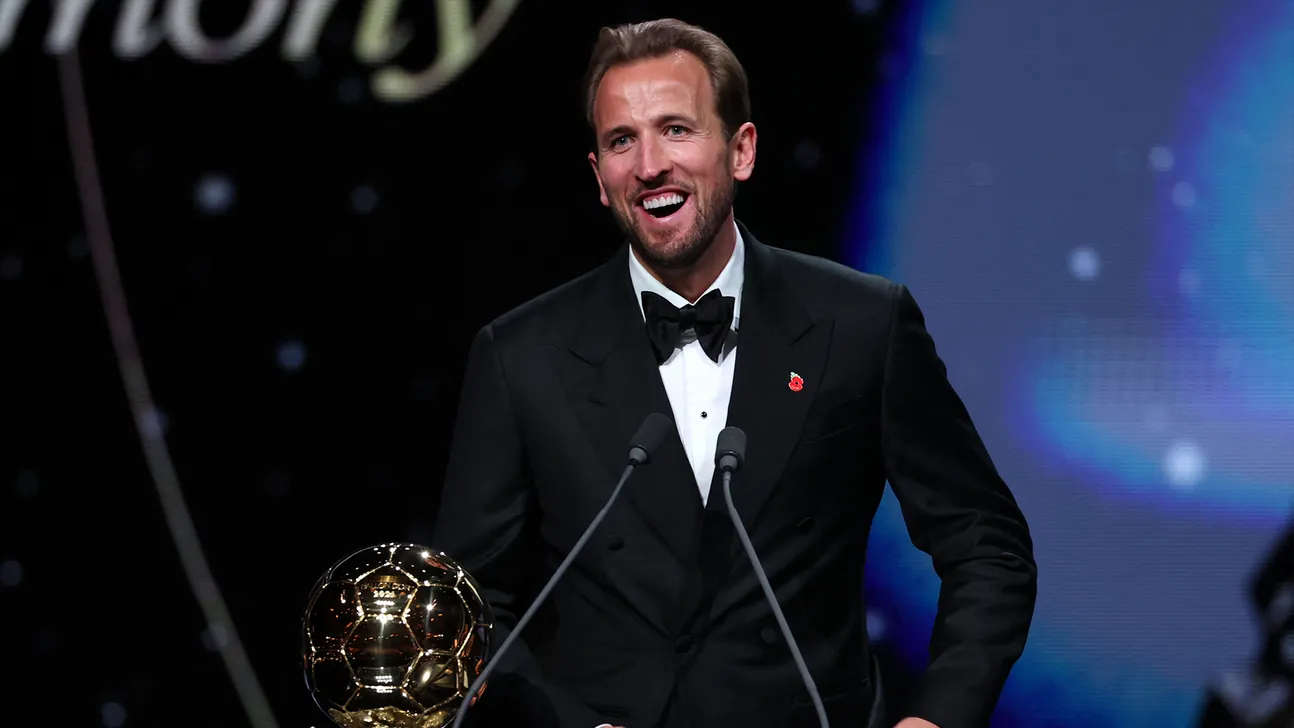
Harry Kane Ballon d’Or 2026 – For years, Harry Kane had almost everything a great striker could ask for, except the trophies that so often define a footballer’s legacy. He scored hundreds of goals, became Tottenham Hotspur’s greatest goalscorer and established himself as England’s captain, yet major team honours continued to escape him. On 26 October 2026, that long and sometimes frustrating journey reached another extraordinary milestone when he won the 2026 Men’s Ballon d’Or at London’s Palladium Theatre. At 33, Kane had finally received football’s most prestigious individual award, becoming the first Englishman to win it since Michael Owen in 2001.
His victory came after a remarkable season with Bayern Munich and England, but the achievement becomes more meaningful when you look back at how his career began. Kane was not always regarded as a future superstar, and his early years involved rejection, uncertain opportunities and several loan moves. Even after becoming one of Europe’s most reliable goalscorers, he continued to face questions about his lack of major trophies. His Ballon d’Or victory is therefore as much a story about the years before success as it is about the moment itself.
Harry Kane’s childhood: Rejection came before recognition
Born on 28 July 1993 in Walthamstow, London, Kane grew up in Chingford, where football became part of his everyday life. He played with his father and older brother, joined local grassroots club Ridgeway Rovers and grew up admiring David Beckham, who had also played for the same club. But Kane’s early football development was far from straightforward. He spent time in Arsenal’s youth setup before being released at around nine years old.
In his own account of his early football journey, Kane recalled returning to Ridgeway Rovers after Arsenal let him go. Tottenham initially declined to take him following a trial, but he later impressed while playing for Watford against Spurs, scoring a hat-trick that helped change their decision. He eventually joined Tottenham at the age of 11. Those experiences are a reminder of how difficult it can be to judge a young player’s future while they are still developing.
Four loan clubs before Tottenham finally became home
Joining Tottenham did not immediately lead to regular first-team football. Kane spent time on loan at Leyton Orient, Millwall, Norwich City and Leicester City, gaining experience in different competitive environments while trying to establish himself. These were valuable but uncertain years for a young striker who had yet to secure a permanent place in Tottenham’s senior team. There was no guarantee that he would eventually become the player the football world knows today.
His breakthrough gradually arrived during the 2013/14 season, followed by a much stronger campaign in 2014/15. Under Mauricio Pochettino, Kane became increasingly important to Tottenham’s attack, finishing that season with 31 goals in all competitions. He also made his senior England debut in March 2015 and scored just 79 seconds after coming on against Lithuania. According to Tottenham’s official retrospective of his career, that period marked the beginning of his transformation into one of the club’s most important players.
Becoming a Tottenham legend without winning the trophies he wanted
Over the following years, Kane developed into one of the Premier League’s most consistent forwards. He won the Premier League Golden Boot three times, in 2015/16, 2016/17 and 2020/21, and continued improving his contribution beyond goalscoring. During the 2020/21 season, he also finished with the most assists in the league, winning both the Golden Boot and Playmaker awards. By 2023, he had surpassed Jimmy Greaves to become Tottenham’s all-time leading goalscorer with 280 goals.
Yet the trophies remained missing. Tottenham reached the 2019 UEFA Champions League final but lost to Liverpool, while Kane also experienced disappointment in domestic cup finals. With England, he won the Golden Boot at the 2018 World Cup but experienced further heartbreak in the European Championship finals of 2021 and 2024. The individual achievements kept growing, while the major team honours he wanted remained beyond reach.
Bayern Munich: The move that changed his career
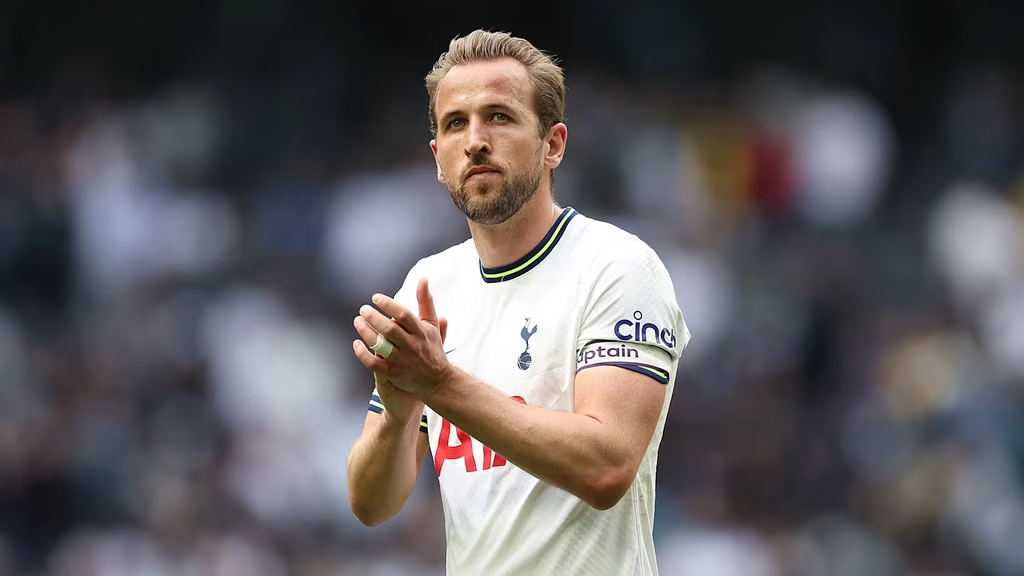
In August 2023, Kane left Tottenham for Bayern Munich, choosing a new challenge in German football after spending most of his professional career in north London. His first season was individually successful, but Bayern finished without a major trophy. For a player whose career was frequently discussed in terms of his missing silverware, the pressure only intensified. Even a transfer to one of Europe’s most successful clubs had not immediately changed that part of his story.
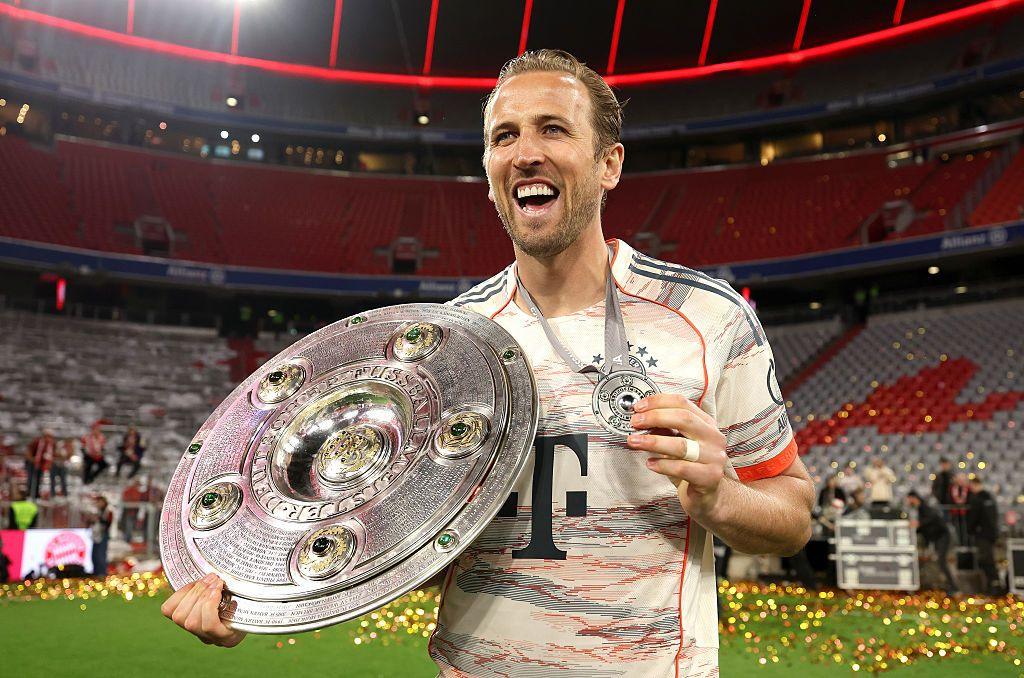
The breakthrough came in May 2025, when Bayern won the Bundesliga and Kane finally celebrated his first major club title. He scored 26 league goals that season, claimed another Bundesliga top-scorer award and was named the league’s Player of the Season. The Bundesliga’s report on his first major title captured a long-awaited moment in his career. After years of impressive performances without a major team trophy, Kane finally had something tangible to show for his contribution to a championship-winning side.
Harry Kane Ballon d’Or 2026: The season that made history
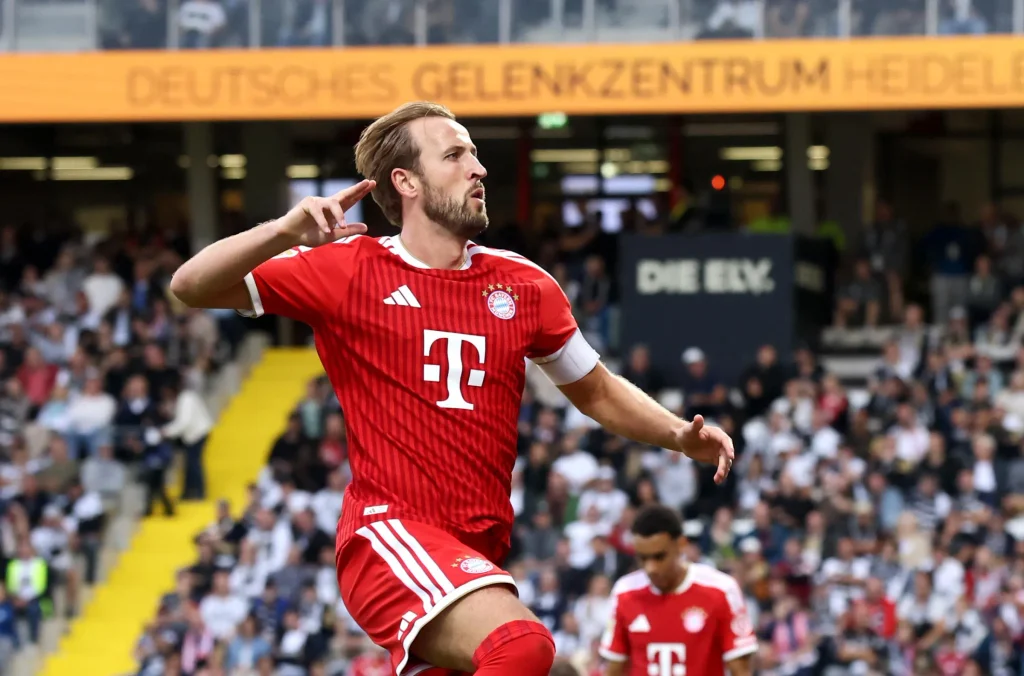
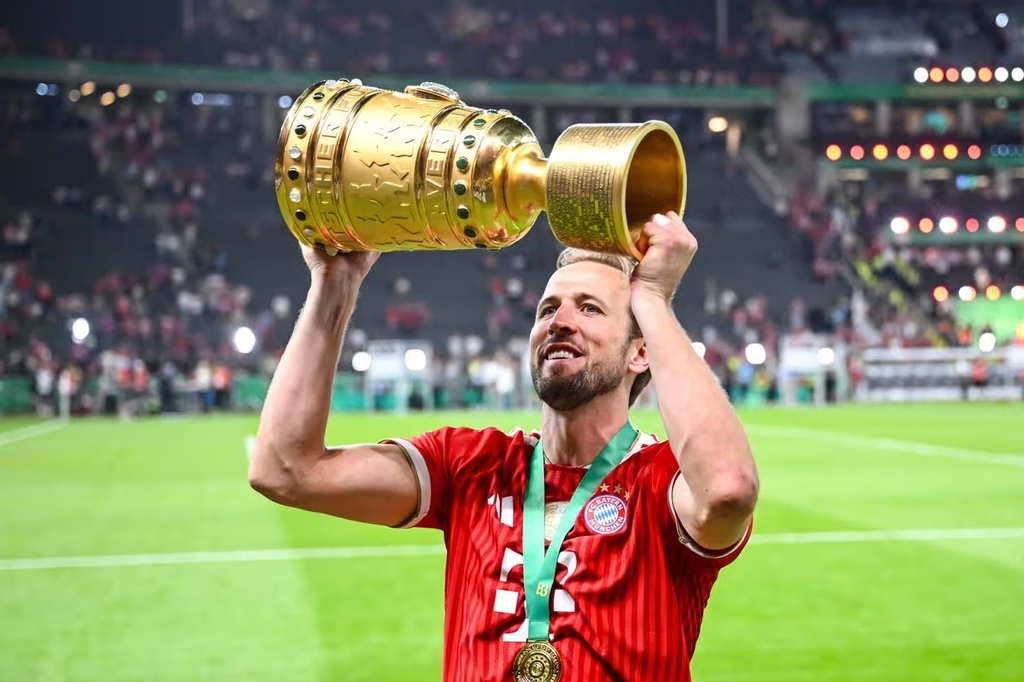
If the 2024/25 season ended Kane’s long wait for a major trophy, 2025/26 took his career to another level. He scored 73 goals in 65 appearances for Bayern Munich and England, adding eight assists across the campaign. Of those goals, 61 came for Bayern and 12 for England, including six at the 2026 FIFA World Cup. His performances helped Bayern retain the Bundesliga title, win the DFB-Pokal and claim the German Supercup, while England finished third at the World Cup.
Harry Kane’s 2025/26 season in numbers:
| Achievement | Record |
|---|---|
| Total appearances | 65 |
| Total goals | 73 |
| Total assists | 8 |
| Bundesliga goals | 36 |
| UEFA Champions League goals | 14 |
| DFB-Pokal goals | 10 |
| England goals | 12 |
| Major Bayern honours | Bundesliga, DFB-Pokal, German Supercup |
Kane’s 36 Bundesliga goals earned him a third consecutive league top-scorer award, while his 14 Champions League goals helped Bayern reach the semi-finals. His performance throughout the campaign also earned him the European Golden Shoe. The Bundesliga’s detailed analysis of his 2025/26 season shows just how exceptional his goalscoring record had become. After years of being recognised as an outstanding striker, Kane had produced the kind of season that placed him firmly among the leading contenders for the Ballon d’Or.
The night England’s 25-year Ballon d’Or wait ended
At the 70th Ballon d’Or ceremony in London, Kane finished ahead of Real Madrid’s Kylian Mbappé and Barcelona’s Lamine Yamal to claim the men’s award. He became only the fifth Englishman to receive the honour, joining Stanley Matthews, Bobby Charlton, Kevin Keegan and Michael Owen. He also received the Men’s Striker of the Year award, adding another individual distinction to his remarkable season. The official UEFA announcement confirmed his historic achievement.
During his acceptance speech, Kane thanked his Bayern teammates, England colleagues, former Tottenham coaches, supporters and family, especially his wife Katie Kane, who has been with him from his childhood. He spoke particularly warmly about Tottenham, recognising the role the club had played since he joined as a child. He also reflected on his difficult route into professional football, telling young players that his own journey had not been straightforward. His remarks following the award offered a rare opportunity to hear the footballer himself explain what the years of uncertainty had meant to him.
Why Harry Kane’s journey matters to the next generation
One of the most interesting things about Kane’s career is that he was not identified as an inevitable superstar from childhood. He experienced rejection, spent years proving himself at different clubs and eventually became one of the greatest goalscorers in English football. His progress also depended on opportunities, good coaching, supportive teammates and the willingness of clubs to give him another chance. The Ballon d’Or recognises the extraordinary player he became, but his earlier experiences explain why reaching that level was far from guaranteed.
For young footballers watching his journey, the lesson is not that everyone who works hard will eventually win the Ballon d’Or. Professional football is fiercely competitive, and talent, circumstances and opportunities all influence a player’s career. Kane’s story does, however, show why an early rejection does not have to become a final judgement on someone’s potential. The footballer Arsenal released as a child, Tottenham initially turned down and several clubs developed on loan eventually stood on a London stage holding football’s highest individual honour.
After years of waiting for trophies, Harry Kane is now the 2026 Ballon d’Or winner. His name belongs alongside some of football’s greatest players, and he has achieved that recognition through a career marked by extraordinary goalscoring consistency. At 33, he still has football ahead of him, but the journey from grassroots pitches in Chingford to the Ballon d’Or stage is already remarkable. For anyone who followed his Tottenham years, his Bayern move and his long pursuit of major honours, this is a moment worth remembering.
For more stories about football, young athletes and inspiring sporting journeys, explore YoungThare.