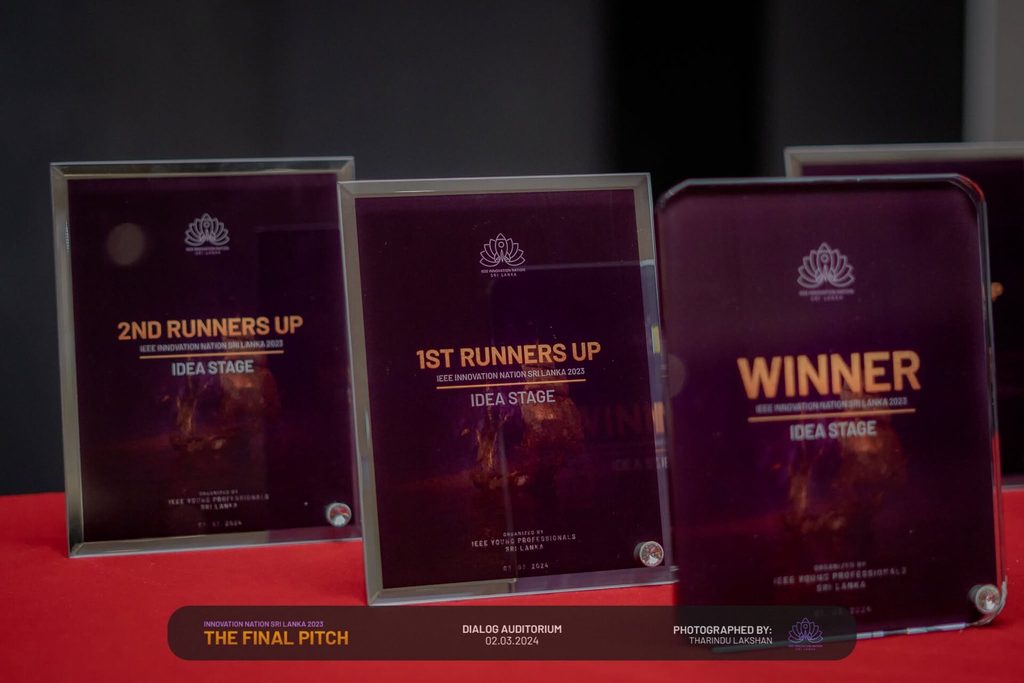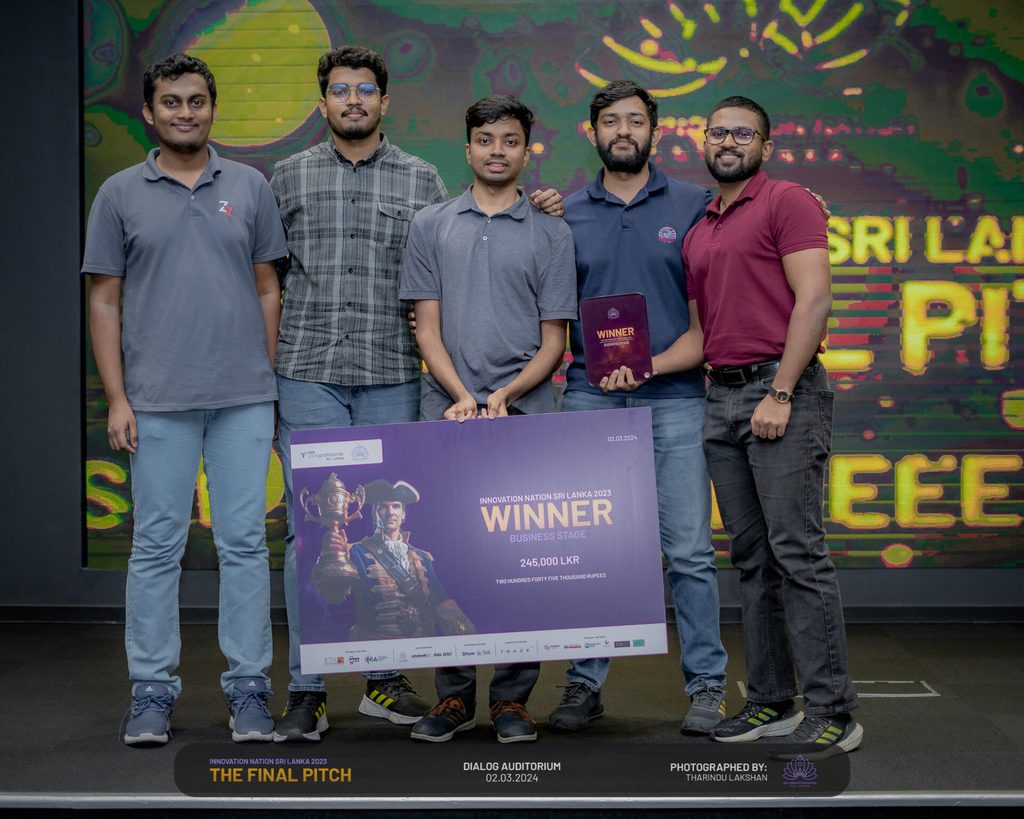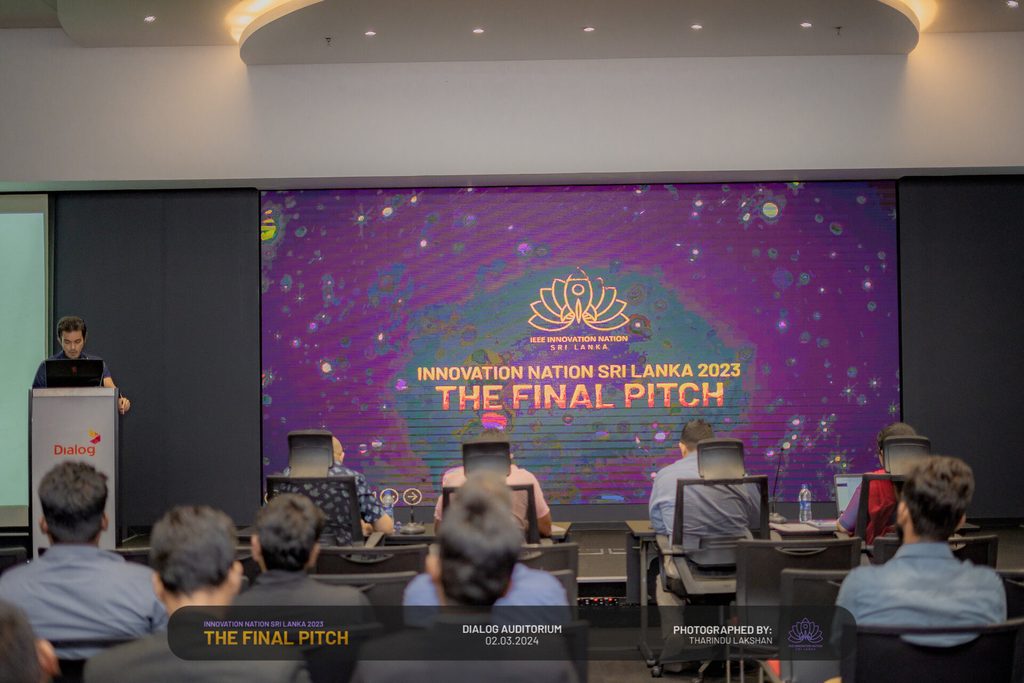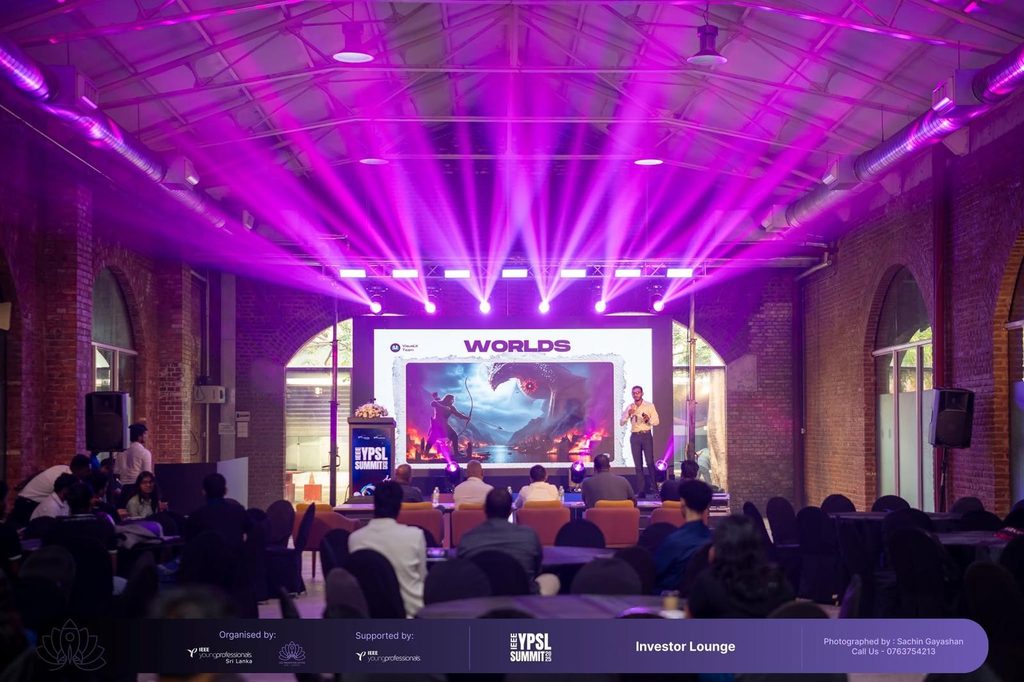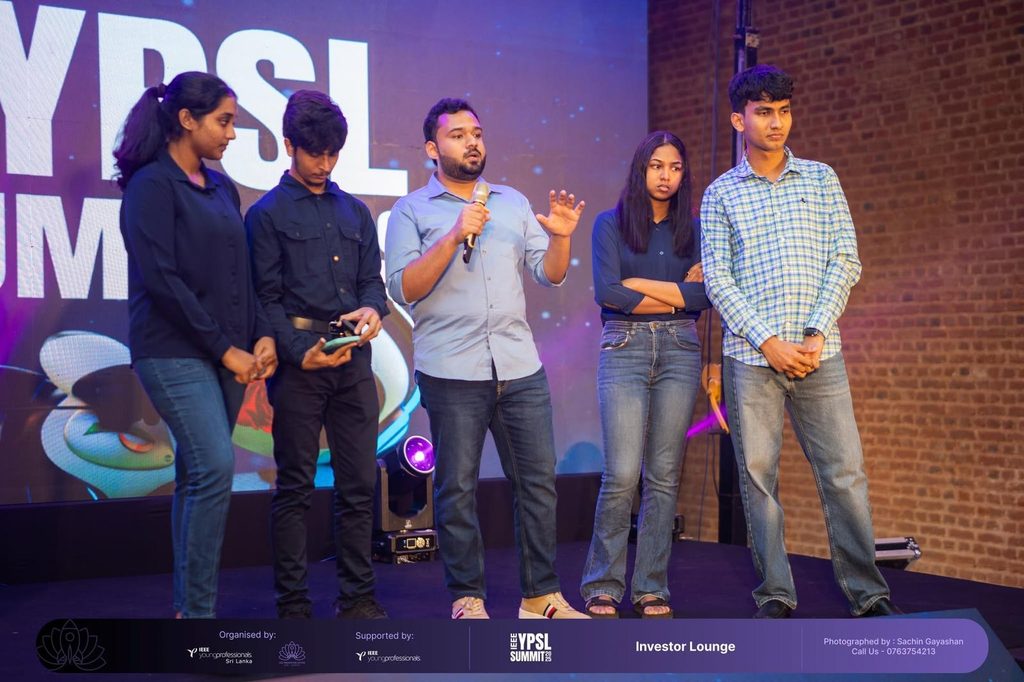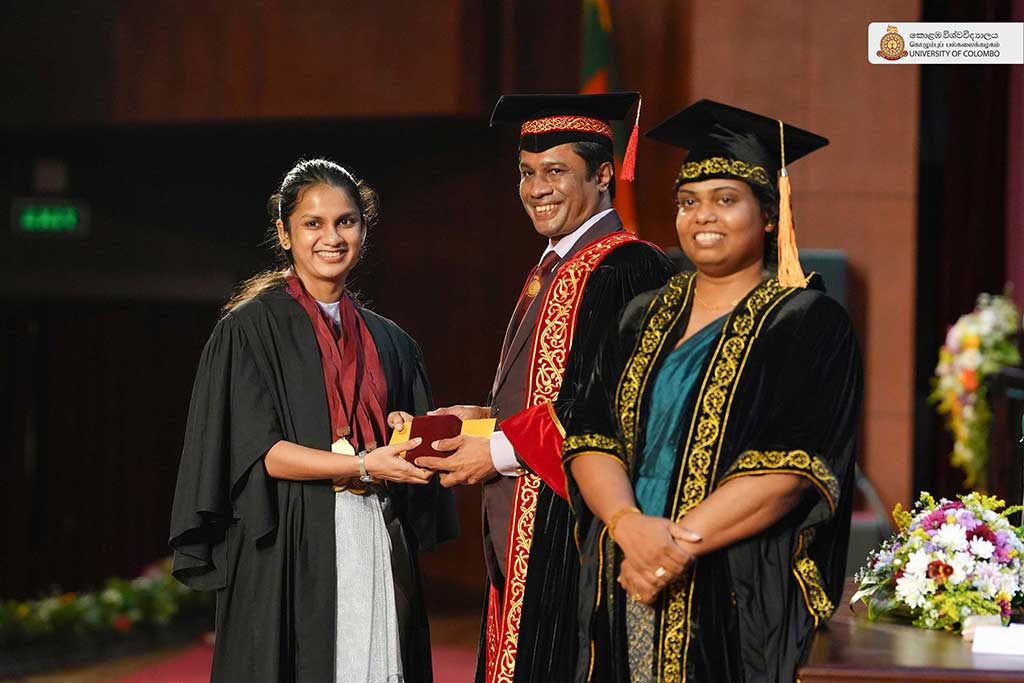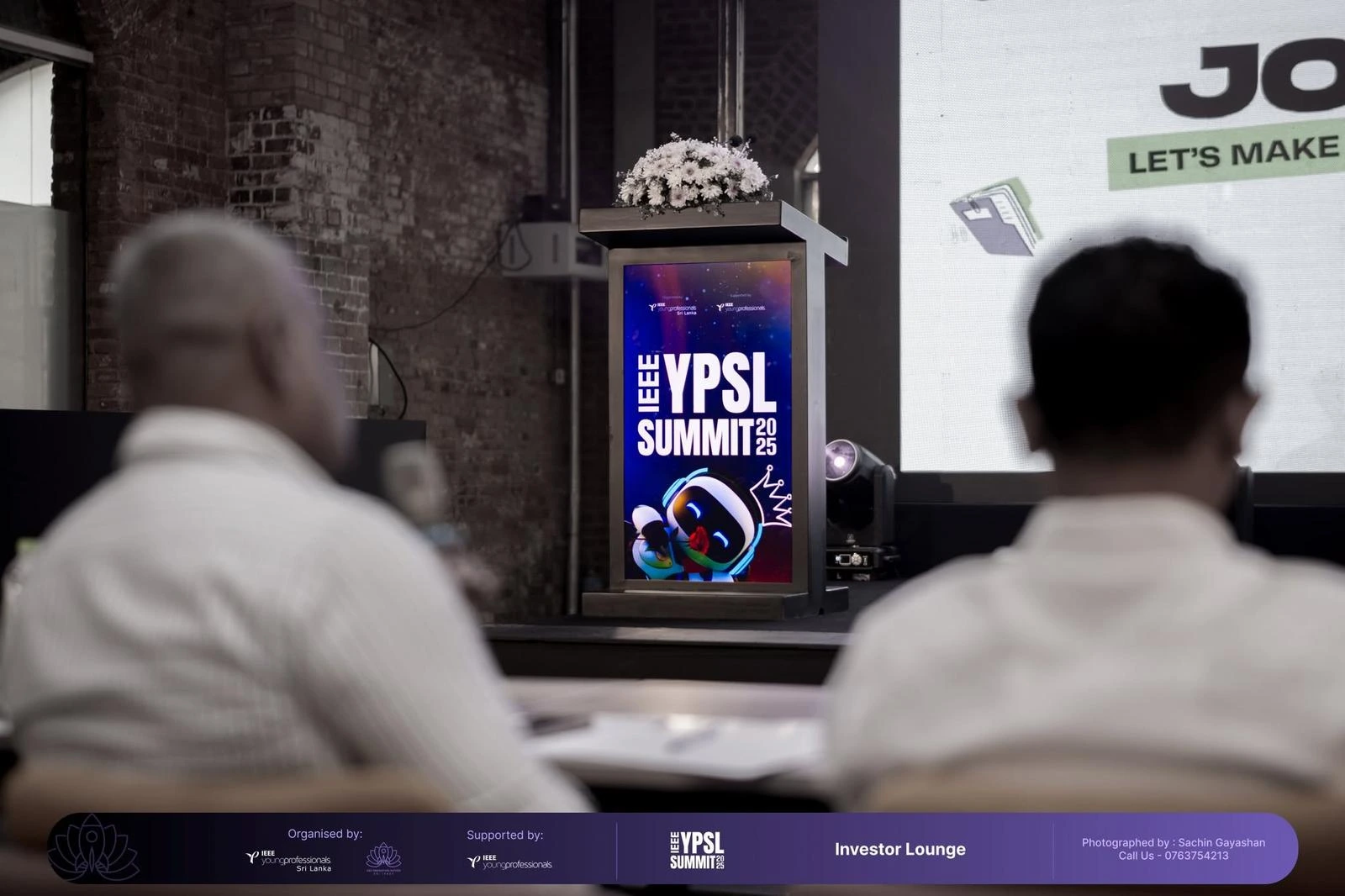
One of the key ambitions behind the IEEE Innovation Nation Sri Lanka is to introduce a fresh generation of young entrepreneurs to Sri Lanka’s startup ecosystem annually. Many university students have promising ideas but lack the industry connections, guidance and opportunities needed to develop them further. By bringing these emerging talents together with experienced entrepreneurs, mentors and investors, IEEE YPSL aims to help new faces enter the startup community and explore the potential of their ideas. The goal goes beyond selecting competition winners; it is about giving Sri Lanka’s next generation of innovators a place to begin.
IEEE Innovation Nation Sri Lanka 2026 has announced its 20 semi-finalist teams, marking another major milestone in a national entrepreneurship competition that began with 103 registrations from 23 Sri Lankan universities. Ten teams have qualified in the Idea Stage and another ten in the Business Stage, following the quarter-final rounds held from 3 to 8 October. Their next challenge is to secure a place in the December grand finale, where selected teams will have an opportunity to present their ventures before industry experts and investors. For Sri Lanka’s next generation of entrepreneurs, the competition offers something particularly valuable: a chance to find out whether an idea developed at university has the potential to work beyond it.
Organised by IEEE Young Professionals Sri Lanka, the initiative combines competitive pitching with practical entrepreneurship training, expert feedback, industry networking and mentorship. The official Innovation Nation Sri Lanka platform describes its mission as developing an innovation and entrepreneurial culture among university students. The programme provides separate pathways for early concepts and more developed business models, allowing participants to build their knowledge while advancing through the competition.
IEEE Innovation Nation Sri Lanka 2026: Meet the 20 semi-finalists
Following the October quarter-finals, the organisers announced ten qualifying teams from each competition track. The Business Stage recognises more developed startup concepts and business models, while the Idea Stage focuses on early innovations being explored and validated. Both groups will enter the November semi-finals, where the competition will narrow further. The following teams are the officially announced semi-finalists.
Business Stage – 10 Semi-Finalist Teams
| PLUTO | TEAM MIBITS |
| ZEERO G | LACTO PULSE |
| ROADEYE | SCORPIONS |
| THERMALFLOW | BLACK CAP XTREME |
| TEAM AURA | BITMASTERS |
Idea Stage – 10 Semi-Finalist Teams
| NEOSENSE | NESKI |
| PROJECT WHIMSY | APAC |
| INNOVIX | AXERGY PULSE |
| ELUVIS | PASSYN |
| TEAM NOVA | CRONICACORE |
These 20 teams have advanced through a process that evaluates more than the appeal of an initial concept. Participants must communicate the problem they are solving, explain their proposed solution and respond to questions about its commercial potential. Their selection represents an important step forward, although the final five teams in each category will only be determined during the upcoming semi-finals.
Why university-level innovation competitions matter
Universities are places where students encounter problems, explore technology and develop ideas through assignments, research and collaborative projects. Yet an idea that performs well academically does not automatically become a product, service or sustainable business. Students may understand the technical solution but have limited experience researching customers, calculating costs, finding mentors or approaching investors. Programmes such as INSL are designed to help close that gap between academic knowledge and practical entrepreneurship.
For undergraduates, the benefits extend beyond the possibility of winning a competition:
- Testing ideas: Learning whether a proposed solution addresses a genuine problem and identifying who might use it.
- Developing business knowledge: Understanding pricing, expenses, profit margins, financial projections and market demand.
- Building communication skills: Presenting complex ideas clearly and defending decisions before experienced professionals.
- Accessing industry networks: Connecting with entrepreneurs, business leaders, startup organisations and potential investors.
- Gaining practical experience: Learning through teamwork, feedback, competition and the process of improving an initial proposal.
These experiences can also benefit students who eventually choose employment, research or further study rather than launching a company. Being able to analyse a problem, collaborate with others, explain a solution and make informed commercial decisions is valuable across numerous careers. More importantly, exposure to entrepreneurship while studying can help young people recognise that creating a business is a possibility worth exploring, not something reserved for experienced professionals.
From 23 universities to a national competition
INSL 2026 began with an online awareness session on 29 April, attended by more than 120 participants. Kulunu Weerasoory, Chair of IEEE Young Professionals Sri Lanka, introduced the organisation, while Manodya Nabadavewa explained the competition roadmap and progression towards investor readiness. Registrations subsequently opened from 1 to 20 June, attracting teams from universities across the country.
| Participation milestone | Number |
| Universities represented | 23 |
| Total registered teams | 103 |
| Idea Stage registrations | 78 |
| Business Stage registrations | 25 |
| Idea Stage live zonal participants | 41 |
| Quarter-final places across both tracks | 50 |
| Announced semi-finalists | 20 |
August’s zonal competitions tested the early ideas
The Idea Stage zonal competitions took place online on 1, 2, 8 and 9 August. After Lankan Angel Network evaluated submitted proposals and pitch decks, 41 teams were selected to compete in the live rounds. Each team had three minutes to pitch and two minutes to answer questions. The top 25 teams advanced to the quarter-finals, as detailed in the official IEEE Young Professionals zonal competition report.
| Zonal category | Selected teams |
| Zone A | 11 |
| Zone B | 12 |
| Zone C | 9 |
| Zone D | 8 |
| Other Universities | 1 |
| Total | 41 |
Learning to pitch, calculate and build a business
Alongside the competitive rounds, INSL introduced workshops addressing practical challenges faced by student founders. The first major September session explored investor pitching, while the second focused on financial modelling and the economics behind running a business. A further workshop on business development followed in October. Together, these sessions supported a central aim of the competition: helping students develop ideas that can withstand practical scrutiny.
| Date | Workshop | Resource person or focus |
| 2 September | How to Pitch to Investors Like a Pro | Shaun Zelber, CEO, Beyond Technologies |
| 16 September | Mastering Unit Economics: Pricing, Margins, and Financial Modeling | Chaaminda Kumarasiri, Chairman and Principal Consultant, H C P Consulting |
| 11 October | Build the Business | Business development and startup fundamentals |
The pitching workshop attracted more than 100 participants, while the financial modelling session recorded more than 60. Participants explored how to communicate market opportunities, understand pricing, calculate margins and approach financial projections. These subjects are particularly relevant at university level, where a promising technical solution may still require considerable work before becoming a commercially realistic business.
October quarter-finals decided the semi-finalist field
The quarter-finals were conducted across four online sessions between 3 and 8 October, with 25 scheduled teams in each track. Participants received five minutes to pitch and five minutes to answer questions from the judging panels. Evaluation considered the problem, presentation, pricing and profit potential, prototype development or traction, and the quality of responses. The competition brought experienced professionals from finance, technology, business development and entrepreneurship into the assessment process.
| Date | Competition stage | No. of Teams Participated |
| 3 October | Business Stage – Phase 01 | 13 |
| 4 October | Business Stage – Phase 02 | 12 |
| 7 October | Idea Stage – Phase 01 | 13 |
| 8 October | Idea Stage – Phase 02 | 12 |
The judging panels included Uthayakumar Nadarajah, Sonia Chinnaiyah, Kasuni Wickremaratne, Asel Gunawardana, Ainharan Vivekananthan and Thamuditha Geeth for the Business Stage. The Idea Stage panels comprised Rifas Raseek, Rushdi Hadhi, Shashimal Mudalige, Nilan Meegoda, Achala Weerasooriya and Sameera Abeysinghe. Following these rounds, the organisers announced the 20 teams now progressing to the semi-finals.
Industry partnerships supporting young innovators
The competition is supported by organisations contributing investment connections, industry knowledge, regional engagement and media outreach. Their participation matters because student innovators often need access to professional networks beyond their own universities. INSL brings these different elements into a structured national programme.
| Partnership | Organisation |
| Investment Partner | Lankan Angel Network |
| Knowledge and Innovation Partner | SLASSCOM |
| Knowledge Partner | Generation Alpha |
| Digital Media Partner | Startup Sri Lanka |
| Digital Outreach Partners | Vyapara.lk and YoungThare |
| Regional Partners | Central Startup Hub, Uwa Startup Hub and Wayamba Startup Hub |
Regional involvement is especially relevant to a competition representing 23 universities across Sri Lanka. Opportunities to explore entrepreneurship should not depend entirely on a student’s proximity to established business networks. Through its partnership structure, INSL aims to connect more young innovators with the resources and experience needed to strengthen their ideas.
What happens next?
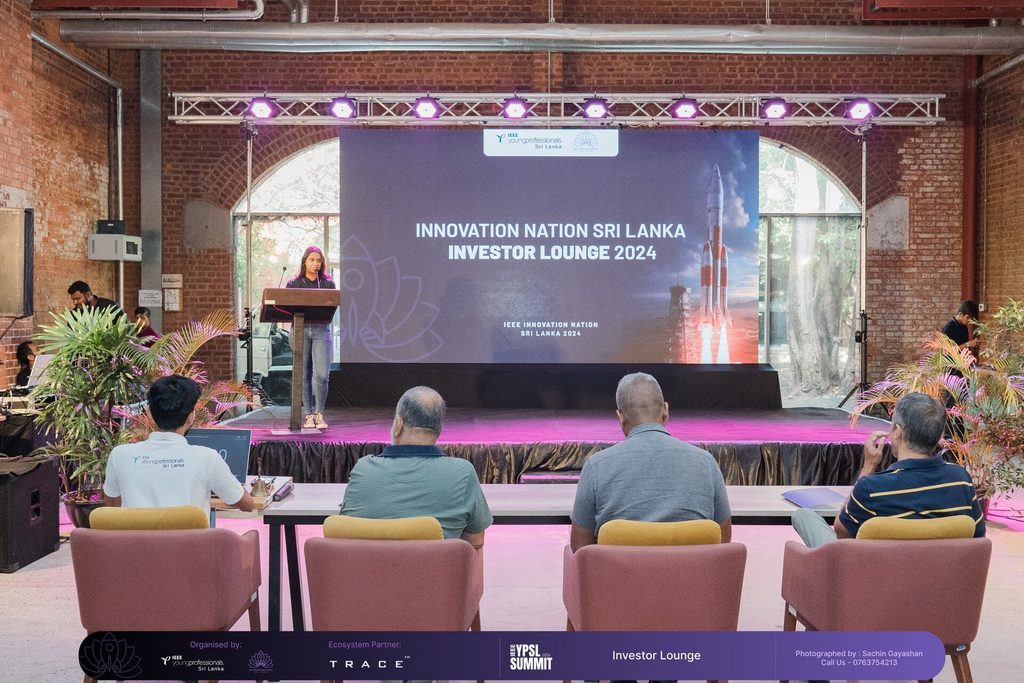
The newly announced semi-finalists will continue preparing for the remaining competition stages. The next scheduled workshop will focus on entering markets and reaching customers, followed by the November semi-finals and the December grand finale. According to the official INSL competition timeline, the programme will conclude with an Investor Lounge, creating an opportunity for finalists to present before industry professionals and investors.
| Date | Upcoming event |
| 25 October 2026 | Workshop 04: Go-to-Market |
| November 2026 | Semi-finals featuring 10 teams from each track |
| December 2026 | Grand Finals and Investor Lounge |
| Finalist preparation | Planned individual mentorship for each of the 10 finalists |
Five teams from the Idea Stage and five from the Business Stage are expected to qualify for the final round. Each finalist team is planned to receive mentorship to strengthen its concept and prepare for the final presentation. The next stages will therefore test both the progress teams have made and their ability to communicate the commercial potential of their solutions.
The bigger opportunity for Sri Lanka’s university generation
The announcement of 20 semi-finalists is an achievement worth celebrating, but the value of INSL 2026 reaches beyond the teams that ultimately receive awards. For participating undergraduates, the programme provides exposure to the decisions, questions and responsibilities involved in developing a startup. For Sri Lanka’s university community, it offers an example of how academic talent can be connected with entrepreneurship, industry knowledge and opportunities for practical innovation.
A university project may begin with a problem identified during a lecture or an idea discussed among friends. Programmes like this give students a structured opportunity to test whether that idea deserves a future beyond the classroom. With 20 semi-finalists now preparing for the next round, the coming weeks will reveal which teams are ready to take that opportunity further.
YoungThare, as a Digital Outreach Partner of IEEE Innovation Nation Sri Lanka 2026, congratulates all 20 semi-finalist teams and looks forward to following their progress. Readers can find programme information through the official INSL website, watch the INSL 2026 video and follow further announcements through the INSL 2026 official channels.